
Iranian security forces have expanded their presence across Tehran and other major cities, deploying motorcycle patrols, checkpoints and personnel in key urban areas as authorities prepare for possible unrest, according to multiple sources inside Iran who spoke to News Outlet.
The security surge coincides with the return of university students to Tehran’s streets. Videos published by Iran International show demonstrations over compulsory hijab rules, rising education expenses and political repression.
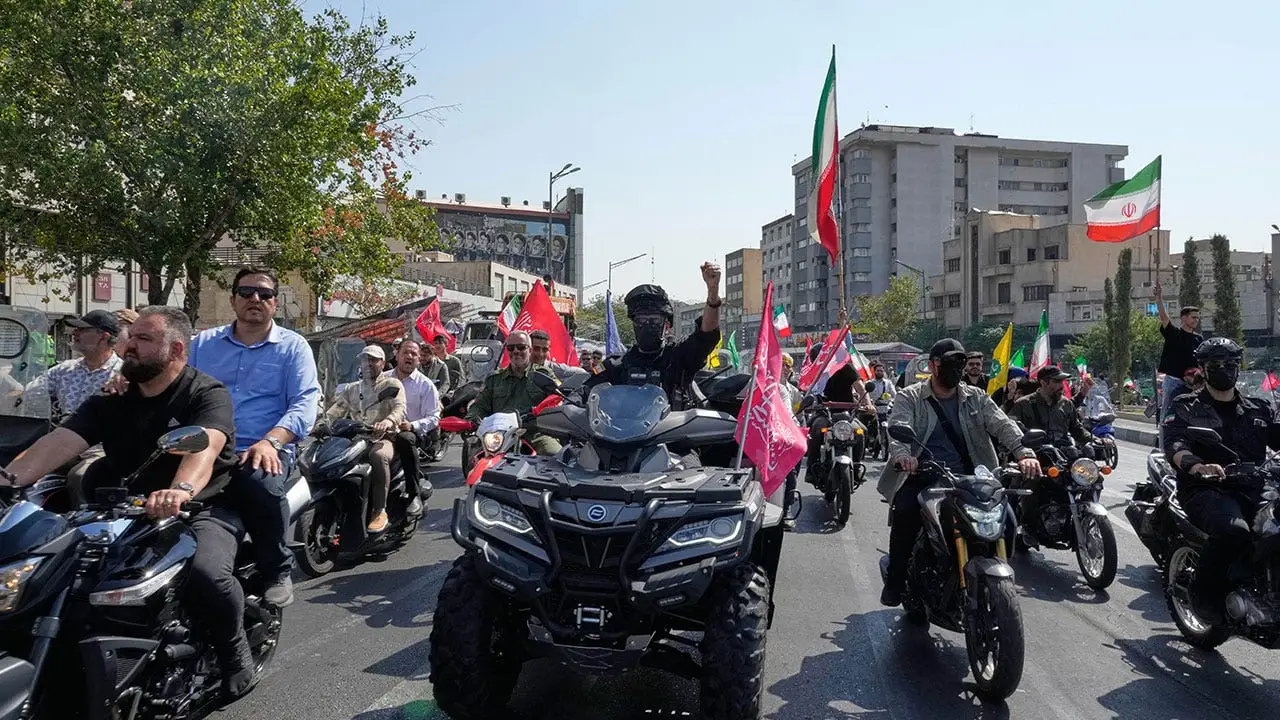
Sources inside Iran told News Outlet that motorcycle units have been patrolling Tehran and other cities during events linked to Iran’s annual “Sacred Defense Week.” Members of the Islamic Revolutionary Guard Corps, the Basij paramilitary force and law enforcement have also been stationed at major squares and other strategic locations.
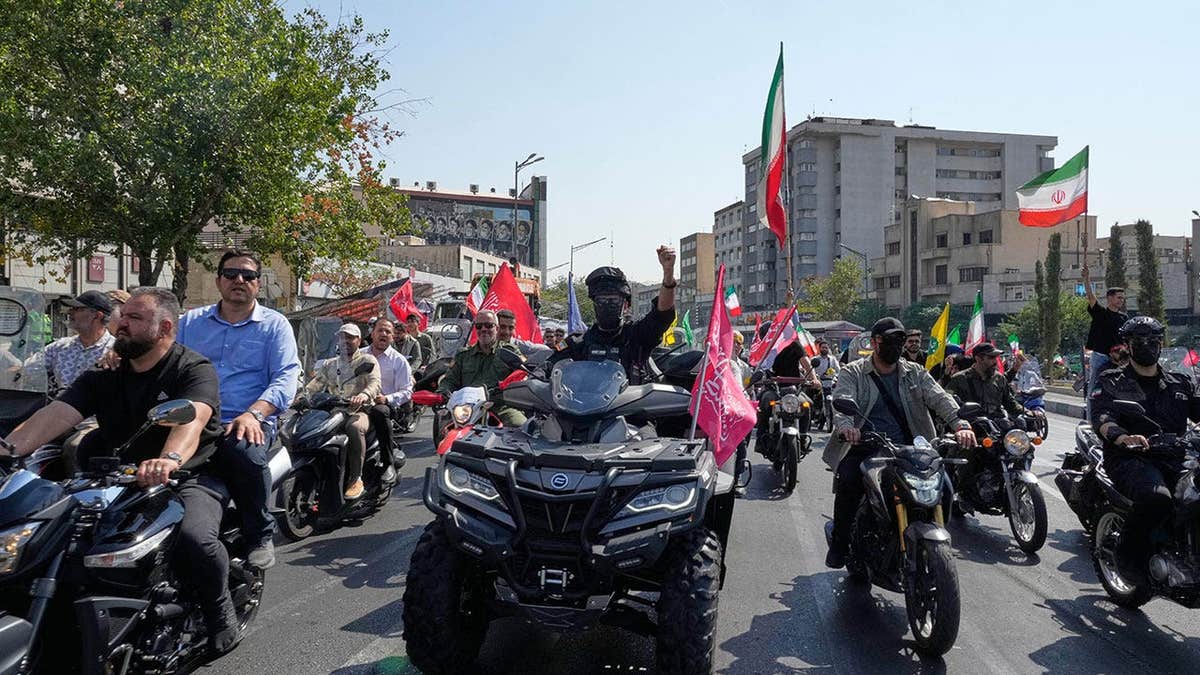
Motorcyclists ride during a state-organized motorcycle parade called “Janfada,” meaning “Sacrifice for Iran,” in Tehran, Iran, Friday, Sept. 25, 2026. (Vahid Salemi/AP Photo)
The sources said security personnel were stopping pedestrians, searching some people and inspecting mobile phones for material authorities might classify as “anti-regime.”
The reports follow allegations from the National Council of Resistance of Iran’s Committee on Security and Counterterrorism that authorities ordered the Army, IRGC, Basij and law enforcement to maintain “100%” readiness and canceled leave through Sept. 27. The NCRI claimed that 51,000 personnel had been deployed throughout Greater Tehran, including 30,000 IRGC and Basij members and 21,000 law enforcement officers. The reported preparations come as signs of renewed unrest emerge on university campuses. News Outlet has not independently verified the claims.
One Tehran source told News Outlet that the heightened security operation extends well beyond the forces visible on city streets.
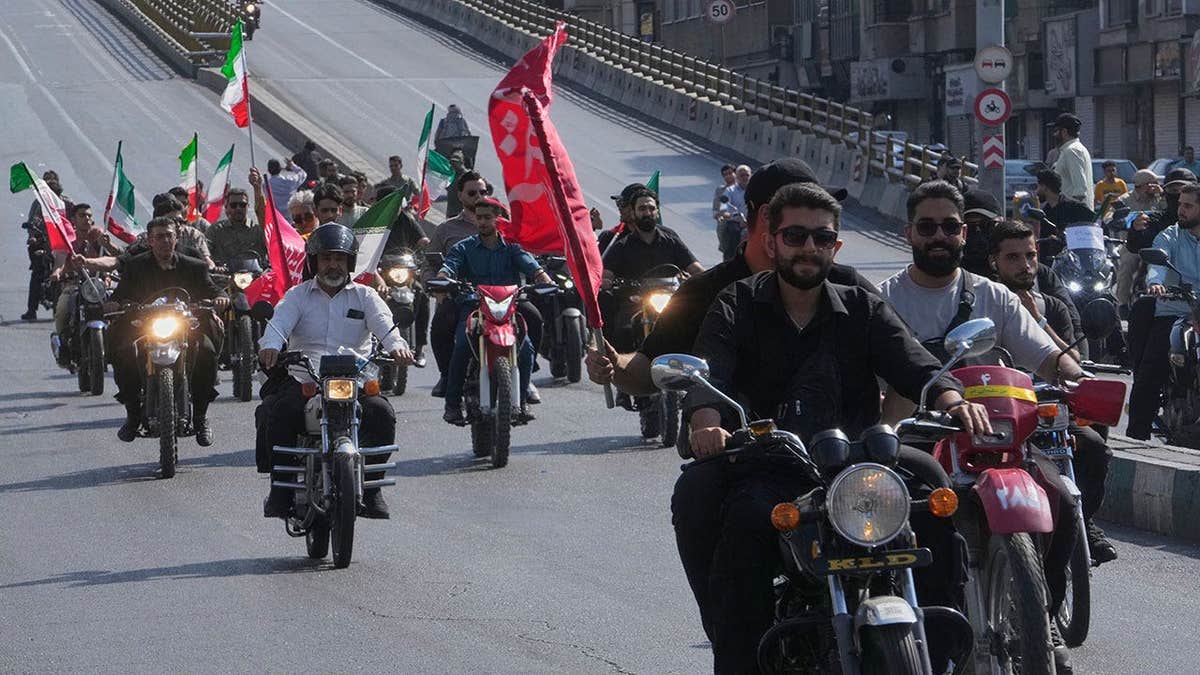
Motorcyclists ride during a state-organized motorcycle parade called “Janfada,” meaning “Sacrifice for Iran,”in Tehran, Iran, Friday, Sept. 25, 2026. (Vahid Salemi/AP)
“Motorcyclists are photographing shops, while prisoners are being threatened and pressured to tell their families not to take part in any protests that may develop,” the source said.
The source said Basij members with previous military training had been placed on alert and were being housed or gathered at schools, other educational facilities and large properties on Tehran’s outskirts.
The measures extend beyond the capital. “This situation exists in all cities, but the nature of the presence and the way things are organized differ,” the source said, citing information from Borujen, Isfahan and other locations.
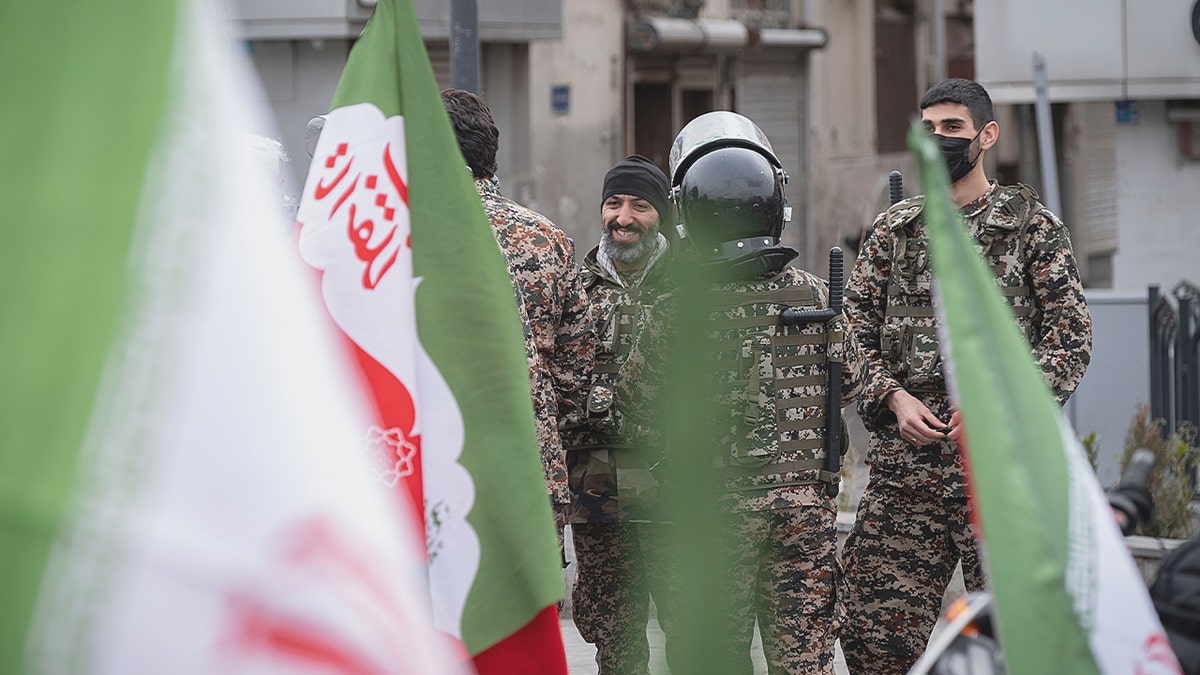
Military members of the Islamic Revolutionary Guard Corps (IRGC) in western Tehran, Iran. (Morteza Nikoubazl/NurPhoto via Getty Images)
EXPLORE MORE: American Idol Alum Caleb Flynn Convicted of Wife’s Murder
The source said plainclothes agents were more common in smaller cities and generally tried to avoid public attention. In Tehran, however, security personnel were appearing openly in military uniforms and equipment, apparently to intimidate residents. The source also said leave had been canceled in smaller cities and that shops, telephone communications and daily activities were facing increased surveillance.
Iranian journalist Mehdi Ghadimi, who now lives outside Iran after years of opposition activity, told News Outlet separately that he had received similar accounts.
“I’ve received reports of new checkpoints being established in Tehran, along with reports that military forces have been placed on alert and that civilians previously trained by the regime for urban repression are being called up,” Ghadimi said. He added that some people were being detained on espionage charges solely because they communicated with individuals outside Iran.
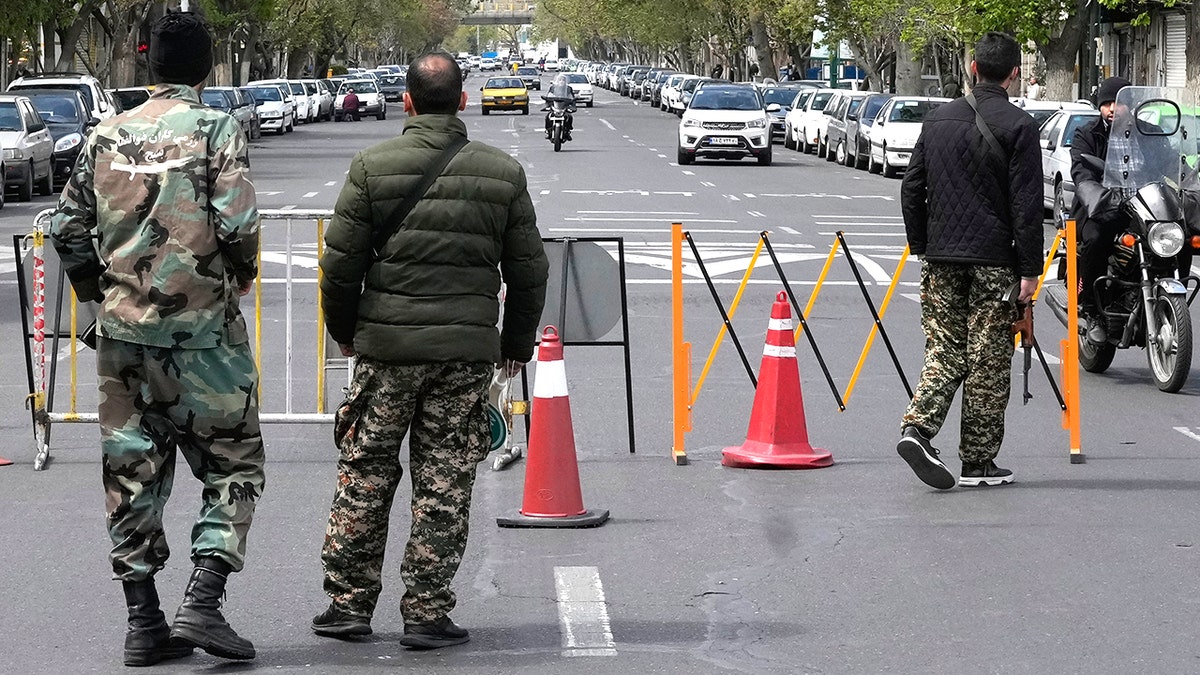
Members of the Basij paramilitary force stand at a checkpoint in Tehran, Iran, Sunday, March 29, 2026. (Vahid Salemi/AP Photo)
Ghadimi also said he had received reports that people with serious criminal records were being released from prison on the condition that they report to local Basij bases and help suppress demonstrations.
Students at Tehran’s Allameh Tabataba’i University protested Monday against compulsory hijab rules, rising tuition and campus living conditions, according to videos reported by Iran International on Sept. 28 and 29. The footage showed students chanting against the morality police and political repression.
Iran International reported that the demonstration began with complaints about tuition, dormitory expenses and food prices before broadening into political protests. Citing the student publication Amirkabir, the outlet said Basij members tried to break up the gathering and threatened students.
The campus protests also come as pressure mounts over compulsory hijab enforcement at Iranian universities. Iran International reported on Sept. 8 that a senior official in the office representing Iran’s supreme leader at universities said a new mandatory-hijab directive had been drafted and was expected to be issued by the ministries responsible for higher education.
Separately, the IRGC escalated its rhetoric toward Washington on Tuesday, with spokesman Hossein Mohebbi calling on Americans to pressure President Donald Trump’s administration. “This lying administration must be changed,” Mohebbi said at a Tehran press conference, according to Reuters video distributed Sept. 29.
His remarks came as U.S. and Iranian officials continued indirect contacts through mediators in an effort to end the seven-month conflict, Reuters reported.
The combination of visible security preparations and renewed demonstrations is fueling speculation among Iranians about whether the country could face another broader wave of unrest.
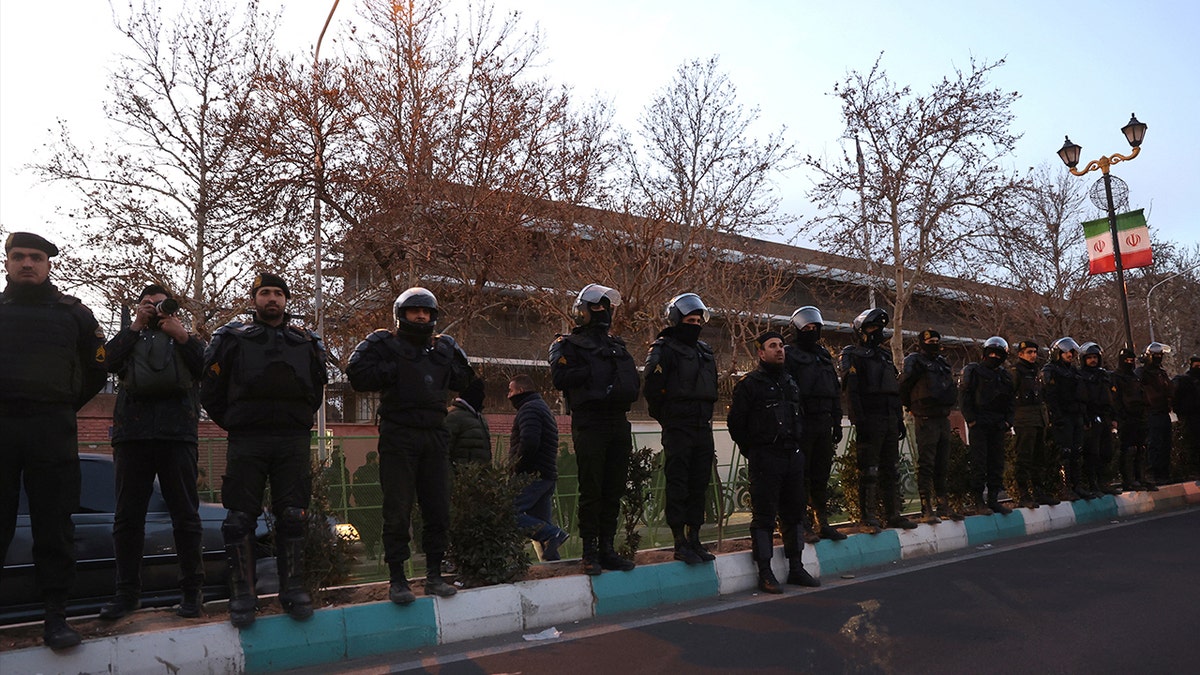
Members of the Iranian police stand guard at a protest in front of the British embassy following anti-government protests in Tehran, Iran, January 14, 2026. (Majid Asgaripour/WANA (West Asia News Agency) via)
“The reality is that nobody knows what’s going to happen,” Ghadimi told News Outlet. “Everyone I talk to says that this situation cannot continue and that, somehow, it has to come to an end.”