
The U.S. military has completed the withdrawal of American troops and equipment from Erbil Air Base in Iraq, bringing the U.S. role in Operation Inherent Resolve to an end there, U.S. Central Command announced Wednesday.
The departure marks the close of the Iraq phase of the U.S.-led military campaign launched against ISIS in 2014 and transfers primary responsibility for Iraq’s security to the country’s own forces. The wider fight against ISIS will continue, however. The U.S.-led task force has moved its headquarters to Jordan, while counterterrorism operations remain active in Syria.
“Job well done to the tens of thousands of American service members, diplomats, and civilian personnel who answered the call in Iraq,” CENTCOM Commander Admiral Brad Cooper said.
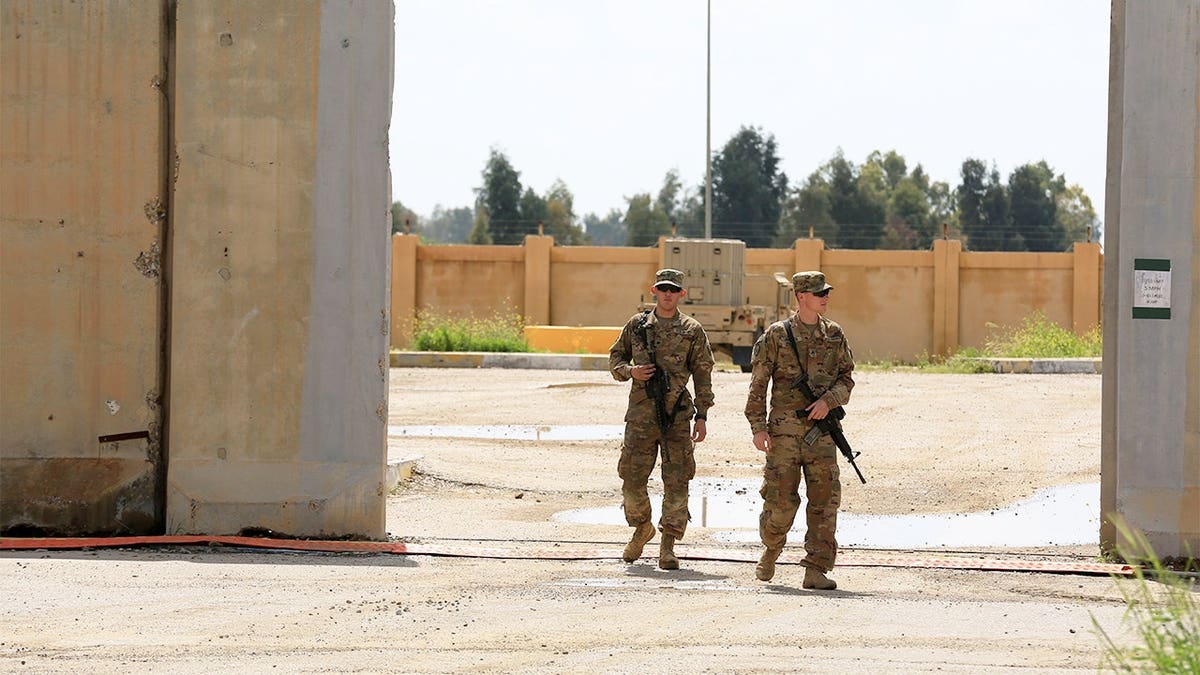
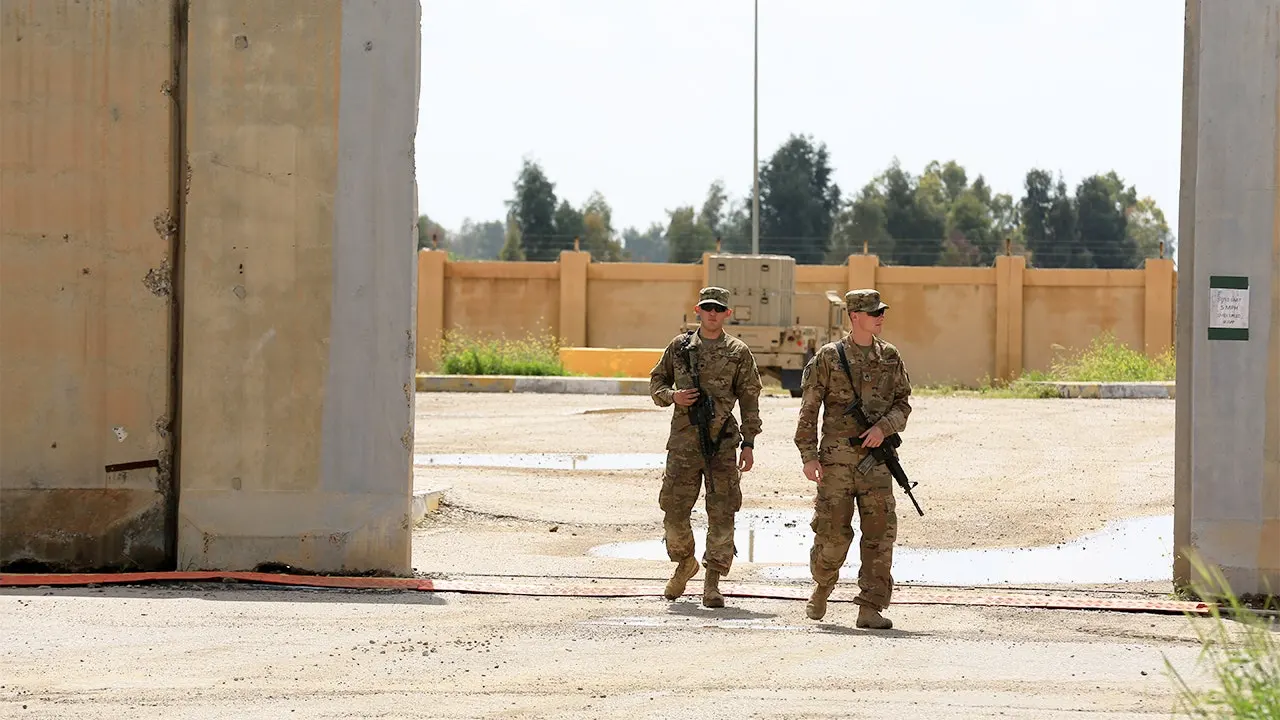
Soldiers from the U.S.-led coalition forces are seen during the handover of the K1 Air Base to the Iraqi Army from the U.S.-led coalition in Kirkuk, Iraq on March 29, 2020. (The Associated Press)
“Because of your grit, sacrifice and professionalism, ISIS no longer poses a systemic threat to Iraq’s national security and Iraqi security forces, including the Peshmerga and other Iraqi Kurdistan Region security forces, now possess the capacity, leadership, and operational independence to unilaterally manage threats to their homeland,” Cooper said.
Chief Pentagon spokesman Sean Parnell described the withdrawal as the formal conclusion of Operation Inherent Resolve in Iraq. He said the mission was shifting “from a wartime coalition mission to an Iraqi-led security effort supported by a more normal bilateral security relationship.”
Even after the withdrawal, the Pentagon said the United States would continue offering Iraqi forces targeted training and intelligence assistance. Iraqi security forces, including the Peshmerga, will assume the lead in containing remaining ISIS fighters.
Located in northern Iraq, Erbil Air Base was the principal operating hub for Combined Joint Task Force — Operation Inherent Resolve. According to CENTCOM, it housed most of the approximately 1,500 American and coalition personnel involved in counter-ISIS operations.
The United States and its coalition partners began withdrawing from federal Iraq last October as Washington and Baghdad worked toward a bilateral defense partnership. The final personnel and equipment left Erbil on Sept. 30, completing the transition. The move followed an agreement reached by Washington and Baghdad under the Biden administration in 2024 and continued under the Trump administration.
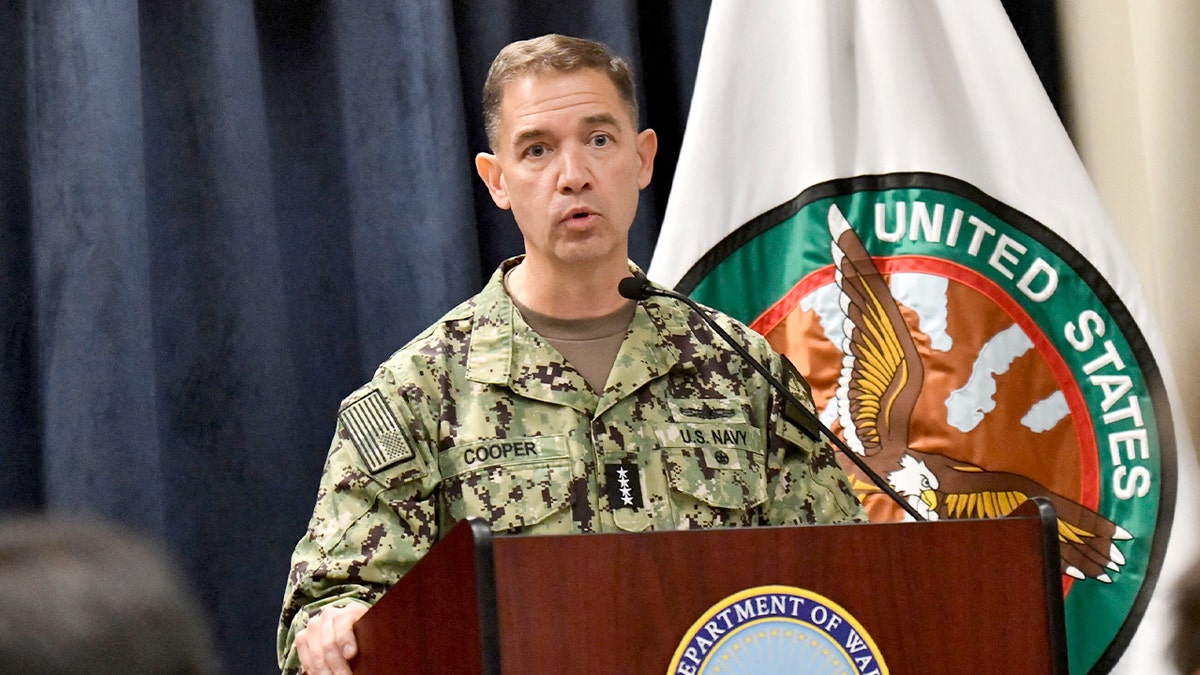
Admiral Charles Bradford “Brad” Cooper II, commander of U.S. Central Command, speaks during a joint press conference at CENTCOM headquarters at MacDill Air Force Base in Tampa, Florida, on March 5, 2026. (Octavio Jones/AFP via Getty Images)
Combined Joint Task Force — Operation Inherent Resolve remains active, with its headquarters now based in Jordan, CENTCOM said. U.S. troops are also continuing counter-ISIS missions in Syria alongside coalition partners and the Syrian government.
About 4,000 U.S. troops are stationed in Jordan, where American forces will continue tracking the ISIS threat. Muwaffaq Salti Air Base hosts U.S. combat aircraft and has also become a target amid the conflict with Iran. An Iranian attack on the base in July killed three U.S. service members.
“As we step back and hand full primary responsibility for Iraq’s security to the Government of Iraq and the brave people of Iraq, U.S. and coalition forces stationed across the region will remain ready to respond to any ISIS threats that arise,” Cooper said.
CONTINUE READING: King Charles Urged to Strip Harry and Meghan of Sussex Titles
“Maintaining our vigilance and readiness is essential to protecting the U.S. homeland and strengthening regional security,” he added.
The withdrawal brings to a close the U.S. military presence in Iraq that was reestablished in 2014, when Iraqi authorities appealed for international help after ISIS seized broad swaths of the country. American forces had previously withdrawn in 2011, following the 2003 invasion that ousted Saddam Hussein.
With U.S. forces leaving by Sept. 30 and as Baghdad tries to rein in Iran-backed militias, Iraq could also be entering its most dangerous period since ISIS seized Mosul in 2014. (REUTERS/Mohammed Ameen)
For several years, approximately 2,500 U.S. troops were based in Iraq. Most left last year, while several hundred remained in the northern Kurdish region until the final withdrawal from Erbil.
The U.S. exit comes as Iraq confronts another security threat: powerful Iran-backed militias operating within the country. Baghdad has attempted to place weapons controlled by non-state groups under government authority, but some of the most powerful militias have refused to disarm.
The Pentagon specifically cited those militias among the security challenges Iraq’s government will now have to address.
“The primary responsibility for addressing Iraq’s remaining security challenges, including ISIS remnants and Iran-aligned militias that undermine Iraqi sovereignty and regional stability, now rests with the Government of Iraq,” Parnell said.
The withdrawal also reduces the number of U.S. military targets inside Iraq after American forces there faced repeated attacks by Iran-aligned groups following Hamas’ Oct. 7, 2023, attack on Israel. During this year’s war with Iran, seven of the 18 U.S. service members killed in Iranian attacks were killed in Iraq, according to Fox News reporting.
The withdrawal has drawn sharply different reactions inside Iraq. Iran-aligned groups celebrated the U.S. departure, while officials in the country’s Kurdish region have raised concerns about the loss of American air-defense capabilities amid drone and missile threats.
Kurdish officials say their region has faced more than 1,000 Iranian drone and ballistic missile attacks since the war with Iran began Feb. 28, adding to concerns over the removal of U.S. forces and air-defense capabilities.
Thousands of ISIS fighters also remain in Iraq and Syria despite the collapse of the terror group’s organized military threat. The Iraqi government has said its forces will continue operations against ISIS, while the Pentagon said the U.S. remains committed to preventing the group from reconstituting from Iraqi territory.
CENTCOM said U.S. and coalition forces elsewhere in the region will remain prepared to respond if ISIS again poses a threat.
“The United States supports a strong sovereign Iraq that secures its borders, protects its people, and serves as the foundation for deeper commercial, diplomatic, and security cooperation between our two countries,” Parnell said.