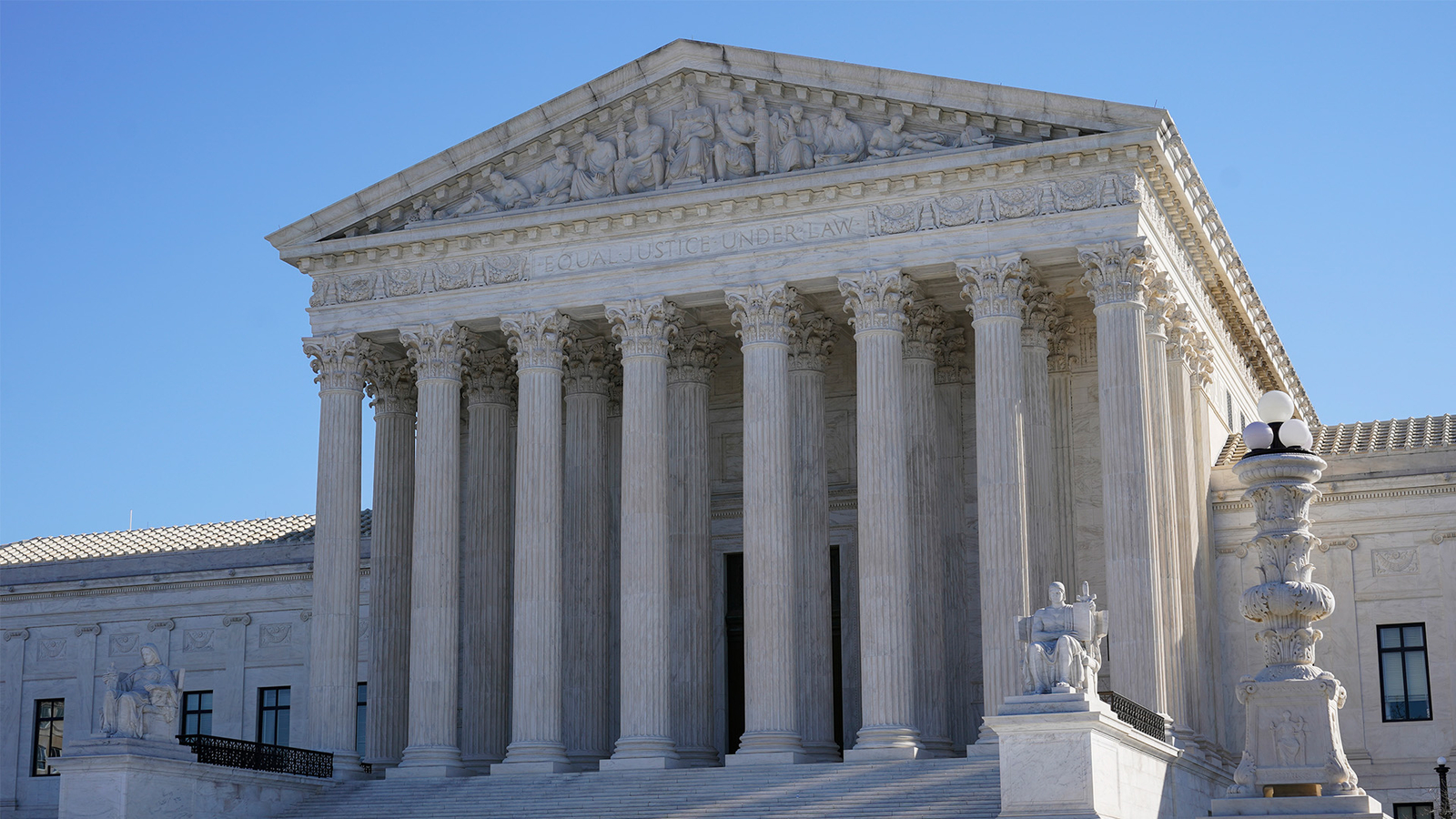

The Trump administration may continue deporting migrants to third countries without giving them advance notice after the Supreme Court on Tuesday put a lower court ruling blocking the policy on hold.
By granting the government’s request for a stay, the justices temporarily cleared federal officials to carry out expedited third-country removals. The Supreme Court also agreed to hear oral arguments in the case in December.
Justices Sonia Sotomayor, Elena Kagan and Ketanji Brown Jackson dissented from the decision.
Earlier this month, a three-judge panel of the First Circuit found that immigrants were not receiving sufficient notice before being deported to countries where they had no ties or established connections.
“An individual’s right to contest removal to a country based on a fear of persecution in that country means little if one does not receive prior notice of the intended removal destination and a meaningful opportunity to contest that destination,” Circuit Judge Seth Aframe wrote.
Roughly 25,000 people have been deported to so-called third countries during the Trump administration’s continuing immigration crackdown, according to immigrant rights groups Human Rights First and Refugees International.
MUST READ: Democrat Faces Fallout After Jeffrey Epstein Relationship Is Exposed
Third-country removals are not unprecedented, immigration attorneys and advocates say, but they have historically been uncommon. In recent months, however, the Trump administration has expanded the practice after establishing formal agreements with nearly three dozen countries to accept asylum seekers, refugees and migrants with criminal records, often with little or no advance warning.
Trina Realmuto, the attorney who sued the Trump administration over the deportation policy, said the Supreme Court’s Tuesday order was “a devastating result for people who may be put on a plane before they ever have notice or an opportunity to raise a fear claim.”
“But today’s order does not decide whether the administration’s third-country removal policy is lawful,” Realmuto told ABC News. “The Court has agreed to hear that question, including whether the policy violates the statute, due process, and the protections against torture.”
ABC News previously spoke with a group of Latin American men who had been deported to the Central African Republic. The men said they were not told where they were being taken until several hours after the flight had begun.
“I feel kidnapped,” one of the men, Aristides Fernandez Garcia, said. “They have violated all the rights that exist in life, because we are human beings.”
Copyright © 2026 ABC News Internet Ventures.