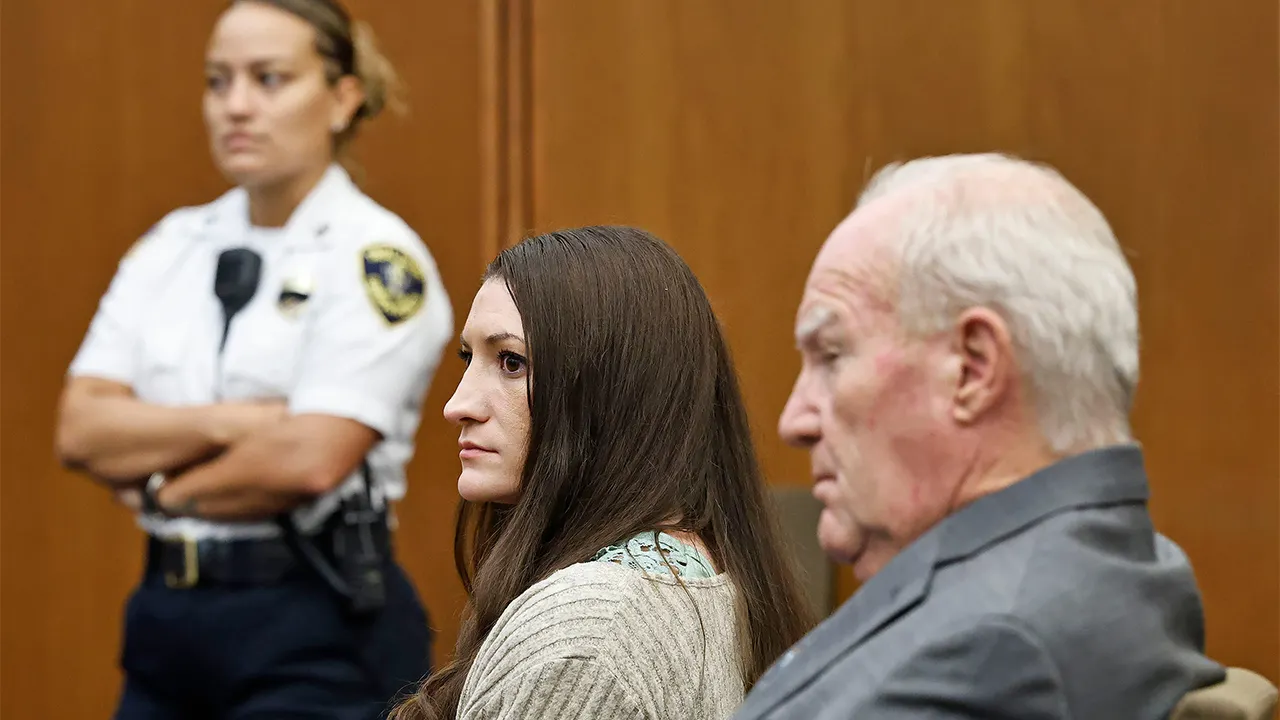

PLYMOUTH, Mass. — Lindsay Clancy’s defense attorney appeared to take a new approach in court Tuesday, legal analysts said, moving beyond his trial argument that Clancy was not criminally responsible because she was experiencing postpartum psychosis.
“Where is the evidence that she did this?” attorney Kevin Reddington asked Judge William Sullivan. “Where is the evidence she did this?”
Reddington made the claim while urging Sullivan to issue a not-guilty ruling after the jury failed to reach a unanimous verdict.
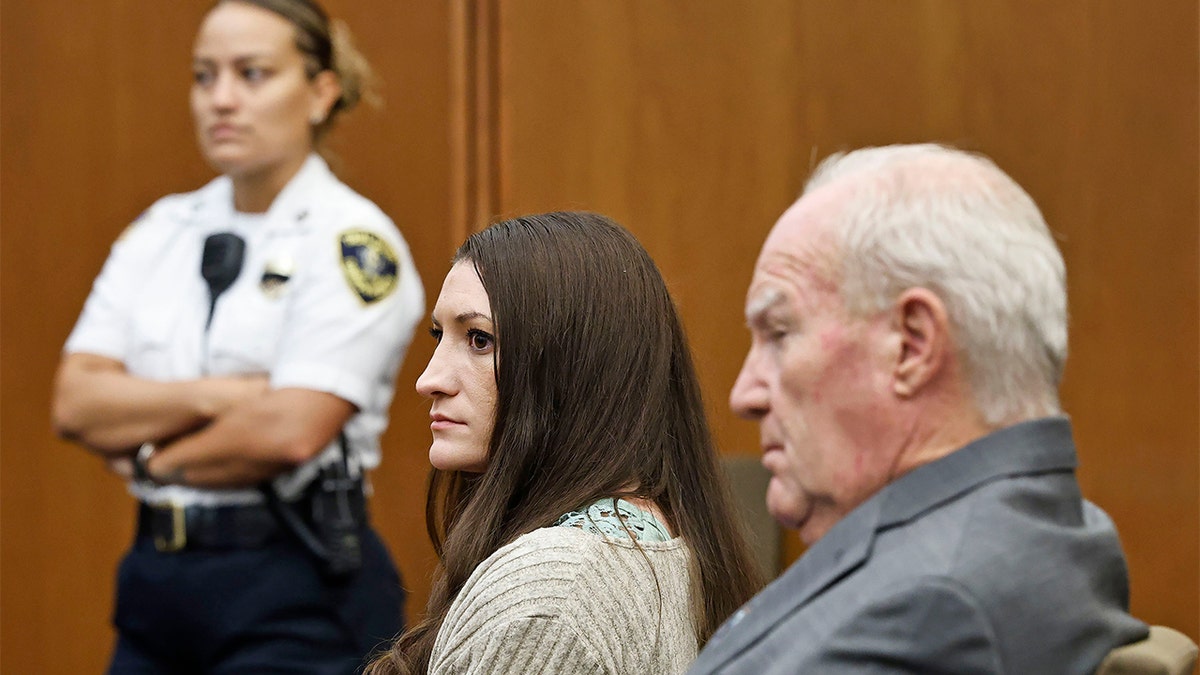
Lindsay Clancy watches the jurors as Judge Sullivan tells them to begin a sixth day of deliberations. The jury resumed deliberations Thursday, Sept. 3, 2026. (Greg Derr/The Patriot Ledger)
“I submit to the court that there is no evidence she made any statements concerning the actual killing of the children, which is the conduct underlying these indictments,” Reddington said.
Plymouth County prosecutors dismissed the argument as “laughable.” Still, the remarks represented a notable departure from Reddington’s earlier presentation of the case.
WATCH: Kevin Reddington spends 8 minutes, 27 seconds attacking the allegation that Lindsay Clancy killed her kids
He cited what he characterized as weaknesses in the physical evidence, including questions about blood, DNA, the timeline and the circumstances of Clancy’s suicide attempt, which resulted in paralysis.
“For the first time, we heard Kevin Reddington argue that reasonable doubt exists over whether Lindsay Clancy actually killed her children,” said former federal prosecutor Neama Rahmani, who has closely tracked the proceedings. “He has never made that argument in court or publicly. In fact, at the start of the first trial, he offered to stipulate that Lindsay killed all three children.”

Callan, Dawson and Cora Clancy were killed at their Duxbury, Massachusetts, home in January 2023. (Lindsay Marie Clancy/Facebook)
Sullivan declared a mistrial on Sept. 4 after the jurors remained divided following approximately a week of deliberations. Several jurors have since spoken publicly, describing an 11-1 split in which only one man supported a murder conviction.
The other 11 jurors backed Reddington’s defense that Clancy should be found not guilty because of mental illness or a mental defect. He maintained that postpartum psychosis left her not criminally responsible for strangling her children with exercise bands.
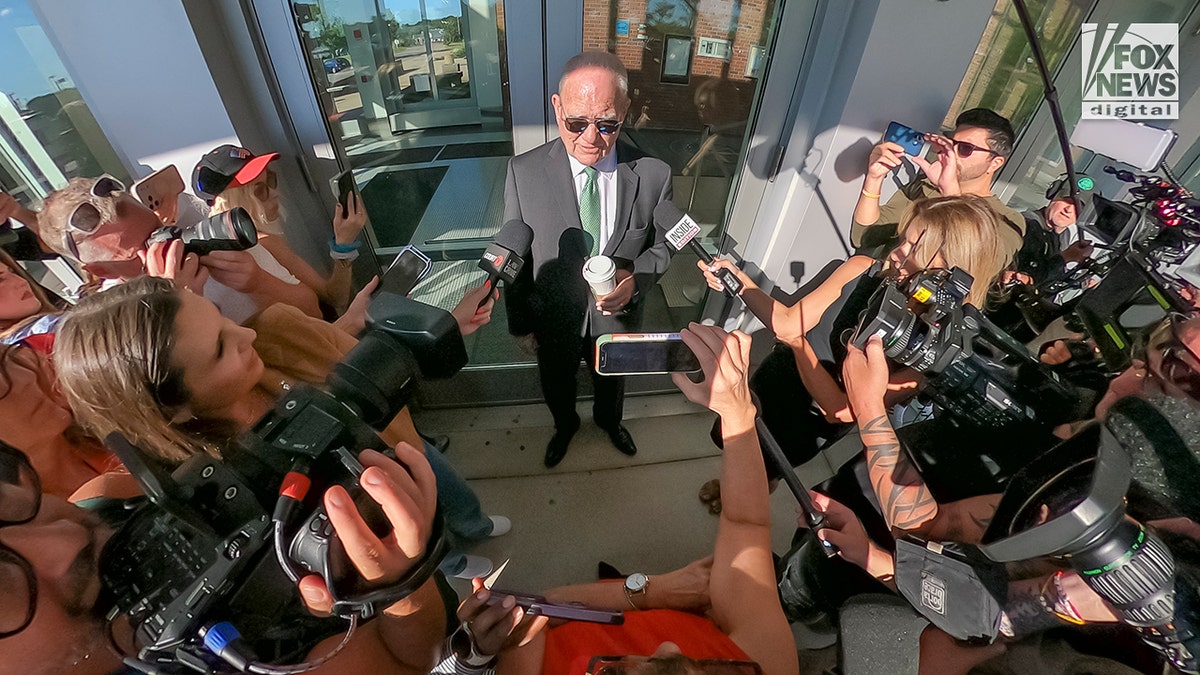
Defense attorney Kevin J. Reddington speaks with reporters outside Plymouth Superior Court on Wednesday, Aug. 26, 2026. Lindsay Clancy is charged in the January 2023 deaths of her three children. (David McGlynn for News Outlet)
The lone juror who favored conviction was labeled an “obstructionist” by Reddington, first when the attorney was approached by News Outlet last week and again outside the courthouse Tuesday. During the hearing, Reddington also questioned the strength of the prosecution’s case and the police investigation that followed the discovery of Clancy in her backyard with injuries that left her paralyzed.
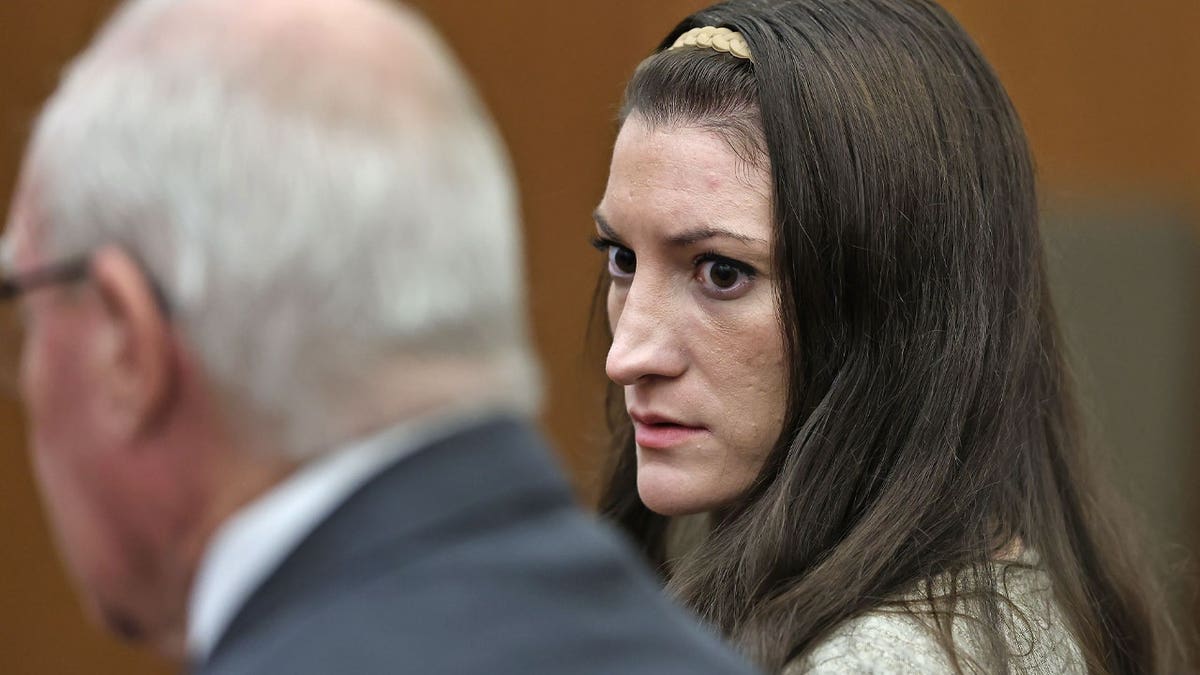
Lindsay Clancy is shown at Plymouth County Superior Court. (Pool)
“This could simply be a defense attorney denying every allegation and taking a kitchen-sink approach, hoping one argument connects with Judge Sullivan,” Rahmani said. “But it could also signal a change in strategy. At a retrial, the defense might continue to argue insanity or a lack of criminal responsibility while also pursuing third-party culpability — suggesting that someone else was responsible for the killings.”
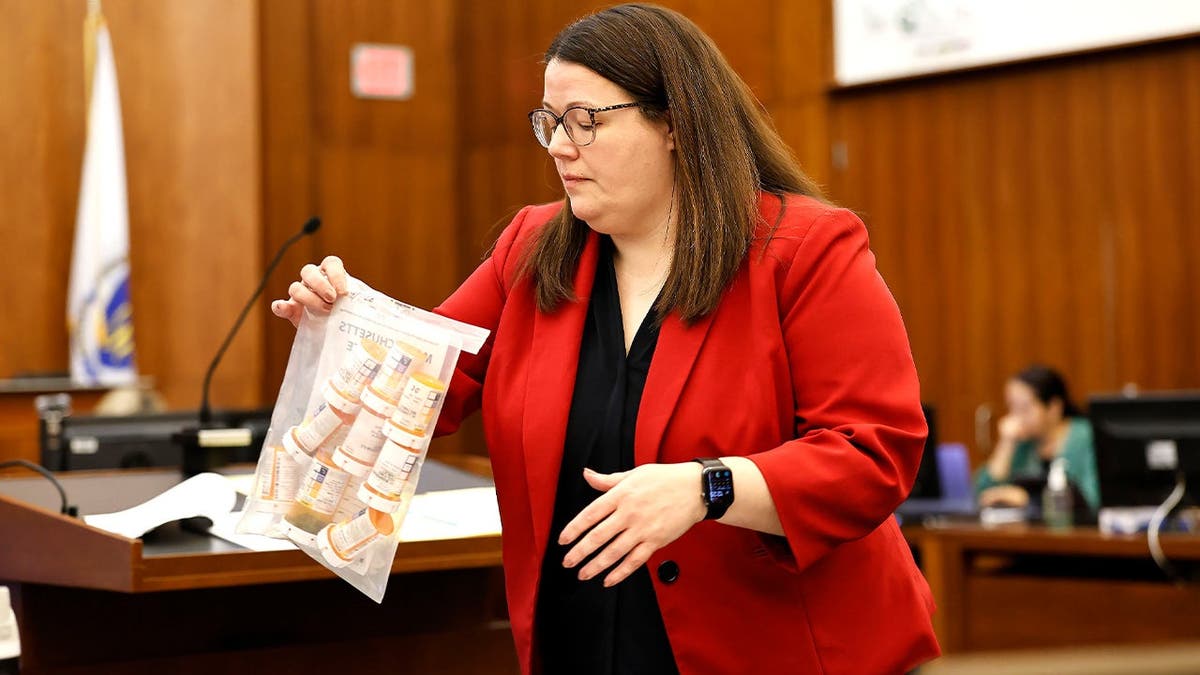
Assistant Plymouth County District Attorney Jennifer Sprague introduces prescription medication prescribed to Lindsay Clancy as evidence on the first day of the trial. (Greg Derr/Pool/The Patriot Ledger)
Reddington’s statements came during arguments over a Rule 25(b)(2) motion. The filing asks Sullivan to set aside the deadlocked jury’s failure to reach a verdict and enter a not-guilty judgment on the grounds that the Commonwealth’s evidence was legally insufficient to support a conviction.
Such motions are common, but they rarely succeed, said Carol Erskine, a retired Massachusetts judge and child welfare advocate who has been following the case.
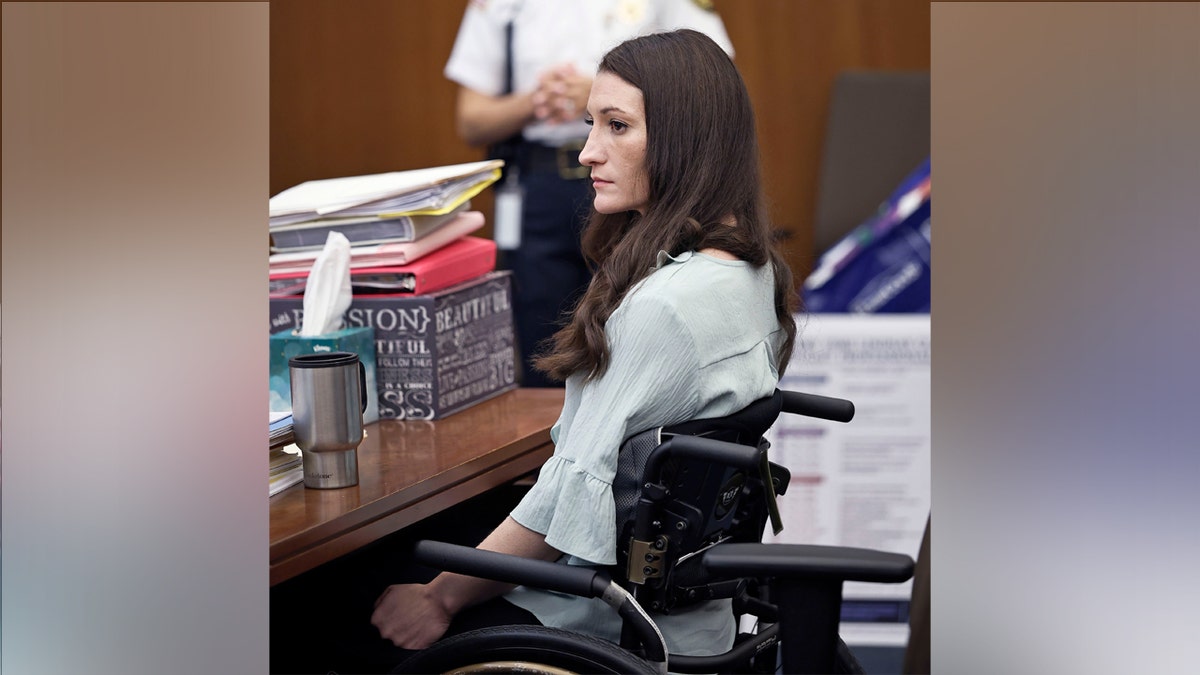
Lindsay Clancy listens as attorney Kevin Reddington questions a witness about her cellphone during her murder trial at Plymouth Superior Court in Plymouth, Massachusetts, on Monday, Aug. 17, 2026. (Greg Derr/Pool The Patriot Ledger via AP)
“He is arguing that the prosecution failed to prove every element required under the law,” Erskine told News Outlet. “I understand why that can be confusing, but under Rule 25(b)(2) case law, he had to challenge the sufficiency of the evidence. He also told the judge he requested a Bowden instruction and was denied, meaning he was challenging the quality of the police search and investigation at the home. It is a highly nuanced argument.”
It’s also a different argument than the prior Rule 25 motion that Reddington filed at the end of Clancy’s mistrial, which Sullivan denied.
“I will say it was a total surprise that his strategy changed from the original 25(b)(2) motion,” Erskine said. “Did not expect it.”
Clancy is due back in court on Nov. 2 for another motion hearing. She has pending motions to dismiss the charges on double jeopardy grounds and to open an inquiry into the holdout juror.
A new trial has not yet been scheduled. Both the prosecution and the defense told the court they needed more time, and Reddington said that he’s not available to start one until June 2027.


