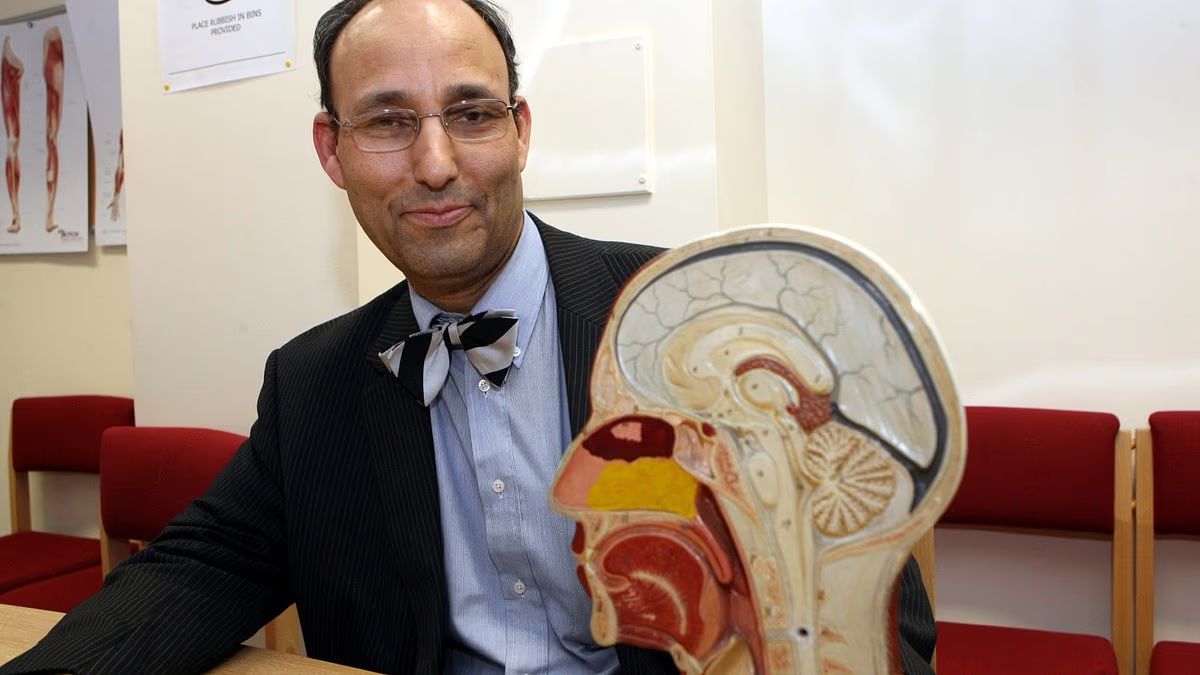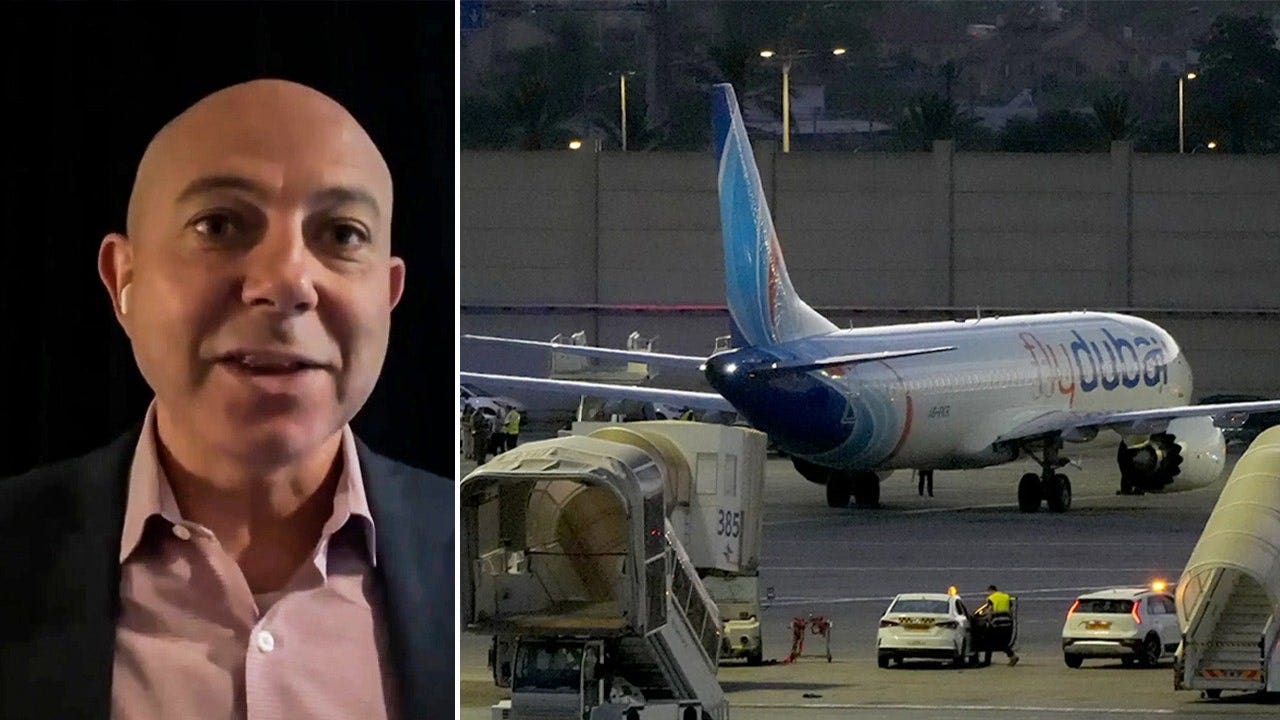

Eliran Almog, a former Israeli helicopter pilot who now leads an aviation cybersecurity company, said the safe landing of FlyDubai Flight 1073 following a brutal attack in the air was almost unfathomable.
“You can’t truly imagine what it is like to be in that situation,” the former Israeli Air Force pilot told News Outlet. “You watch the videos and hear children screaming, but passengers may not even understand what is happening around them.”
The flight reportedly plunged more than 14,000 feet in roughly 30 seconds after its Omani co-pilot, later identified as 29-year-old Hamam al-Hammami, allegedly stabbed the pilot, Capt. Smit Machchhar, while the aircraft was en route.
“The forces acting on that aircraft must have been enormous, and everyone on board would have believed they were about to die,” Almog said. “It is extraordinary that the plane stayed intact, and landing it after the damage to the tail was an incredible achievement.”
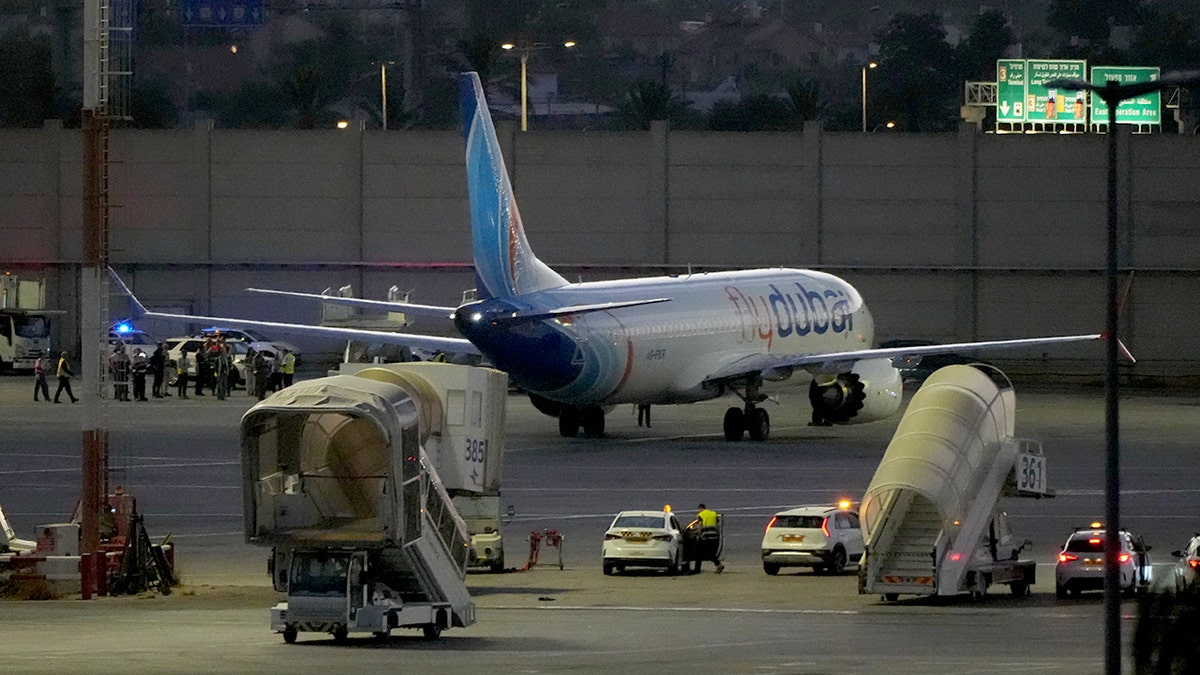
A FlyDubai aircraft carrying Israelis who experienced an emergency landing in Saudi Arabia is seen parked at Ben Gurion International Airport, near Tel Aviv, Israel, Wednesday, Sept. 30, 2026. (Ariel Schalit/AP)
Although Machchhar had suffered serious injuries, officials said he managed to press the button that unlocked the cockpit door. Israeli passengers then entered the flight deck and restrained al-Hammami. A second FlyDubai crew that was traveling on the aircraft took control of the emergency and guided the plane to a safe landing in Saudi Arabia.
“As a pilot, I honestly don’t know whether I could have brought that aircraft down safely under those circumstances,” Almog said. He noted that each commercial airplane has its own cockpit systems, landing techniques and operating limits.
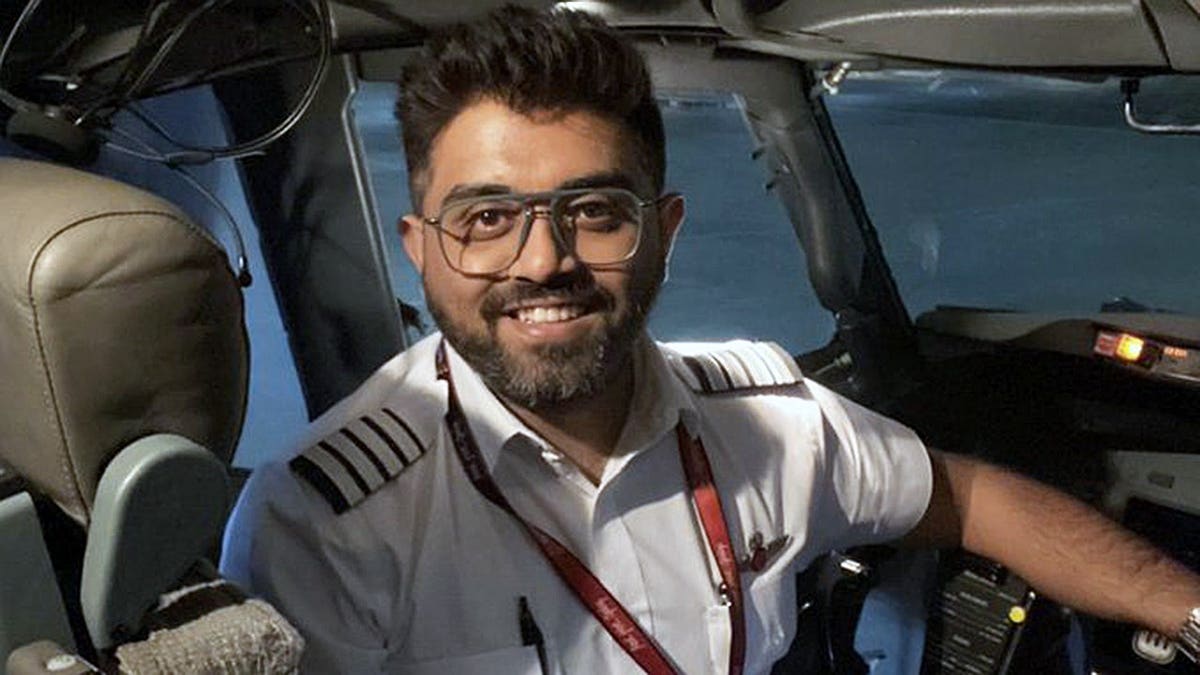
Captain Smit Machchhar, the Indian pilot who allegedly was attacked on a FlyDubai plane heading to Israel on Wednesday, Sept. 30, 2026. (Israel Foreign Ministry)
Almog, who advises airlines and related companies on strengthening their cybersecurity defenses, said the incident underscored the importance of more comprehensive pilot screening. That process, he argued, should examine psychological stability as well as possible political or ideological risks.
“A pilot’s personal characteristics carry significant weight in our evaluations,” he said. “Technical expertise and cognitive ability matter, but we also need to know that pilots are emotionally balanced and capable of remaining resilient during extreme events.”
YOU MIGHT ALSO LIKE: Ohio Truck Factory Lays Off Nearly 1,400 Before Trump Rally
“Aviation is critical infrastructure, so the industry needs to rethink how it evaluates pilots—not only when they are hired, but throughout their careers,” he continued. “Airlines need effective tools to recognize family problems, psychological strain or the emergence of extremist beliefs, even among highly experienced pilots. These standards should become widespread, and governments and regulators must help drive that change.”
Investigations into the FlyDubai emergency and al-Hammami are underway in several countries, including Israel and Saudi Arabia. In a Thursday interview with Fox & Friends, Israeli Prime Minister Benjamin Netanyahu said the co-pilot had been subjected to “Islamist radical indoctrination.”
President Donald Trump, meanwhile, raised the possibility that al-Hammami may have received training from—or been encouraged by—Iran’s Islamic Revolutionary Guard Corps, known as the IRGC.
Almog said the episode also reflects the growing threat posed by geopolitical instability, particularly as wars and tensions across the Middle East create new challenges for commercial aviation.
“When you ask airlines what risks concern them most today, geopolitical risk is at the top of the list,” he said. Almog added that his company monitors GNSS and GPS jamming and spoofing, warning that such activity can be mapped to reveal the locations of active conflicts.
He stressed, however, that pilots are not the only aviation workers who require careful screening and ongoing oversight.
“Pilots are not the only people capable of causing a plane to crash,” Almog said, noting that more than 80% of cybersecurity threats originate with insiders, many of whom may not realize they are creating a vulnerability. “The concern extends to cabin crew, maintenance teams and others involved in flight operations. Improper fuel distribution or incorrect maintenance settings can also create catastrophic consequences. Because aviation depends on an intricate supply chain, psychological assessments and background checks should cover everyone whose work can affect a flight—not pilots alone.”
Almog also highlighted the passengers’ composure and praised Machchhar for his actions during the crisis.
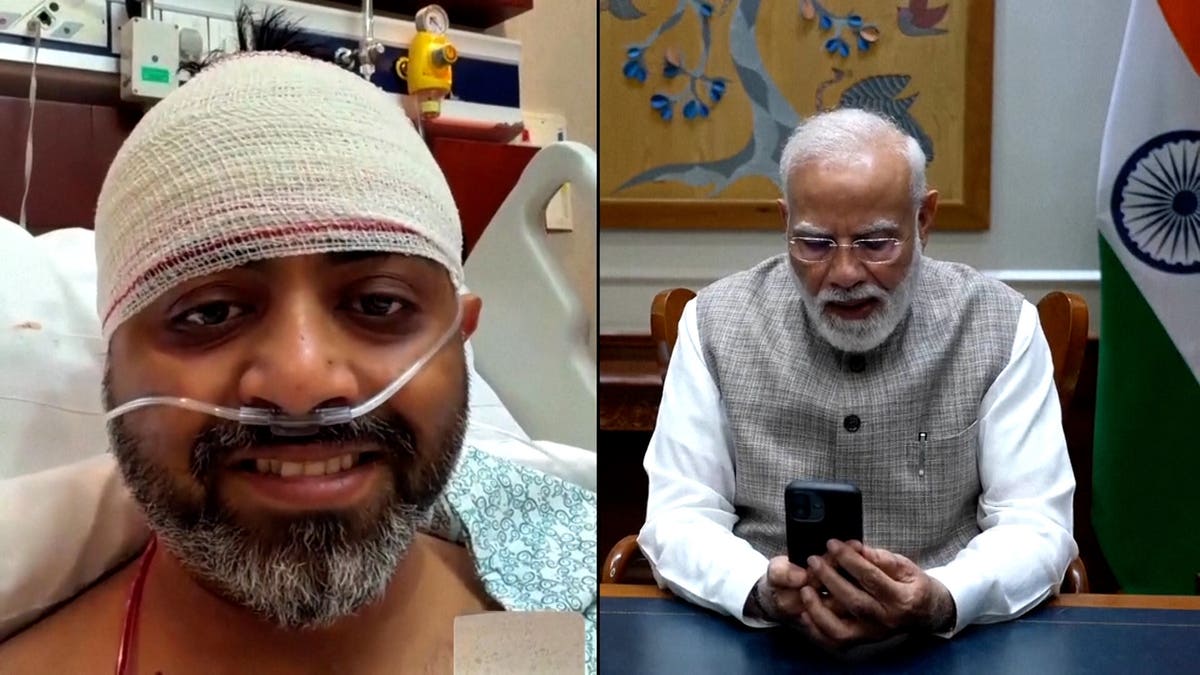
A side by side image of Capt. Smit Machchhar, the FlyDubai pilot who was stabbed in mid air on Sept. 30, 2026, and India Prime Minister Narendra Modi during an Oct. 2, 2026 phone call between the pair. (Narendra Modi YouTube Channel via AP)
“In the end, a series of extraordinary circumstances prevented a catastrophe,” Almog said. “The outcome depended on the passengers’ resilience, the bravery of the off-duty Indian pilot who opened the cockpit door, and the presence of two additional FlyDubai pilots who were able to land the plane safely.”
“As a pilot, I can tell you that isn’t easy. Landing an unfamiliar commercial aircraft type under extreme stress requires specialized training, which is why rigorous screening and continuous support for flight crews are so vital,” he added.