
Some of the Cornell University fraternity members later accused of sexual assault appear to have tried to contain the allegations in the weeks after the incident, apparently fearing the impact on their reputations and futures on campus, according to text messages, phone calls and other records reviewed by ABC News.
Students who later spoke with campus officials characterized some Chi Phi members’ actions as “damage control.” Their apparent goal, the students said, was to make sure the woman allegedly assaulted — identified as Jane Doe — was “not upset about the situation,” according to Cornell records reviewed by ABC News.
The fraternity members’ efforts unfolded as Jane Doe’s understanding of the October 2024 encounter appeared to shift. She initially viewed the sexual encounters as largely consensual, but later described them during a phone call as a “gang rape.”
“The only way for me to heal is to know what happened,” the woman, then a Cornell junior, told Matthew Ingalls, one of the men she accused, in a call recorded one day before she reported the incident to Cornell University Police on Nov. 8. “That’s why I’m trying to just piece it together, you know, like I’m just confused.”
According to police records, Ingalls invited Jane Doe to the fraternity house that night. He has not responded to requests for comment and, like the other men named in a civil lawsuit filed by Doe, has previously denied wrongdoing. Ingalls has not been criminally charged.
During Cornell’s investigation, Ingalls said he had been too intoxicated to consent and suggested that Jane Doe had assaulted him, according to university records reviewed by ABC News.
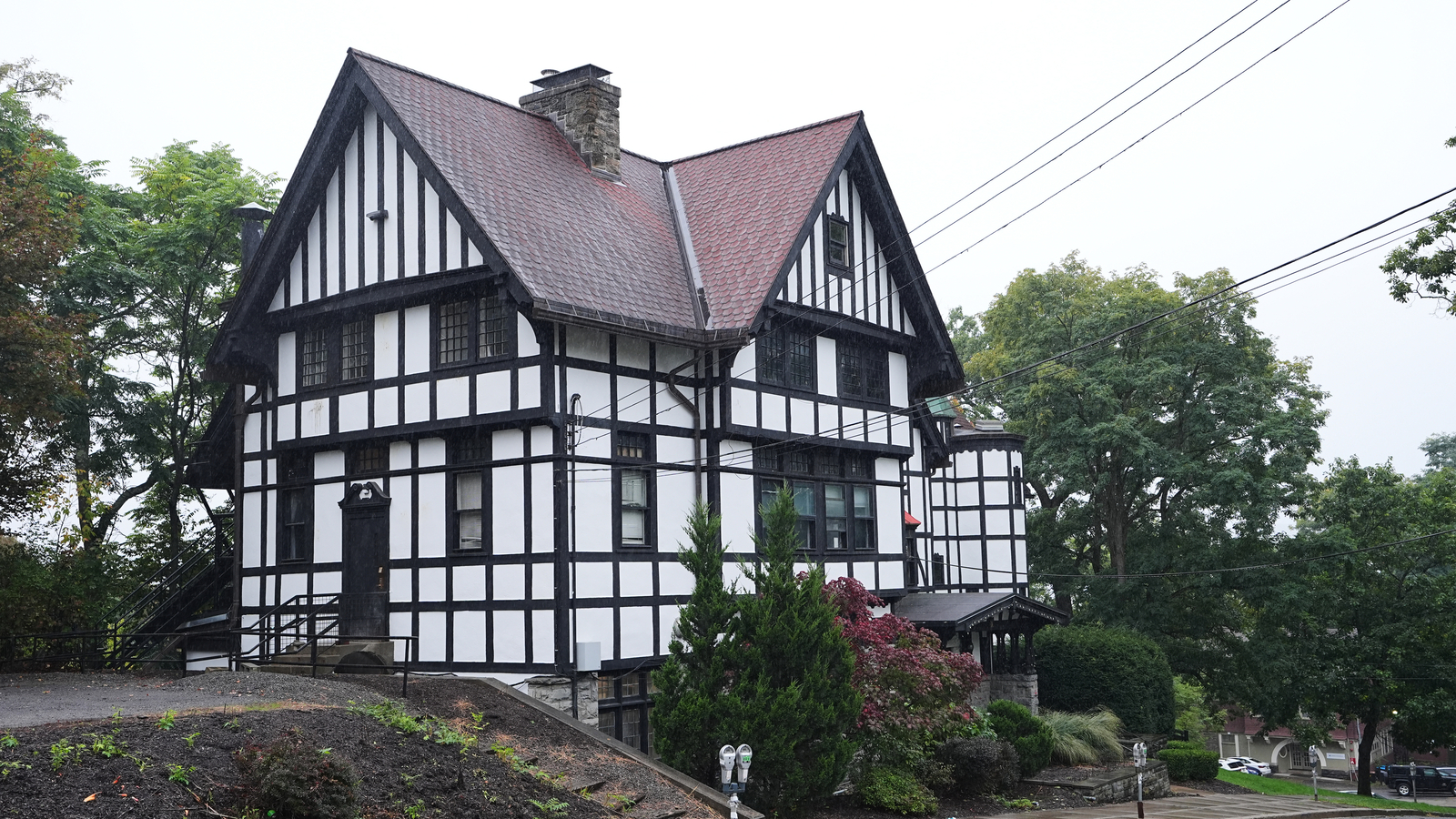
The Oct. 19, 2024, incident at the Chi Phi house sparked national attention and renewed debate in the United States over sexual violence, consent and the role of alcohol, drugs and peer pressure in encounters between adults.
ABC News reviewed records from Cornell’s internal investigation, which began in November 2024 and continued through May 2025, along with communications involving the students at the center of the allegations. The materials offer a detailed look at how Doe’s account developed and how the men involved appeared to frame the events as less serious.
Jane Doe told police that the evening began casually, when she went to visit a friend at his fraternity house. She later said the night became a nightmare as a sexual encounter involving her and two men expanded to include others while she was given alcohol and drugs.
“They tried to contact [Jane] almost every day after it happened to, I guess, keep them on her good side and keep her happy and not upset about the situation,” Doe’s friend later told Cornell officials in May, according to records reviewed by ABC News.
YOU MIGHT ALSO LIKE: Democrats Target Six More GOP House Seats in Expansion Push
The apparent efforts did not prevent Doe from reporting the incident to Cornell Police as a rape. Her report prompted a response from leaders of the university’s Chi Phi chapter, according to text messages obtained by ABC News.
“F—-,” one fraternity member wrote in a group chat on Nov. 8, 2024. “Should I call [Jane]?”
The chapter president replied: “Wait a bit for me and [Executive Board] to figure out what we’re doing cuz there are a couple of other things going on. When was the last time you spoke to [Jane]?”
The same day Doe went to police, Cornell suspended the Chi Phi chapter. The allegations led to a months-long university investigation that resulted in two men being expelled and others being suspended.
Cornell Police began investigating in November 2024 and recorded Doe’s initial report this way: “A female undergraduate student reported that she was recently raped by 8-10 men at the Chi Phi fraternity house.”
Prosecutors did not seek additional records beyond Doe’s six-page statement to campus police and did not examine the extensive file generated by Cornell’s internal investigation.
Tompkins County District Attorney Matthew Van Houten said in a statement last week that Doe’s original account indicated the sex and drug use had been consensual.
Last week, New York Gov. Kathy Hochul removed the local district attorney from the case and appointed state Attorney General Letitia James to lead the criminal investigation. Cornell also said an outside law firm would begin reviewing the university’s handling of the allegations and its subsequent investigation this week.
‘What y’all did would be classified as gang rape’
Copyright © 2026 ABC News Internet Ventures.