
Moonies Bar & Nightclub, identified in a lawsuit tied to the Cornell University sexual assault controversy, is challenging the alleged victim’s account that the venue served her alcohol despite her being under 21. The Ithaca bar has now made the same denial in a court filing.
The downtown Ithaca establishment, which is popular among Cornell students, told Fox News that guests attending a private Tri Delta sorority event on Oct. 19, 2024, were separated by age: underage attendees had an “X” placed on their hands, while guests 21 and older received wristbands. Moonies said its bartenders were instructed to serve alcohol only to wristbanded patrons.
Both Doe’s complaint and Moonies’ description of the event agree that she was identified as underage. Their accounts diverge over whether she was served alcohol after entering the bar.
In the lawsuit, Doe alleges that a Moonies security employee marked both of her hands with an “X” because she was 20 at the time. She claims that, despite the markings, she was served and drank at least one alcoholic beverage inside the venue.

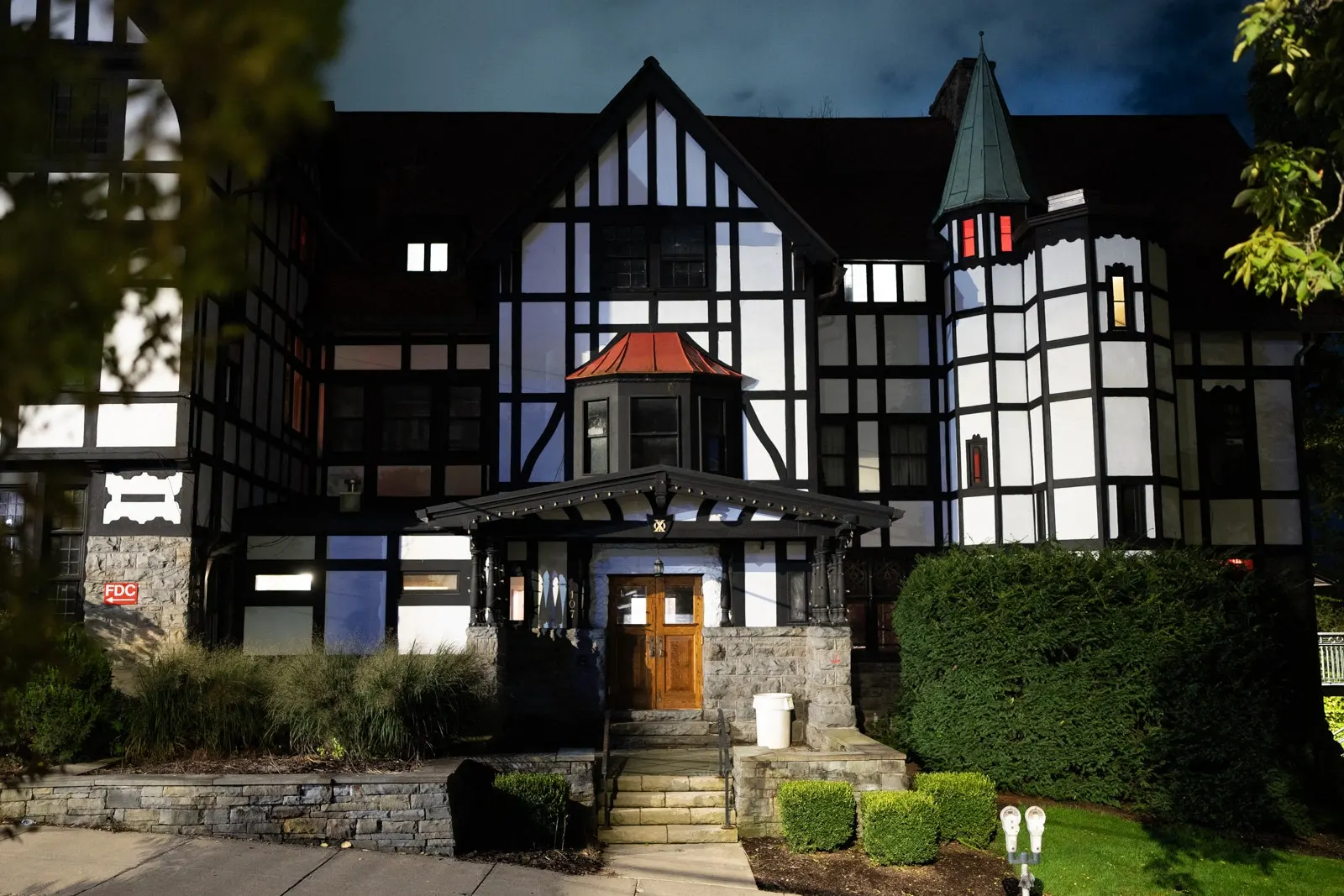
The Chi Phi fraternity house stands on the Cornell University campus in Ithaca, N.Y., on Oct. 2, 2026. (AFP via Getty Images)
“No alcohol was served to anyone who had [a] mark on their hands,” Moonies said in a statement to Fox News on Tuesday, directly disputing Doe’s allegation.
The bar also said Doe later worked for the company between February and March 2025, during which time she spoke with staff about the October incident.
Moonies said Doe did not tell employees in those conversations that she had become intoxicated at the bar or that any bartender had served her alcohol.
News Outlet reached out to Doe’s attorney for a response to the bar’s claims.
In an answer filed Sunday in New York Supreme Court, Zareen Enterprises LLC, the company operating as Moonies Bar & Nightclub, denied illegally selling or providing alcohol to anyone under the legal drinking age. It also denied serving alcohol to anyone who appeared visibly intoxicated.
The filing rejects the specific allegation that Doe received alcohol at Moonies even though her hands had been marked to show she was underage. The company further denied that any action or failure on its part caused the injuries described in the lawsuit.
Moonies asked the court to throw out the claims against the bar in full.
The legal dispute is unfolding as the broader Cornell sexual assault case continues to generate national attention. Thousands of people rallied on campus Monday, while faculty senators advanced a no-confidence resolution targeting the university’s central administration and its response to sexual assault allegations. Gov. Kathy Hochul has also designated the New York Attorney General’s Office as special prosecutor, with Attorney General Letitia James overseeing what officials have described as an “active criminal investigation.”
Moonies said the private Tri Delta gathering ran from 9 to 11 p.m. and drew approximately 185 people. About 150 attendees were over 21, while roughly 35 were underage, according to the bar.
The company said it was operating under an agreement with the sorority and used hand markings for minors and wristbands for guests legally permitted to drink.
Moonies described Doe’s claim that she received alcohol as “completely inaccurate,” maintaining that its employees “strictly followed the rules and did not serve alcohol to any underaged guests.”
MORE STORY: Florida Pickleball Dispute Escalates as Fitness Executive Takes Legal Action
As part of its court response, Moonies listed several affirmative defenses. The company argued that Doe cannot prove it unlawfully provided alcohol to someone underage or visibly intoxicated, nor that an allegedly improper sale caused her injuries. Moonies also maintained that it followed all relevant laws and regulations governing alcohol service.
The disagreement addresses one portion of Doe’s account of the evening before the alleged assault, specifically what occurred at Moonies before she went to the Chi Phi fraternity house.
According to the complaint, Doe started drinking vodka at the Tri Delta sorority house before a housemother accompanied her to Moonies. She later visited another Ithaca bar, left by herself at about 11 p.m. and walked to Chi Phi to meet a friend who belonged to the fraternity.
Doe’s lawsuit says she appeared visibly intoxicated when she reached Chi Phi and had consumed approximately 10 standard drinks over the course of three hours.
Once inside, Doe alleges she was given another beer before going upstairs, where two fraternity members pressured her into snorting what they said was ketamine, a drug she says she had never previously taken. She alleges they also gave her marijuana and high-proof liquor before sexual activity began.
Doe alleges other fraternity members became involved as the night progressed and that she eventually became “completely incapacitated.” Seven former Chi Phi fraternity brothers are accused in her lawsuit of sexual assault and rape.

Students protest in Ho Plaza at Cornell University, Monday, October 5, 2026, in Ithaca, New York, in response to an alleged sexual assault in 2024. (Richard Beetham for News Outlet)
The men have denied wrongdoing, with some maintaining that sexual activity was consensual and others denying they participated. No criminal charges have been filed against the seven men.
The case burst into public view when Doe filed the 101-page lawsuit Sept. 16, nearly two years after the alleged encounter.
In addition to the seven former fraternity members, Doe sued Cornell University, Chi Phi and affiliated entities, her own Tri Delta sorority and Moonies, among others, alleging that institutions around her failed to protect her before, during and after the events of that night.

Students protest on Ho Plaza at Cornell University on Monday, Oct. 5, 2026, in Ithaca, N.Y., in response to an alleged sexual assault in 2024 involving members of the Chi Phi fraternity. (Richard Beetham for News Outlet)
The lawsuit’s allegations prompted renewed scrutiny of the original criminal investigation.
Tompkins County District Attorney Matthew Van Houten, who initially declined to pursue charges, has said the six-page sworn statement his office received from Cornell University Police in 2024 did not allege that Doe was drugged against her will or gang-raped and instead described her participation in drug use and sexual conduct as “voluntary, conscious, and consensual.”
A fuller transcript of Doe’s November 2024 police interviews later obtained by CBS New York included statements in which she distinguished the initial sexual encounter from later activity and explicitly told investigators she had been raped.
Van Houten said his office had never received that transcript.