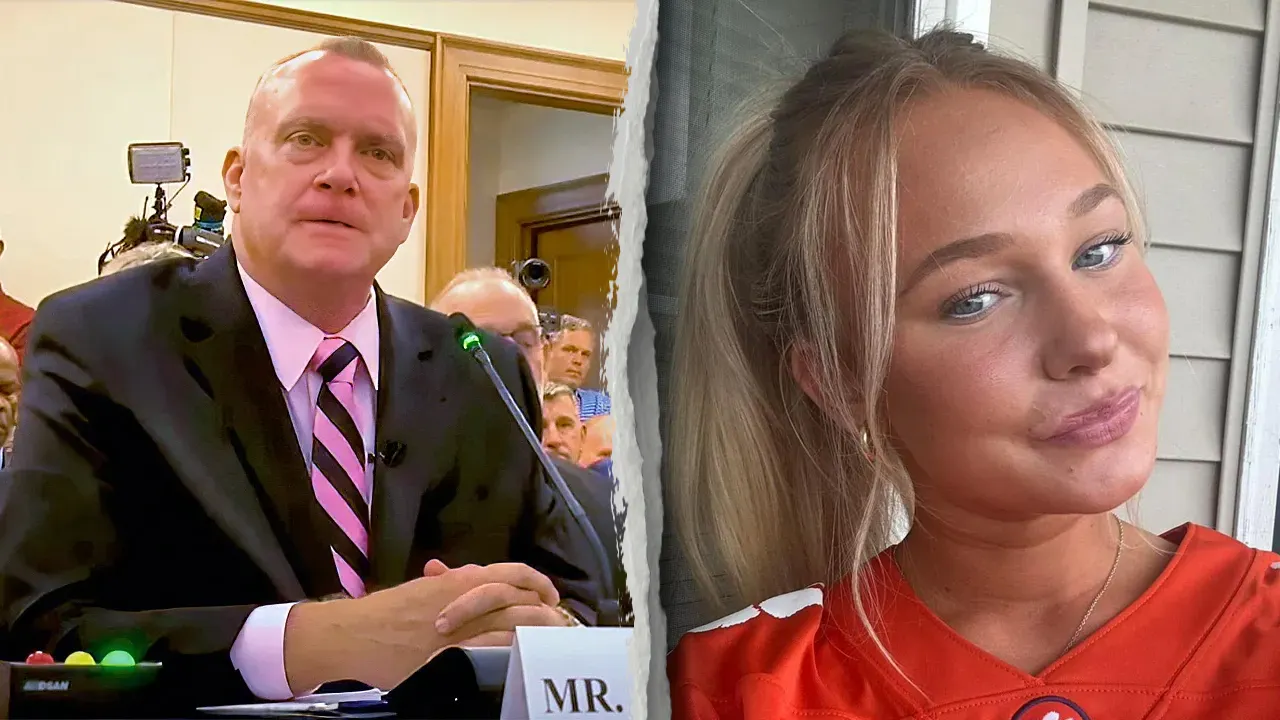

Stephen Federico, whose 22-year-old college-student daughter Logan was killed during a home invasion, is calling on Congress to close legal gaps that allow repeat violent offenders to return to the community.
Federico is advocating for “Logan’s Law,” a proposed measure that would establish a publicly accessible database of habitual violent offenders, require law enforcement agencies across counties and state lines to share information, and increase accountability for prosecutors handling repeat criminals.
Supporters say the legislation could address the failures that enabled Alexander Dickey, the man accused of killing Logan, to remain out of long-term custody despite years of criminal convictions.
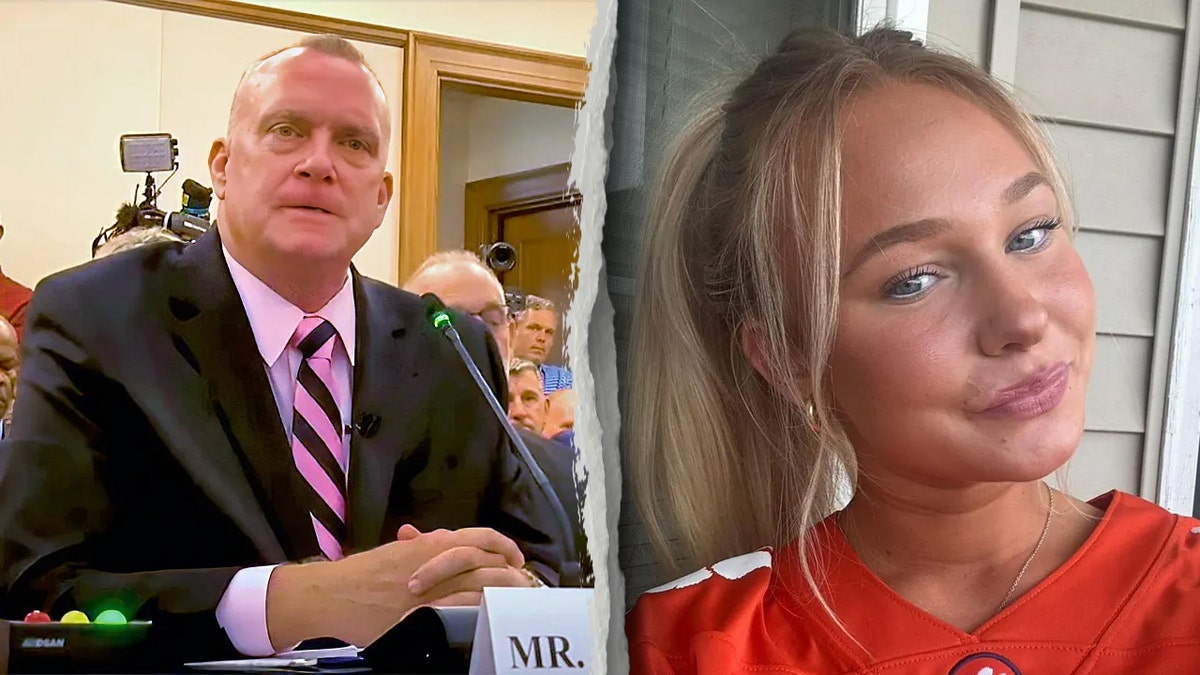
Stephen Federico (left) testified to Congress about his daughter Logan Federico’s accused killer, a repeat offender. On Thursday, Federico spoke during a roundtable in South Carolina attended by U.S. Attorney General Todd Blanche, pushing for Logan’s Law, which would create a registry for violent repeat offenders. (House Judiciary Committee/Screenshot; Police handout)
“This was preventable. And d—–, I’m not going to save just one more life,” Federico said Thursday at a South Carolina crime-reduction roundtable attended by U.S. Attorney General Todd Blanche. “I’m going to save thousands.”
He said the case reflects wider weaknesses in the criminal justice system, drawing a comparison between domestic crime enforcement and shortcomings in immigration enforcement.

Alexander Dickey is the suspected killer of 22-year-old Logan Federico during a home invasion in Columbia, S.C., May 3. (Columbia Police Department/Handout)
“We are fighting 15 million that crossed our borders — some horrific criminals, some not,” Federico said. “Now we’re also fighting the constant felon. How are we supposed to win without Logan’s Law?”
Rep. Russell Fry, R-S.C., and the late Sen. Lindsey Graham, R-S.C., introduced Logan’s Law, but the proposal has not yet received a formal vote or floor consideration in either chamber of Congress.
“Common sense works. Common sense is easy,” Fry said, likening the proposal to registries already used by the public. “We have a sexual abuse registry that is publicly searchable. This is for violent crimes. It’s the same concept.”
Blanche also pressed lawmakers to act on the proposed violent-offender registry and related reforms.
NEXT UP: Joe Manganiello’s Fiancée Celebrates Anniversary Ahead of Memoir Release
“It took a tragedy to push it to the forefront,” Blanche said. “But that’s OK. I think the worst thing we could do is not act.”
The attorney general said he hoped the measure would attract support from both parties, adding, “I don’t think it’s a controversial issue. … I know President Trump supports it.”
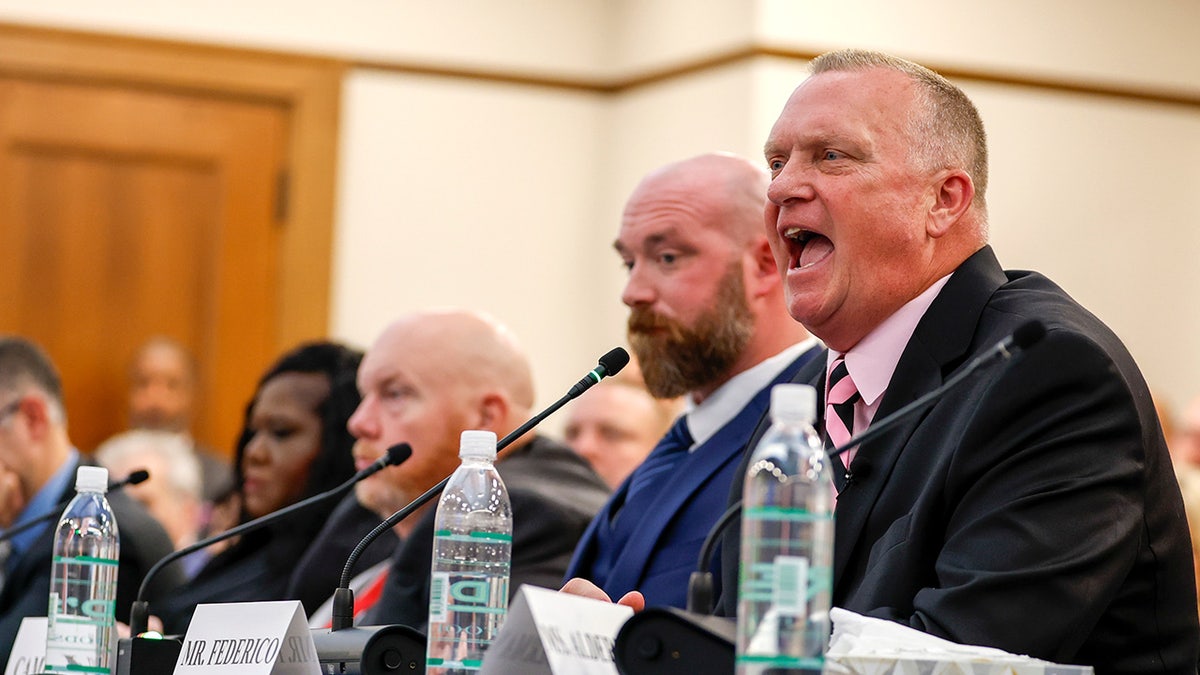
At a House Judiciary Oversight hearing in Charlotte, N.C., Stephen Federico shared testimony Sept. 29 about the murder of his daughter Logan amid rising concerns over violent crime. (Nell Redmond/AP Photo)
Logan Federico, a North Carolina college student, was visiting friends at a South Carolina residence on May 3, 2025, when Dickey allegedly forced his way inside.
Columbia police said Dickey arrived in a stolen vehicle, entered another house in the neighborhood to take car keys and a firearm, and then broke into the home where Federico was staying.
Police allege that Dickey took credit cards from the residence before shooting Federico, who was awake during the break-in. Her father said she may have been the only person able to recognize the intruder.
“He didn’t kill our daughter for a debit card,” Federico said. “She was the only one awake who could identify him. He killed a witness.”
Dickey’s criminal history stretches back to 2013 and includes convictions for breaking and entering, burglary, grand larceny, strong-arm robbery, possessing a stolen vehicle and resisting arrest. Critics and officials say repeated opportunities within a lenient system allowed him to remain free.
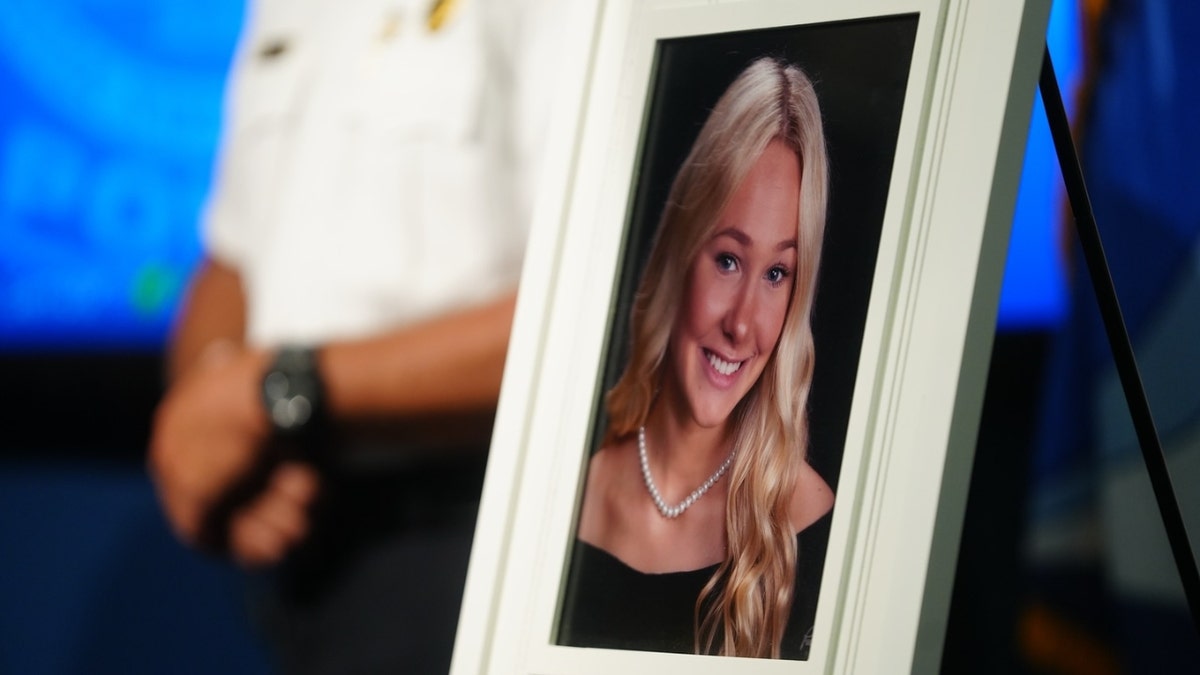
Logan Federico, a 22-year-old aspiring nurse, was fatally shot during a Columbia home break-in on the morning of May 3. (Columbia PD)
“What we do as a society right now is make the criminal more important than the innocent,” Federico said, criticizing progressive policies such as reduced sentencing and no-cash bail. “We have turned the page. We are the underdogs.”