
Scotland’s criminal cases watchdog has warned that dozens of convicted rapists could mount a “class action”-style challenge, echoing the mass appeals triggered by the Post Office Horizon scandal.
The Scottish Criminal Cases Review Commission (SCCRC) has urged courts, prosecutors, police forces and legal representatives to preserve files linked to sex offence cases. The warning comes as authorities prepare for a possible surge in appeals following a landmark Supreme Court judgment.
The anticipated challenges could involve people convicted of rape and other serious sexual offences since 2013. Supreme Court judges found that Scotland’s rape shield provisions had been applied in a way that risked breaching an accused person’s right to a fair trial.
The details have emerged from correspondence released under freedom of information (FoI) legislation.
Behind closed doors, officials dealing with the consequences of the ruling have already drawn comparisons with the Post Office Horizon scandal.
Documents show that SCCRC officials discussed previous mass challenges to alleged wrongful convictions, including the Horizon case, in which hundreds of sub-postmasters successfully contested convictions connected to defective computer software.
The comparison is expected to intensify concerns over the possible scale of the appeals after the Supreme Court concluded that Scottish courts had adopted an unlawfully narrow approach to evidence in rape and serious sexual offence trials.
Minutes from a March meeting between the SCCRC and Scottish Government officials recorded 15 applications. The Mail can now disclose that the number has risen to more than 40.
The SCCRC has said the number of people potentially affected by the Supreme Court’s decision is expected to be “large”.

Concerns have emerged that convicted rapists could pursue a “class action”-style challenge similar to the Post Office Horizon scandal

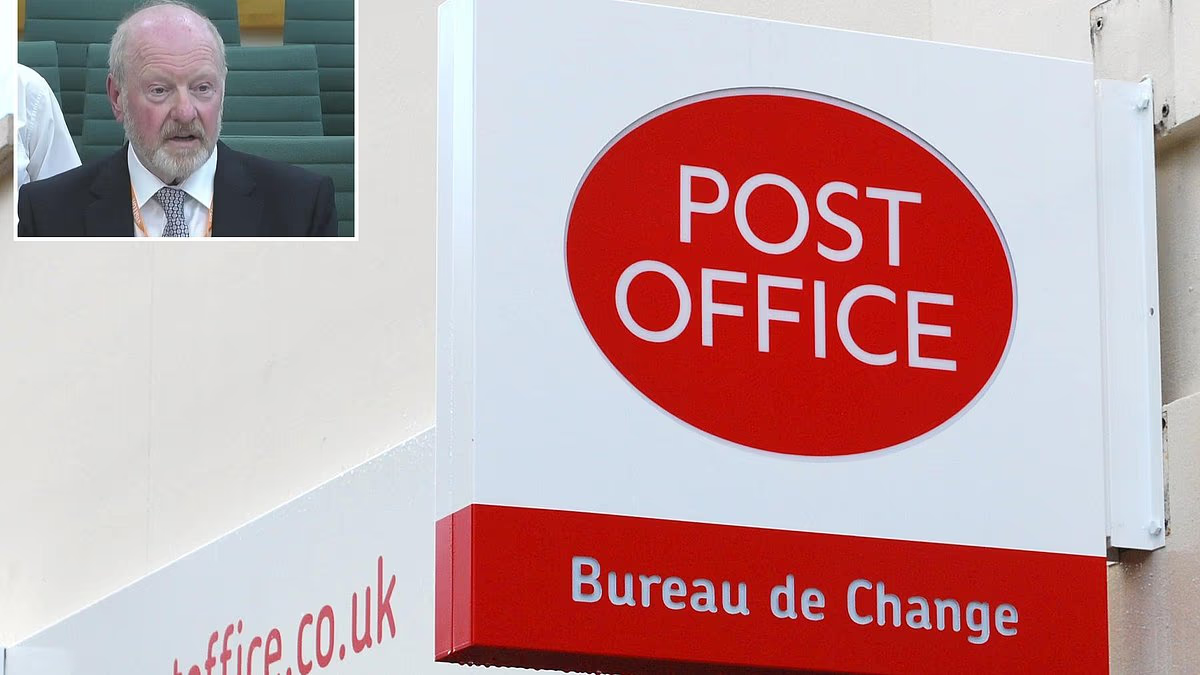
Sir Alan Bates, the sub-postmaster who spearheaded the campaign to expose the Horizon scandal
Those attending the meeting also considered the lessons from mass efforts to overturn allegedly wrongful convictions, including the Post Office Horizon affair.
In a separate letter released under FoI rules, SCCRC chief executive Michael Walker said applications seeking reviews of sex offence convictions had reached 26 by August.
The watchdog has since confirmed that it has received 44 applications connected to the Supreme Court judgment—a 69 per cent increase in just two months.
KEEP READING: Cornell Jane Doe Drops Lawsuit Against Man Misidentified as Fraternity Leader
Eighteen applications were rejected during the initial assessment, while 14 proceeded to a full review. Twelve more cases remain under consideration.
Writing to Ann Donald, the Scottish Government’s deputy director for criminal justice, Mr Walker set out preparations for what he believed could become a substantial influx of applications.
In the letter, written last December shortly after the Supreme Court ruling, Mr Walker said the commission had received a small number of applications and warned that several existing cases would need to be reconsidered in light of the judgment.
He also referred to a public warning from the Lord Advocate that people convicted of rape and other serious sexual offences from 2013 onwards could seek to appeal.
“It is still difficult to predict just how many applications we’ll receive,” Mr Walker wrote.
He said the SCCRC was drawing up an operational plan to manage the expected caseload.
The correspondence also revealed the SCCRC had written to the Crown Agent, Chief Constable, Scottish Courts and Tribunals Service and Law Society of Scotland asking them to impose a moratorium on the destruction of papers in sexual offence cases.
The SCCRC said no cases have yet been referred back to the High Court following a full review.
Supreme Court judges said in November last year that rules which stop jurors finding out about an alleged victim’s sexual history should be relaxed to ensure the accused gets a fair trial.
The Scottish Tories have previously said it was ‘an extremely unsettling and distressing situation for victims of rape and sexual violence’, while Rape Crisis Scotland said the ruling ‘will have a profound and distressing impact’ on survivors who ‘now find themselves in an incredibly uncertain position’.
The judges made the controversial ruling after two sex offenders appealed on the basis their human rights had been breached because of the ‘rape shield’ legislation.
The judgment said the system should be changed and the blanket approach to excluding evidence regarding a complainer’s sexual history was too restrictive and a more nuanced approach was needed.
Scotland’s former top prosecutor, Lord Advocate Dorothy Bain, KC, has said previously that rape victims now face ‘renewed anxiety, alarm and distress’ as their attackers launch appeals.