
A photograph taken on a smartphone could offer clues about a person’s biological age and even their likelihood of surviving cancer, according to new research. Scientists created two artificial intelligence models using more than 40 million images to identify visual markers linked to health. One model estimated biological age more accurately than earlier systems, with an average error of 5.1 years.
Biological age measures how well the body appears to be ageing based on health and physical function, rather than simply counting the years since birth. The second AI system was trained on 34,000 images of cancer patients and designed to assess survival prospects.
People classified in the model’s highest-risk group were three times more likely to die during the study period than those placed in the lowest-risk group.
Dr Raymond Mak, a radiation oncologist at the Mass General Brigham Cancer Institute in Massachusetts and a co-author of the study, said doctors need more reliable ways to assess a patient’s physical resilience and frailty as populations grow older. That information could be particularly important before intensive treatments such as radiotherapy, surgery or systemic therapy are recommended.
“Our goal is to make face photograph-based health assessment more quantitative, consistent and scalable so it can support personalised treatment decisions rather than replace physician judgment,” he said.
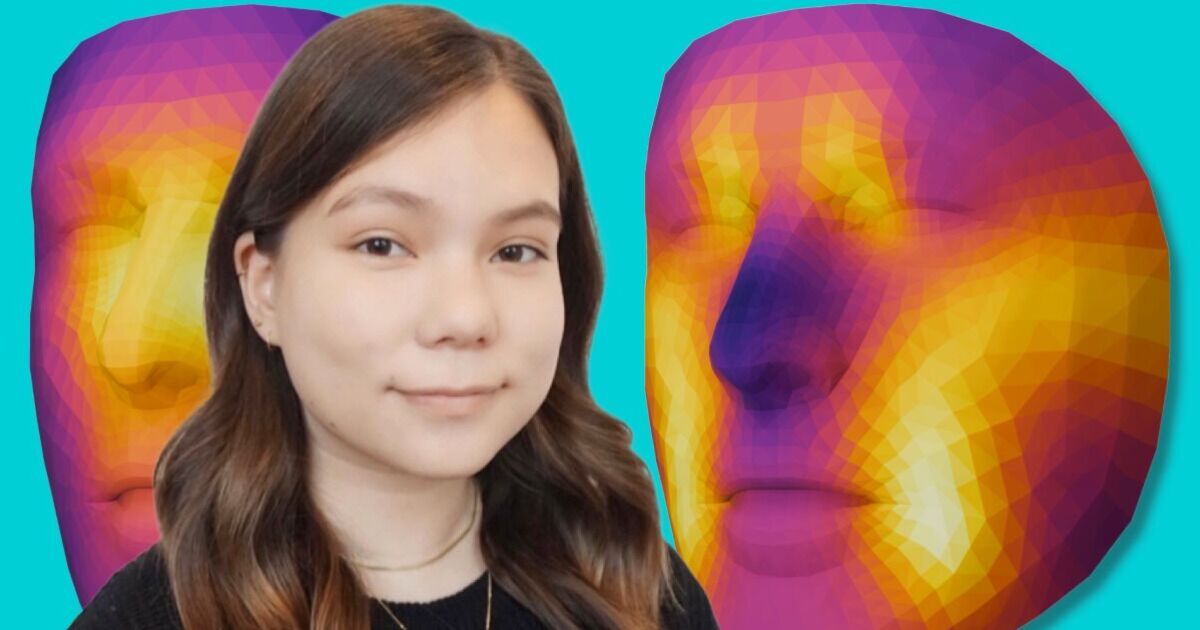
The biological-age system, known as FAHR-FaceAge, primarily examined the forehead above the eyes and the temples. FAHR-FaceSurvival, which was built to estimate cancer outcomes, focused instead on areas beneath the eyes and around the bridge of the nose.
The researchers also found links between an older biological appearance and certain lifestyle habits, including heavy drinking, drug use and smoking. Smoking produced the clearest association: current smokers generally appeared biologically older than former smokers, while former smokers appeared older than people who had never smoked.
In findings published in The Lancet Digital Health, the researchers said the technology could help identify patients who may struggle with aggressive treatment, potentially supporting better use of medical resources and protecting quality of life.
They noted that because facial characteristics may reflect behaviours such as smoking and alcohol consumption, the same technology could eventually be used to monitor lifestyle changes or the effects of anti-ageing treatments, providing near-immediate feedback.
Dr Mak said the FAHR-FaceAge results remained broadly reliable even when photographs differed in lighting, camera angle, facial expression, pose or makeup.
The model also produced largely consistent estimates after most of the cosmetic procedures tested, although researchers observed a modest change following rhinoplasty, he added.
Professor Hugo Aerts, who leads the Artificial Intelligence in Medicine programme at Mass General Brigham, said the study was the first, to the team’s knowledge, to show that an AI model could predict cancer survival directly from an ordinary photograph.
Researchers are continuing the work through the One FaceAge Research Study, which plans to recruit 10,000 participants. The project will seek volunteers from a wide range of ages, racial and ethnic backgrounds, and medical histories.