
Opinions expressed by Entrepreneur contributors are their own.
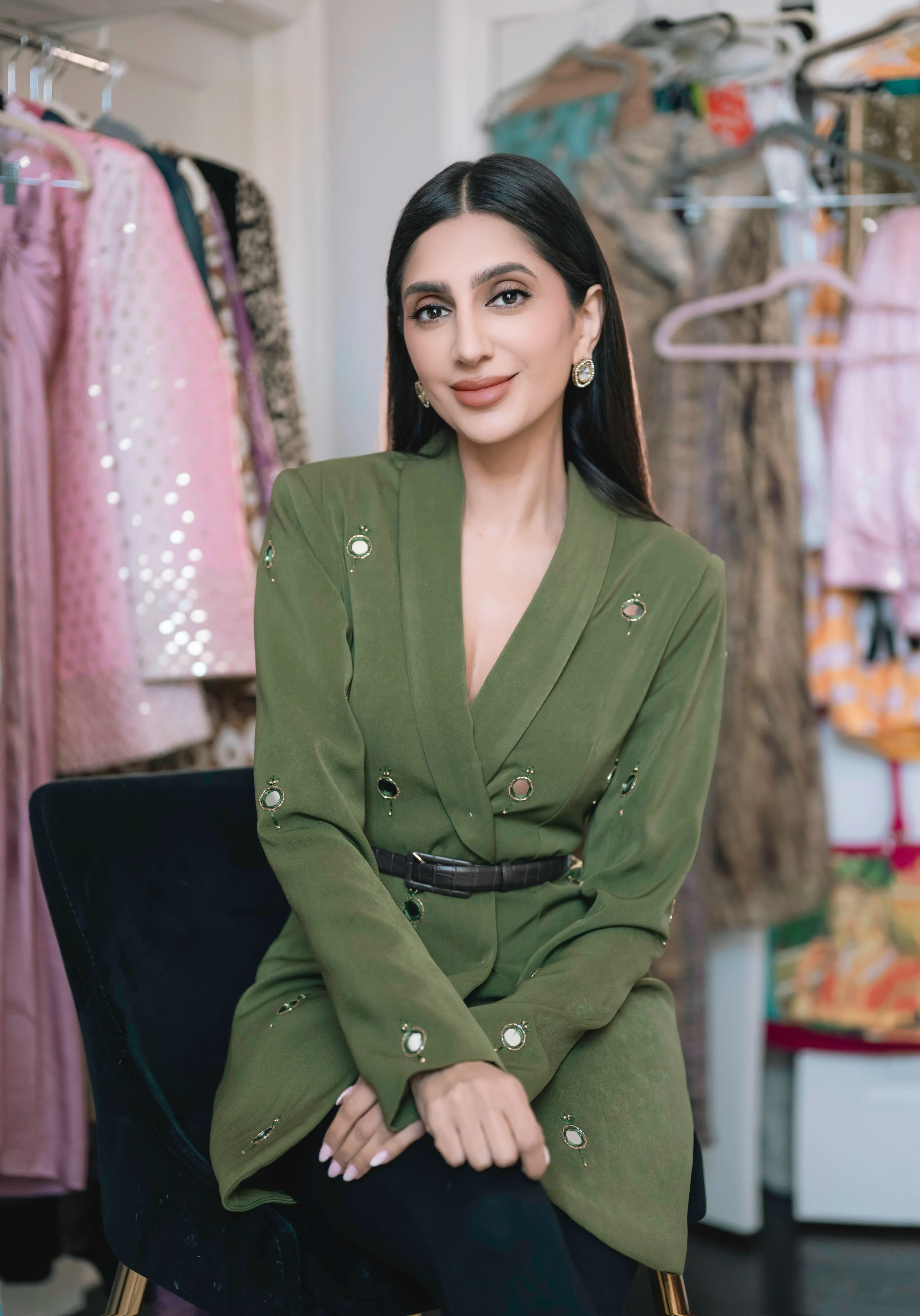
“Growing up in Queens, I struggled to find clothes that reflected who I was, so I began creating my own,” says Megha Rao, founder of holiCHIC. “I started by combining my mother’s saris with denim and leather for myself, then began making pieces for friends and family. Before long, it had grown into an entire community.” What began in Queens has since evolved into a global fashion brand, with holiCHIC blazers, saris, dresses and other pieces now sold to customers around the world through retailers including Nordstrom.
Before launching holiCHIC, Rao worked in finance sales. She spent nearly a decade building the fashion business independently and, as a Nordstrom customer, believed the two brands could be a strong match. After months of persistent cold calls, she secured a pop-up at Nordstrom’s New York flagship store in 2023, shortly before Diwali.
“The pop-up was a tremendous success, and we surpassed our expectations during those three days,” Rao says. The event led to a meeting with a Nordstrom buyer and eventually became an online retail partnership between Nordstrom and holiCHIC.
After bootstrapping holiCHIC for years and growing the company into a seven-figure business, Rao raised the brand’s first $1.5 million seed round in May 2026. Sales have increased 47% since then. As other entrepreneurs weigh whether to seek outside funding, Rao recommends asking three important questions.
1. Does the business have momentum?
“My biggest concern was whether we could sustain the momentum we had built after the Nordstrom success,” Rao says. But when she and her team reviewed the data, they found a growing group of customers who did not identify as South Asian. They were buying holiCHIC because they valued the brand’s design, style and quality.
That insight convinced Rao that holiCHIC needed capital ready for its next opportunities. Her timing proved helpful when Amazon Fashion approached the company. Because she had already decided to raise money, Rao was in a stronger position to consider the potential partnership.
2. Who do you want to partner with?
“Bootstrapping is a rollercoaster,” Rao says. “You can have an excellent month, followed by a slowdown that consumes your profits. But the business is still yours. You can listen to other people’s advice, yet you remain the person making the final decision.”
Rao was initially willing to work with multiple investors. She was later introduced to an angel investor who, after two meetings, committed the full $1.5 million seed round. In hindsight, Rao says having a single investor was the right choice for holiCHIC. Multiple investors might have offered broader networks, but they also could have brought competing opinions and added complexity.
“Our angel investor understands our vision and respects the disciplined way we have built the company,” Rao says. “It was the right fit for us.”
3. How will you use the money?
Rao pursued seed funding to scale holiCHIC—not to determine whether the business had potential. “I didn’t want to take outside capital just to experiment and spend through investors’ money,” she says. “I made plenty of mistakes early on with product-market fit, shipping and other areas. By the time we raised, we were ready to bring in investors and expand key parts of the business.”
Rao had a detailed plan for deploying the new capital. Marketing and influencer partnerships are major priorities, along with expanding the brand’s presence on Amazon Fashion and TikTok Shop. “We know women are a significant audience for us, and they often have a plus-one at the events they attend,” she says. The company is also investing more heavily in holiCHIC Men, with an emphasis on fit and style.
The long-term goal is to make holiCHIC a globally recognized fashion brand. Rao is considering expansion into the U.K., India and the Middle East, although the immediate focus remains on the United States and Canada. She may pursue another funding round once revenue grows to more than five times its current level. Until then, she is concentrating on steady performance, a larger retail footprint, team growth and expanded product lines.
Rao’s advice for founders is straightforward: “Don’t raise money to find momentum. Raise money to fuel it.”
“Growing up in Queens, I struggled to find clothing that felt true to me, so I began designing my own,” says Megha Rao, founder of holiCHIC. “At first, I mixed my mother’s saris with denim and leather for myself. Then I made pieces for friends and relatives, and eventually a much larger community took shape.” That early idea has grown into a fashion brand with customers worldwide wearing holiCHIC blazers, saris, dresses and more. The company’s journey has taken it from Queens to Nordstrom.
A former finance sales professional, Rao spent almost 10 years building holiCHIC independently. As someone who already shopped at Nordstrom, she believed the retailer would be a natural partner for the brand. Following months of cold outreach, she won an opportunity to open a pop-up shop at Nordstrom’s New York flagship in 2023, just ahead of Diwali.
“The pop-up was a massive success, and we exceeded our expectations over the three days,” Rao says. The performance opened the door to a conversation with Nordstrom’s buyer and ultimately led to an online partnership with the retailer.


