
Anesthesiologist who advised Christa Pike’s defense criticizes Tennessee lethal injection attempt
Dr. Joel Zivot, an anesthesiologist who advised Christa Pike’s attorneys, joins Bill Hemmer to examine the legal and medical questions following Tennessee’s failed execution attempt. Zivot discusses the complications involving the lethal-injection drugs administered to Pike and the fallout from a judge’s order requiring state officials to preserve evidence. Pike remains on death row after surviving the execution.
Death row inmate Christa Pike says she is still in constant pain one month after surviving Tennessee’s attempt to execute her. In a statement released Friday, Pike said she had never imagined what life might look like beyond the night she expected to die.
Pike, 50, dictated the statement to members of her legal team, who then made it public.
“One month ago on September 30, I walked into the execution chamber at Riverbend men’s prison prepared to die,” Pike said. “I had made my peace.”
She said she expressed gratitude to the people who had stood by her over the years and told witnesses at the prison that she was “leaving them in loving kindness.”
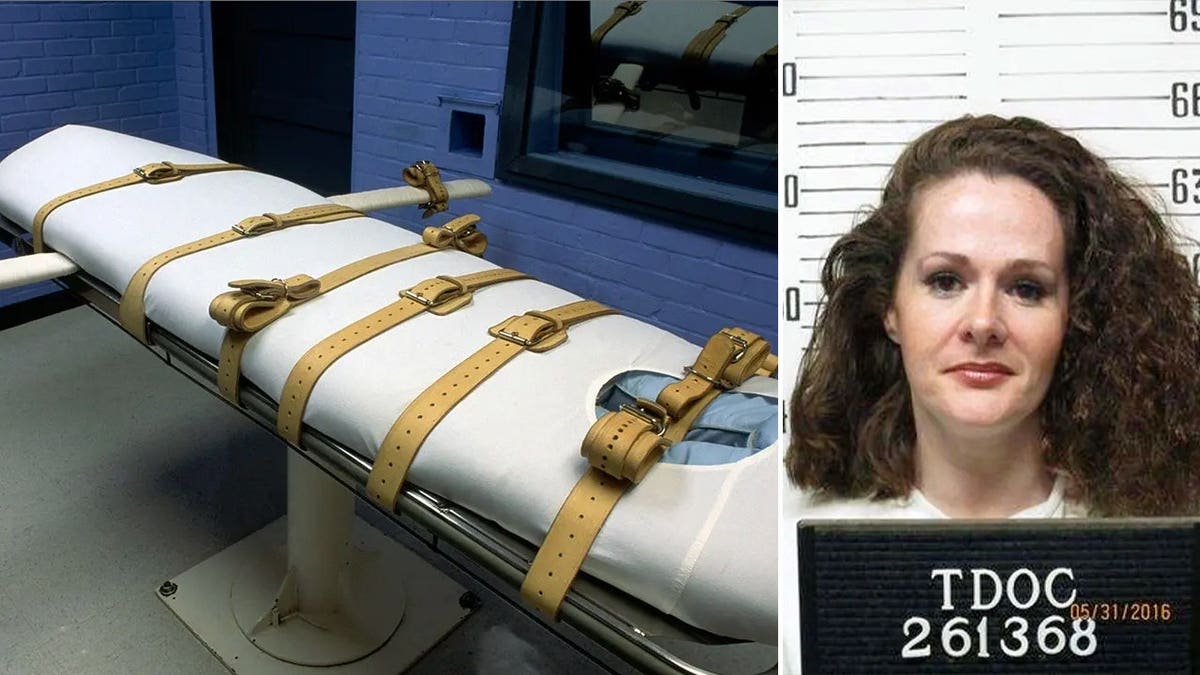
An execution gurney is pictured beside a Tennessee Department of Correction booking photo of death row inmate Christa Pike. Her lawyers filed an emergency motion seeking to preserve evidence after the state’s execution attempt failed. (Greg Smith/CORBIS/Corbis via Getty Images | Tennessee Department of Correction via AP)
“Several days later I woke up alone in a hospital, confused and in pain,” Pike said. “There hasn’t been a moment since that night when I haven’t been in pain. My body hurts. My arms hurt. My hands hurt. My throat hurts. I still struggle to speak. And the pain isn’t just physical. There is pain in my mind and in my soul.”
Pike said she had never prepared for the possibility that she might survive the execution.
“I had not contemplated life beyond that night, and I’m deeply hurt by the incompetence that has put so many people in this terrible position,” she said. “I continue to think about my victim’s family and the terrible pain and loss they have endured.”
Pike was sentenced to death for the 1995 killing of 19-year-old Colleen Slemmer, who was participating in a federal Job Corps program in Knoxville alongside Pike.
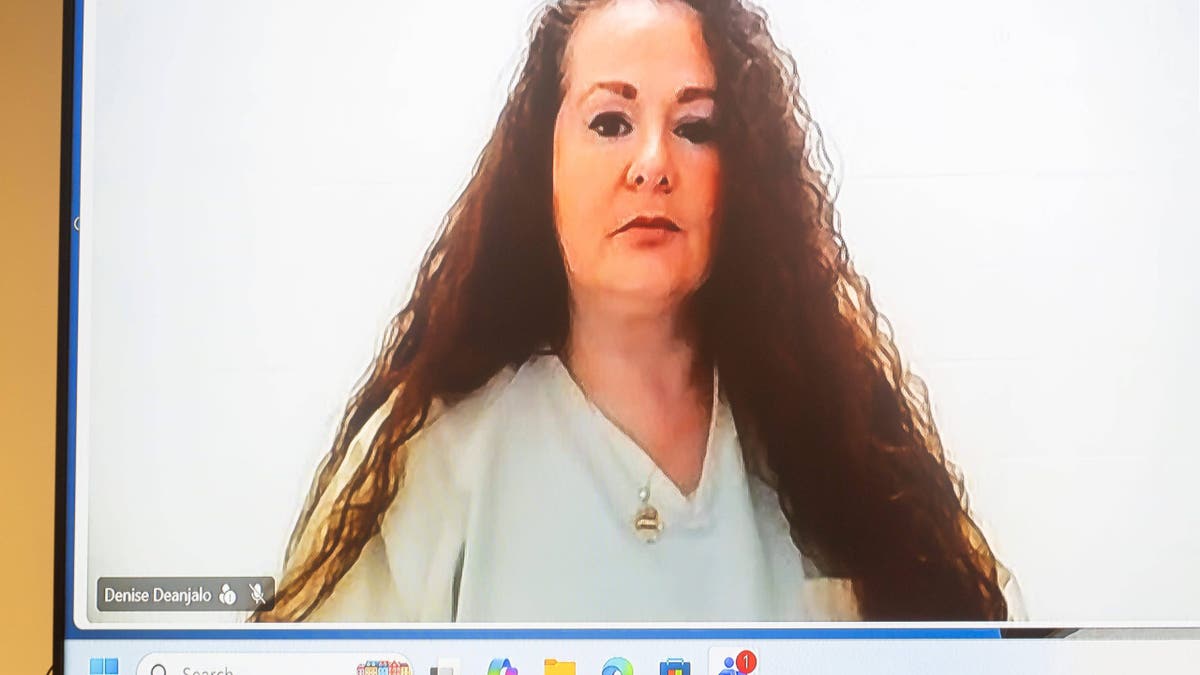
Christa Gail Pike appears remotely from the Debra K. Johnson Rehabilitation Center during a hearing in Knox County Criminal Court in Knoxville, Tennessee, on Aug. 11, 2026. (USA TODAY Network via Reuters Connect)
Her statement came two days after Tennessee Gov. Bill Lee said Pike remains in state custody under Tennessee law and indicated that her death sentence was unlikely to be altered.
Pike’s lawyers have asked Lee to commute the sentence to life in prison without parole following the failed execution.
Pike said she is recovering but remains in the infirmary at the Debra K. Johnson Rehabilitation Center, where she has spent much of her time isolated from other people.
“I am recovering, and I know that I am getting stronger,” Pike said. “But healing is not the same as being okay.”
YOU MAY ALSO READ: Boston Begins Scaling Back Reparations Task Force Plans
“Since that night, I have been largely isolated in the prison’s medical ward, away from other people and the human connections that mean so much to me,” she added. “That isolation brings its own kind of pain. I spent 28 years in solitary confinement, and much of what I am experiencing today is a repeat of that condition.”
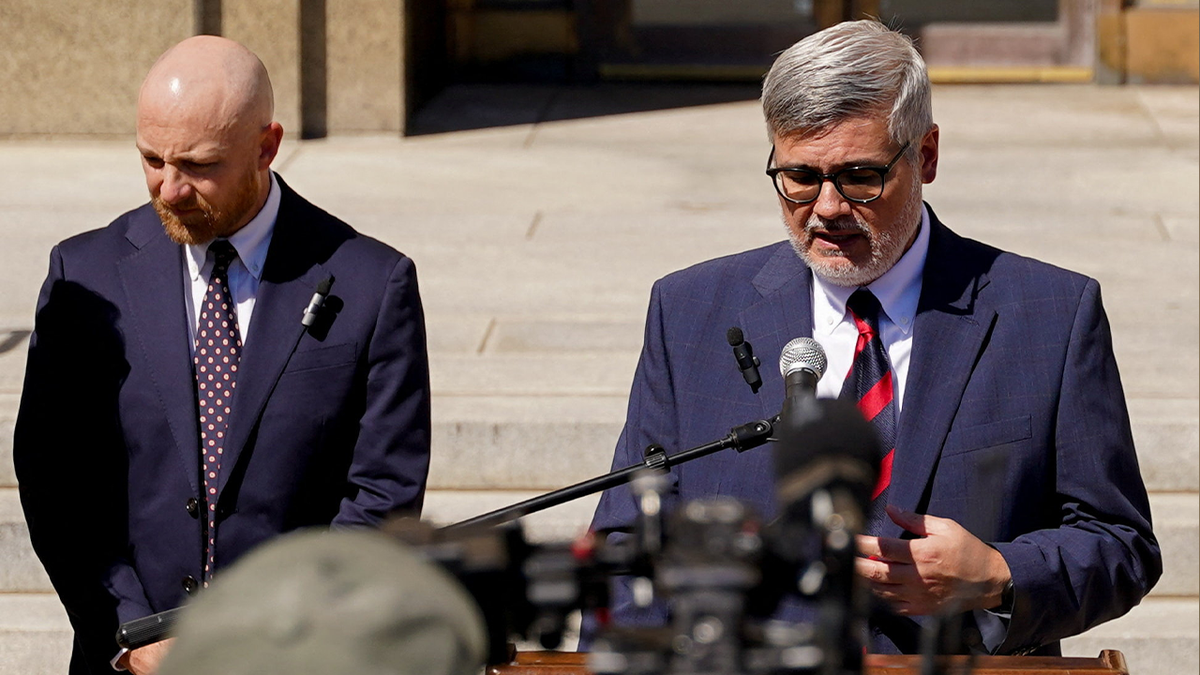
Randy Spivey, an attorney for Christa Pike, speaks with reporters outside a Nashville courtroom on Oct. 7, 2026, alongside Luke Ihnen. The court had received an update on Pike, the death row prisoner who survived a botched execution. (Reuters/Seth Herald)
Pike survived Tennessee’s Sept. 30 lethal-injection attempt after receiving two doses of pentobarbital. She was then taken to a hospital.
She remained unconscious for several days. At one point, her attorneys believed she was brain-dead and expected doctors to withdraw life support. Pike eventually regained consciousness, was released from the hospital and returned to prison.
Her lawyers later said she could walk and speak in complete sentences.
Pike’s survival reignited a decades-old legal battle over her death sentence, including whether Tennessee has the authority to try to execute her again.
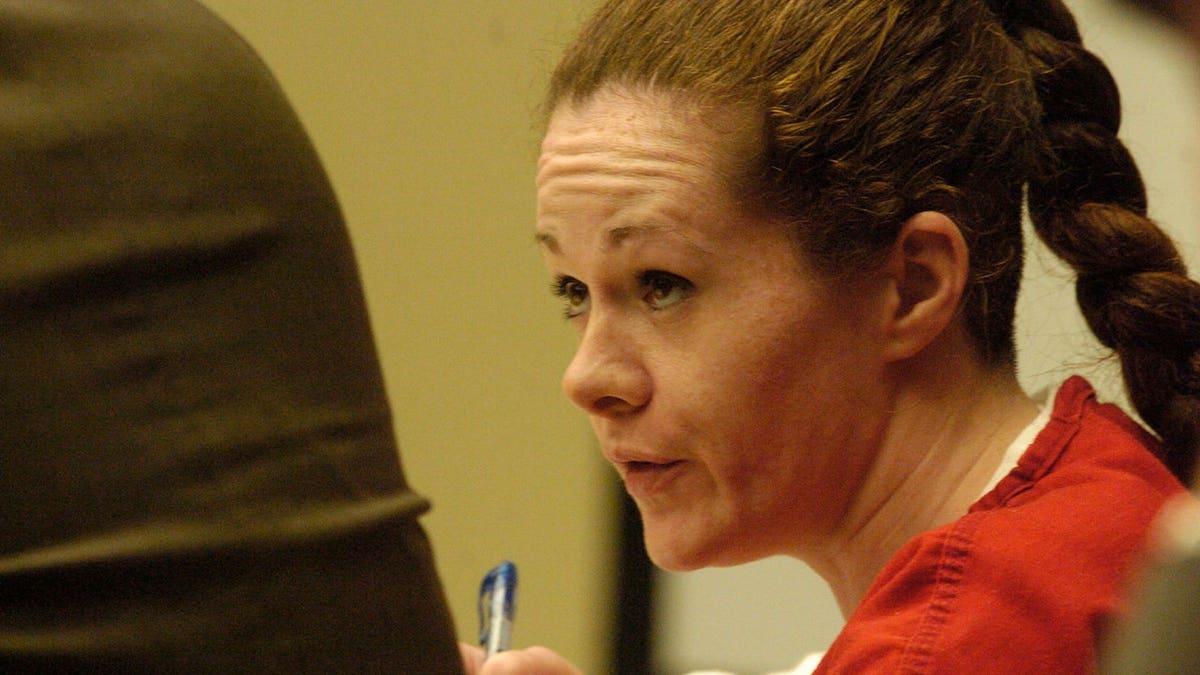
Convicted killer Christa Gail Pike listens to proceedings in Knox County Criminal Court in April 2008 during an effort to secure a new trial in the 1995 killing of fellow Job Corps student Colleen Slemmer. (USA TODAY Network via Reuters Connect)
Pike was 18 when she, her 17-year-old boyfriend Tadaryl Shipp and 19-year-old Shadolla Peterson were charged in Slemmer’s killing. All four were enrolled in Job Corps at the time.
According to the case, the three took Slemmer to an isolated area of the University of Tennessee’s Knoxville campus. Prosecutors said her throat was cut repeatedly, she was struck in the head with a large piece of asphalt and a pentagram was carved into her chest.

A split image shows Christa Pike at her 1995 murder trial, left, and Colleen Slemmer, the young woman Pike was convicted of torturing and killing, right. (Reuters)
Pike later admitted her role in the killing. She was convicted and sentenced to death in 1996, and the Tennessee Supreme Court subsequently upheld both the convictions and the sentence.
After the failed execution, Lee paused Tennessee’s remaining executions for the year and ordered an independent investigation into what went wrong.
Pike said Friday that she is still struggling to understand how she survived.
“I don’t know why I survived that night. I don’t know what comes next,” she said. “Some days, finding hope is harder than others. For now, I am trying to heal, one day at a time. And I am holding on to the love and kindness of so many people who have reminded me that I am not alone.”


