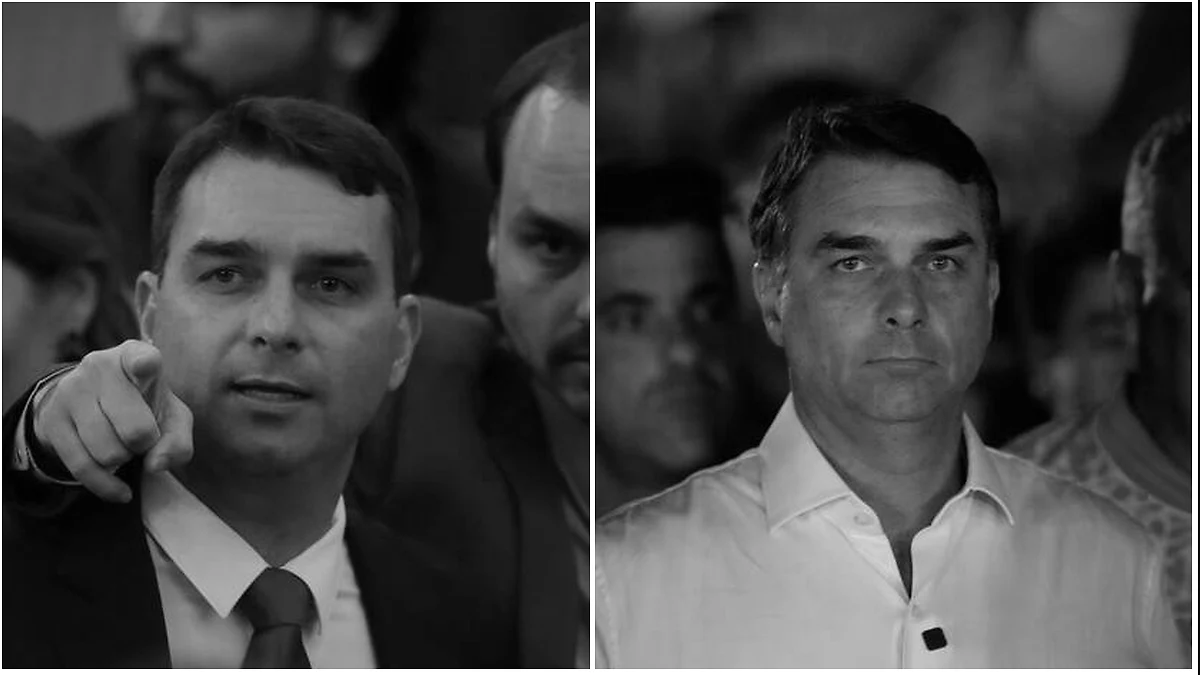


RIO DE JANEIRO – Brazil’s political meme machine has gone into overdrive following Sunday’s election, in which President Luiz Inácio Lula da Silva defeated Flávio Bolsonaro, who left the country soon after conceding defeat.
Social media played a major role in Lula’s victory. The Brazilian left mounted an unprecedented digital mobilization that became a decisive force in the vote. Bolsonaro, who is being investigated on allegations including money laundering and corruption, said Monday that he had no plans to leave Brazil. He departed shortly afterward.
The astonishing chain of events sent Brazil’s legendary meme culture into overdrive, with artificial intelligence adding even more fuel. Across several social media platforms, the resulting posts drew hundreds of thousands of likes and shares.
“Brazilians approach serious issues with lightness, irony and humor,” said Carolina Terra, a professor at the University of Sao Paulo’s communications and arts school. “Anything highly relevant and important, whether political or not, tends to become a meme and then go viral.”
“Goodbye, homeland and family”
“Where is Flávio?” internet users asked, portraying former President Jair Bolsonaro’s eldest son as Waldo, the elusive character from the popular children’s puzzle-book series.
In one meme, titled “Which costume would you wear to flee?”, Bolsonaro appeared in a series of disguises, including a Rastafarian, Mario, former soccer star Ronaldo and John Lennon.
Another featured “Flyvio Bolsonaro” as the pilot of “Fly 22 Airlines,” a play on the number 22 that Brazilians who supported him entered into electronic voting machines.
The 45-year-old ally of U.S. President Donald Trump arrived in Miami on Wednesday and published a letter declaring himself Brazil’s “true president-elect” — language he later toned down to “leader.” He alleged, without presenting evidence, that the election had been fraudulent. He also compared himself with figures including Charles de Gaulle, who led the French resistance from London during World War II.
Posted on X, the letter displayed a coat of arms that called Brazil the “United States of Brazil,” rather than the “Federative Republic of Brazil,” the country’s official name since 1967. It also misspelled the nation’s name in Portuguese, using the English “Brazil” instead of “Brasil.”
Some Brazilians received mock “invitations” to Bolsonaro’s inauguration as president of the “United States of Brazil.” The invitations were signed by the cartoon character Goofy and featured Disneyland in the background.
Other users humorously proclaimed themselves a range of figures, from the King of Soccer — a nod to Pelé — to the president of Brazil.
Social media users also twisted the slogan “God, homeland and family” into “Goodbye, homeland and family.”
The memes have a cathartic role
Several memes borrowed imagery from well-known films. In an AI-altered version of the “Catch Me If You Can” poster, Leonardo DiCaprio was replaced by Bolsonaro and Tom Hanks by Supreme Court Justice Alexandre de Moraes, who ordered Bolsonaro’s passports canceled Sunday night.
Another altered the “Home Alone” poster, casting Flávio and his brother Eduardo — who also lives in the United States — as the burglars in the background. Jair Bolsonaro appeared in the foreground, wearing a red sweater and looking stunned.
A third meme drew on “Dark Horse,” a biographical and propaganda film about Jair Bolsonaro.
Flávio Bolsonaro is being investigated on allegations of corruption, money laundering and tax evasion after allegedly receiving millions of dollars from a disgraced banker to fund the film. The meme imagined a sequel, “Dark Horse 2,” showing Bolsonaro on horseback, wearing a presidential sash and racing along a highway toward an airport. “The fugitive is different,” the poster declared, echoing the elder Bolsonaro’s departure for Florida after losing the 2022 election and refusing to concede. He was later sentenced to 27 years in prison for attempting a coup.
Fewer political memes appeared in Brazil during this year’s campaign because the first-round race offered fewer opportunities for parody, said Viktor Chagas, a professor at Fluminense Federal University and coordinator of the Colab research group, which studies political memes. The two leading candidates did not participate in debates.
The two debates held before the runoff generated more memes, Chagas said. Even so, the three-week period was dominated by intense political tension.
“The memes about Bolsonaro’s departure to the U.S. have a cathartic element” for Lula supporters, Chagas said. “The idea is: Now that we’re back on track, so to speak, we can laugh together.”
___