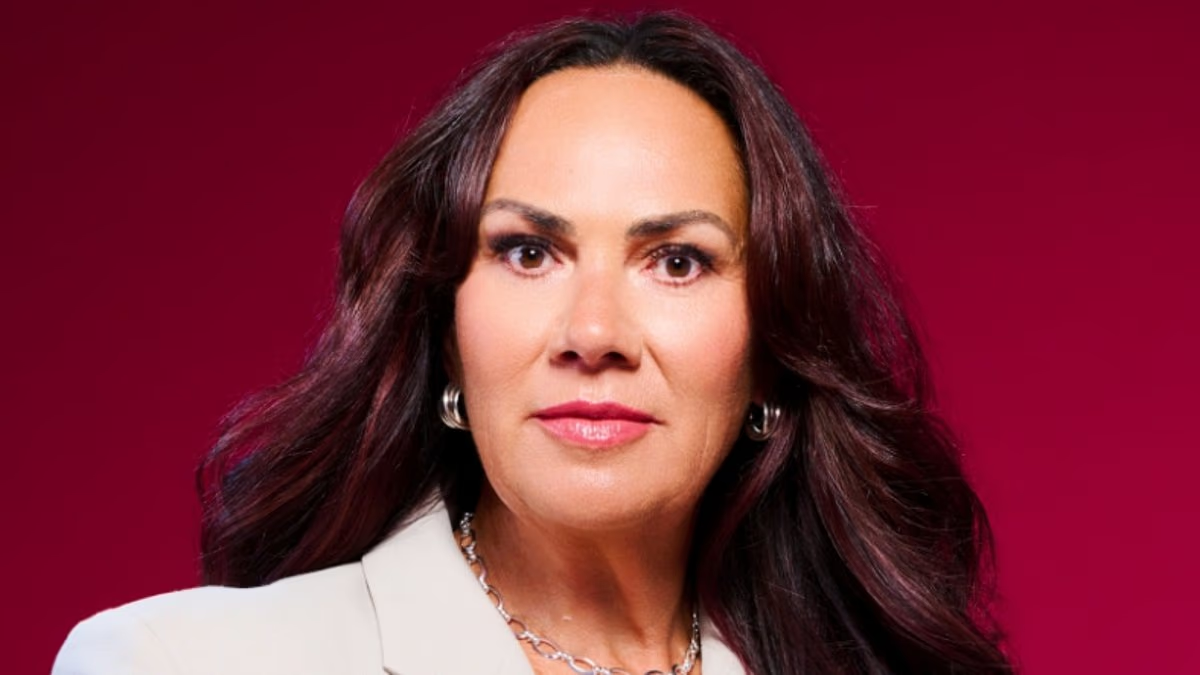

I was alone at home when I finished two bottles of white wine and collapsed into a heavy, drunken sleep. Then, at 2am, I woke with bile rising into my throat.
Somehow, I reached the bathroom, where I vomited stomach acid streaked with vivid red blood.
Once the alcohol had left my system, I felt the familiar relief that followed being sick. I had been drinking at least a bottle of wine every night for decades and, on evenings out with friends, as many as three. Vomiting after drinking was nothing new to me.
The blood, however, was. It happened two years ago and was deeply alarming. You might think that, at 53, it would finally have forced me to confront my dangerously unhealthy relationship with alcohol.
But it didn’t. I lay awake imagining a stomach ulcer, internal bleeding or even cancer. Yet by 6pm the next day, I opened another bottle of sauvignon blanc without a second thought.
I now understand that people who become dependent on alcohol can be remarkably skilled at deceiving themselves. I was a highly successful IT manager with a loving husband and a comfortable home, so I did not recognise myself in the word ‘alcoholic’.

Leisel had spent decades drinking at least a bottle of wine a night and initially didn’t stop when she saw blood in her vomit

Leisel quit drinking after finding an online article on ways simply to reduce alcohol consumption
Whenever I worried about what drinking might be doing to me, I would open another bottle and keep pouring until I was too intoxicated to think clearly. I was too frightened to visit my GP in case I was questioned about how much I drank. I did not even tell my almost teetotal husband, Clive. I felt humiliated that, in my 50s, I was drinking until I vomited.
Eventually, I began treating the splash of red in my vomit as just another unavoidable consequence of drinking, no different from a hangover.
That changed one Monday morning in April this year, when I woke up and realised I had almost emptied an entire box of wine — the equivalent of four bottles.
By then, I had switched from bottles to boxes because they made my drinking easier to conceal. Cardboard did not clink in the recycling bin and alert the neighbours on collection day.
Relatives had visited our home in Ipswich, Suffolk, for Sunday lunch. Apart from the single glass I poured for a guest, I had drunk the whole box. With my head pounding and nausea churning in my stomach, I finally admitted that I could no longer pretend my drinking was under control.
I went back to bed — something I would never normally have done — and sobbed into my pillow. I knew I had crossed another line and had to take back control.

The IT manager came close to losing her job when she was found asleep, head on desk, after a particularly boozy lunch
Even then, I did not want to talk to Clive until I had worked out what I was going to do.
The idea of giving up completely terrified me. How would I relax, have fun or celebrate without alcohol?
Instead, I searched online for ways to drink less. A Google search led me to an article about a professional woman who had overcome alcohol dependency through a sober coaching programme called Just The Tonic Coaching, so I visited its website.
The programme was expensive, but so was my wine habit. Most importantly, it focused on regaining control rather than stopping forever — a prospect that felt far too frightening at that point.
The programme combines online one-to-one and group coaching. Participants learn about alcohol’s effects on the brain and body, as well as the subconscious beliefs that can shape the way we drink.
The encouragement from the coaches and from other people trying to stop or cut down proved invaluable.
It was founded by former corporate high-flyer Sandra Parker, and its members include professionals ranging from barristers to doctors. Like me, they had developed an unhealthy psychological dependence on alcohol, rather than what I understood to be a physical dependency.
A few weeks into the three-month course, Sandra explained that after about eight weeks we would be asked to complete a 30-day sober challenge. Had I known that at the beginning, I might have panicked. By then, however, I had reduced my intake from bottles to a couple of glasses and was managing two alcohol-free days each week.
At 6pm, the time when I would once have been popping a cork, I began playing my favourite music and dancing, or running a bath and reading while I soaked.
By the time I had finished, the craving had usually passed. It showed me that the urge was often a habit linked to a particular time of day, exactly as Sandra had explained.
My drinking had been largely uncontrolled for 40 years. I developed a taste for red wine at 15, when I worked in a local pub run by an Italian family.
I was always ambitious and built a career in financial IT for banking and insurance companies, but in my teens and 20s I drank heavily while going clubbing and during nights in with friends in Colchester, Essex.
During my 30s, I commuted to London and held management positions in the City, where drinking was part of the culture. Like many people who appear to function normally despite alcohol dependence, I continued to meet deadlines and perform well, even when hungover.
There was one occasion when I came close to losing my job. After an especially alcohol-heavy lunch, I was found asleep with my head on my desk.
I persuaded the HR manager that it had happened because I was struggling with problems in my personal life. She believed me and no further action was taken.
Not long afterwards, I accepted a better job elsewhere and left.
For more than ten years, I would drink after work before taking the late-night train from London to Colchester — what I called the ‘vomit comet’. I fell asleep and missed my stop so often that I would have to pay for a taxi from wherever I ended up.
One particularly memorable night, when I was 40, I woke alone in a completely dark carriage in the sidings at Norwich station, around 90 minutes from home.
A female driver opened her door and fortunately noticed me moving. It was 1am, and I was terrified, disorientated and sitting alone in the darkness. In tears and deeply ashamed, I explained that I was supposed to have got off at Colchester. She told me: ‘I’ve just been instructed to take this train to Ipswich, so I can drop you back.
‘I’m not meant to have passengers on board, though, so the lights will remain off and you’ll have to keep your head down.’
I was mortified when she had to wake me from my drunken sleep after we finally reached Colchester.
Although none of my colleagues or friends ever challenged me about my drinking, my parents were concerned. I was single until meeting Clive ten years ago, and they had seen enough to worry.
In my early 40s, I remember calling my mother one winter evening as I made my way home. My parents lived in a small town about 15 miles away, and I was sitting on a bench outside Colchester station. After we ended the call at around 11pm, I must have fallen asleep.
Half an hour later, I woke covered in snow as my phone rang. It was Mum, worried because I had promised to message her when I got home.
YOU MIGHT ALSO LIKE: El Salvador-Backed Airstrike Destroys Haiti Gang Headquarters as Troops Remain Missing
When my parents tried to discuss their concerns, I shut them down. ‘You don’t know what you’re talking about,’ I would say. ‘Everyone drinks. I’m healthy, and all your criticism does is make me want to pour another glass of wine.’
I met Clive on a golfing holiday, where he was drinking more than usual.
Once we were home, he told me that he did not particularly enjoy either the taste or the effects of alcohol and could easily take it or leave it.
I was surprised, but also relieved that he did not comment much on my drinking during the early years of our relationship.
He was always happy to drive when we went out, which suited me perfectly.
Around then, I moved into a job that allowed me to work from home, and we settled in Ipswich. You might expect that to have reduced my drinking. Instead, I simply moved most of it from social settings into the house.
My nightly intake rose from one bottle of wine to two.
Clive is out four evenings a week playing crib, poker, darts and snooker with friends. As we have no children, I was often drinking alone.
He is easygoing and never nagged me, although he now says he could not predict who would walk through the door when he came home: sleepy Leisel, looking for attention, or my lively alter ego, ready to go dancing.
Because I drank so much while Clive was out or already in bed, he did not fully realise the scale of it.
On a few occasions, when I was frightened by how much I had been drinking, I told him I wanted to cut down. He was supportive and offered sensible suggestions.
But whenever I reached for a second bottle and he asked whether I had not already had enough, I wished I had never confided in him.
If anyone — particularly Clive — suggested I had a problem, I became defensive, withdrawn and moody.
He has since told me that my reactions made him stop mentioning it altogether. Inevitably, my drinking placed pressure on our marriage.
Two years ago, I even left Clive and checked into a country hotel. I made the decision while drunk, then stubbornly carried it out after I had sobered up.
I told him I was tired of being spoken to like a child and accused him of being no fun.
After four days, I returned home with my tail between my legs. I had missed him terribly, although I blamed the menopause for my outburst.
Looking back, I can see how hard it must have been to live with someone who was intoxicated every night, forgot conversations and repeated herself constantly.
By the end of my 30-day sober challenge, I was surprised to discover that I did not feel bored or deprived. Instead, I realised I was much happier without alcohol.
I experienced no withdrawal symptoms, although I continued dancing and running baths after work.
Sleep was more difficult at first. I had become accustomed to virtually blacking out in bed, so falling asleep without alcohol took time.
Once the cravings and sleep problems eased, I experienced what recovery communities call the ‘pink cloud’ — a period of intense optimism and happiness during the early stages of sobriety.
It felt as though I was taking something. Nothing could dampen my mood. Life seemed blissful, light and wonderful, and I was full of energy.
I still socialise with friends. My best friend has been sober for years, and when I told my other friends they did not need to change how much they drank around me, they replied: ‘Leisel, we only drank that much because you were constantly refilling our glasses.’
My marriage has improved enormously too. Clive and I now enjoy walks and films that I can actually remember the next day.
How could I reach this point within months after four decades of using alcohol to numb sadness and lift my mood? Through the Just The Tonic programme, I learned to check in with my body whenever I wanted a drink and ask whether I was hungry, angry, lonely or tired — the four feelings summed up by the acronym HALT.
Even while I was cutting down, I felt noticeably better. I had more energy, became less irritable and lost more than a stone in six months.
Without the binges, I stopped waking up to vomit. I never told my GP about the blood in my bile, although I had no abdominal pain or other discomfort that might have suggested a physical problem.
I receive private health insurance through my employer and attend annual health checks.
I used to be terrified before each appointment, convinced the results would reveal the damage alcohol had caused. Yet my liver and kidney function were always within normal ranges, which I used to reassure myself that I could not be drinking excessively.
I also failed to connect my very high blood pressure, for which I was prescribed medication, with my drinking. I blamed my age, my weight — I had always been a size 16-18 and am now a size 14 — and the pressure of my career.
At my most recent check-up, four months after I stopped drinking, my blood pressure had fallen so much that I was taken off the medication. I had planned to retire in February, attributing the brain fog, tiredness and bloating I experienced to the menopause. In reality, I was often hungover or drunk.
I had worked hard and paid into pensions, so I could just about afford to retire.
But sobriety has given me a new lease of life and so much energy that I now want to continue working — something I enjoy — for a few more years.
I am sharing my experience because I know many women in midlife do not see themselves as alcohol-dependent, even though wine has become a crutch they cannot imagine living without. They assume life would be duller, more difficult and less rewarding without it.
For me, the opposite has been true. Life is richer, simpler and filled with unexpected happiness. I have even been able to gradually stop taking antidepressants, which I had used for years.
If I can learn to live happily without alcohol after 40 years of dependency, then others can do it too.
justthetoniccoaching.com
As told to Helen Carroll


