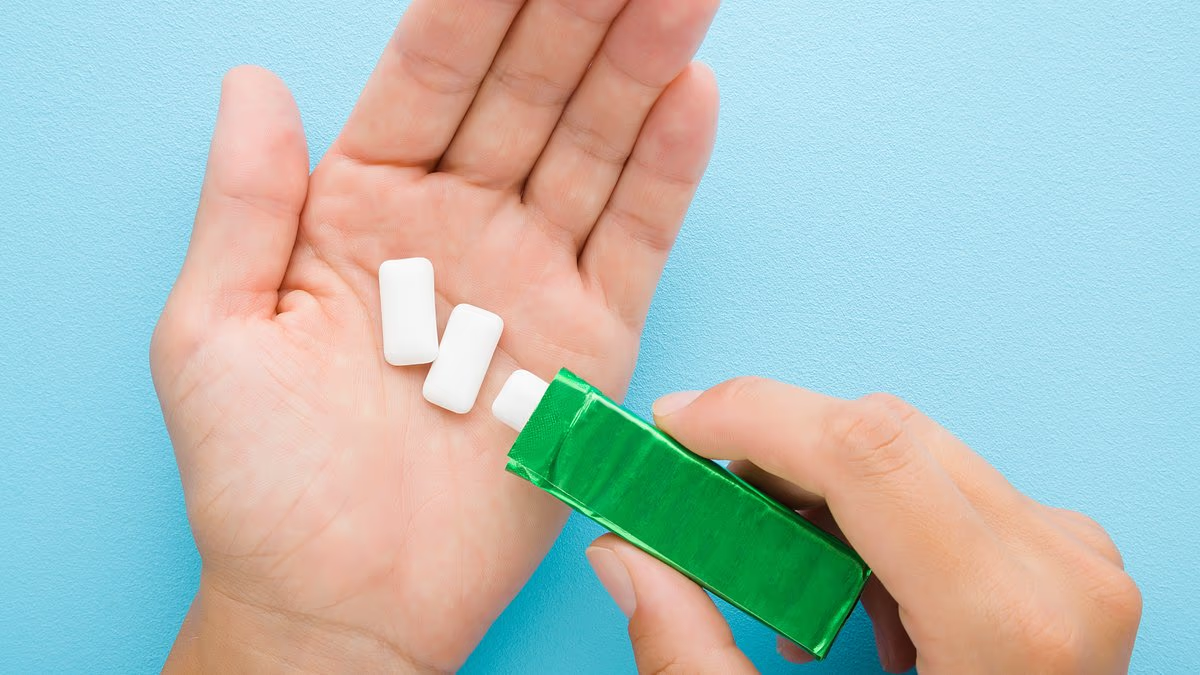

An experimental chewing gum cut levels of HPV, a virus linked to several cancers, by more than 90 percent in laboratory testing.
Human papillomavirus (HPV) is one of the most widespread sexually transmitted infections worldwide, affecting an estimated 85 percent of people at some point in their lives.
Most HPV infections clear naturally. However, some can remain hidden in the body for decades, gradually altering cellular DNA and increasing the risk of cancers including cervical, head and neck, and anal cancer.
Although HPV vaccination has become increasingly common over the past two decades, millions of Americans remain unvaccinated and may still be vulnerable to infection.
Researchers at the University of Pennsylvania have now tested a plant-based chewing gum designed to target HPV along with bacteria associated with cancer development.
For the study, scientists collected saliva and oral-rinse samples from patients diagnosed with head and neck squamous cell carcinoma, a group of cancers affecting the mouth, throat and tonsils.
In samples from cancer patients who had detectable HPV, compounds released by the gum reduced viral levels by 80 percent in oral-rinse samples and by 93 percent in saliva samples.
A single treatment also reduced levels of two cancer-associated bacteria by more than 99 percent.

University of Pennsylvania researchers are developing a chewing gum designed to reduce HPV, which is linked to a substantial share of oral cancers
The gum also preserved some beneficial bacteria in the mouth that are known to help defend against harmful pathogens.
The research team plans to advance the technology to human clinical trials, with the goal of developing an affordable and accessible option for people at risk of head and neck cancer.
‘Lip and oral cavity cancer was the seventh leading cancer type worldwide for both incidence and mortality among adolescents, young adults and middle-aged adults in 2022,’ said Dr Henry Daniell, the study’s lead author from the University of Pennsylvania’s School of Dental Medicine.
‘Our findings support advancing these therapies into clinical trials, either as additions to existing treatments or as prophylactic tools to prevent infection and transmission.’
Prophylaxis refers to steps taken to prevent an infection or disease before it develops.
HPV is linked to roughly one in four head and neck cancers overall. It is also associated with 60 to 70 percent of oropharyngeal cancers, which affect the back of the throat, tonsils and base of the tongue.
The virus is responsible for nearly all cervical cancers and contributes to many anal, vaginal, vulvar and penile cancers.
According to the National Cancer Institute, the United States records about 72,000 new cases of head and neck cancer and 17,000 related deaths each year.
The University of Pennsylvania study, published earlier this year in Scientific Reports, examined two chewing-gum formulations made with powder extracted from lablab beans.
One formulation contained Flt3 receptor-interacting lectin, a plant compound intended to target HPV particles. The other used the peptide protegrin-1 to target Porphyromonas gingivalis and Fusobacterium nucleatum, bacteria associated with oral cancer.
Researchers collected samples from 44 patients with head and neck cancer and used them to evaluate extracts released from the gum.
The tests showed reductions of up to 90 percent in HPV-16, the leading high-risk HPV strain and a major cause of cervical and oral cancers. The targeted bacteria fell by more than 99 percent.
Unlike more aggressive approaches such as radiation therapy, the gum’s compounds continued to spare beneficial bacteria and did not appear to promote the growth of other pathogens.
However, the findings came from applying gum extracts to patient samples rather than giving the gum directly to patients. The researchers emphasize that further studies are needed before its effectiveness and safety can be evaluated in people.


