
As an economist, I hear the same question almost everywhere I go: “Why has the Reserve Bank of Australia raised interest rates five times this year? Don’t policymakers understand how much pressure households are already under?”
Small businesses are feeling the squeeze too. Consumers are cutting back, borrowing has become more expensive and about half of small-business debt is tied to home loans, meaning many operators are being hit by higher rates on both fronts.
The public frustration has fuelled calls to sack the RBA, while social media users have dismissed the rate increases as “a bad joke”.
Yet there is a serious risk in believing the battle against inflation is being lost: the more Australians expect prices to remain out of control, the more likely the RBA may be to consider another rate rise in the months ahead. Here’s why.
The psychology behind rising inflation
Research into inflation psychology suggests Australia is in a precarious position.
When prices rise, people may expect them to climb even further and bring forward purchases. That can make goods and services scarcer, adding more pressure to prices and reinforcing the cycle.
In other words, high inflation can become a self-fulfilling expectation.
Research published this month in the American Economic Review found that US consumers tend to pay limited attention to inflation below about 4 per cent. Earlier studies from other regions, including the European Union, have reached similar conclusions.

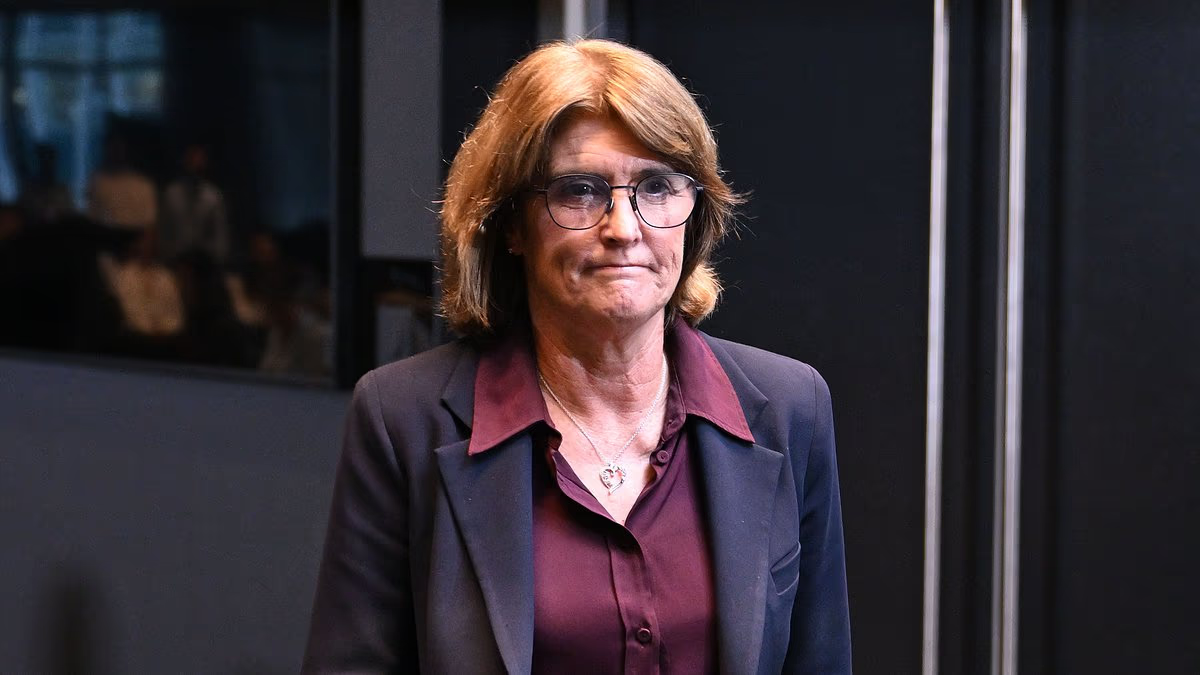
The more Australians believe inflation is slipping out of control, the greater the pressure on the RBA to consider another rate rise. Pictured: RBA Governor Michele Bullock

Headline inflation, also known as the consumer price index or CPI, stands at 4.3 per cent
Once inflation moves above 4 per cent, however, consumer attention roughly doubles and inflation expectations begin rising alongside it.
With headline inflation, or the consumer price index, at 4.3 per cent, Australia has remained above that psychological threshold for much of the year.
What higher inflation could mean for wages
At the same time, CPI inflation of 3.5 per cent or more — as it is now — can activate clauses in some Australian enterprise bargaining agreements that allow workers to seek a one-off cost-of-living payment.
If inflation above 3.5 per cent starts to look permanent, businesses may have to prepare for stronger wage claims.
Past experience suggests companies may then raise prices to offset higher labour costs. That can set off a “wage-price spiral”, in which wages and prices continue pushing each other higher.
The risk is lower than it once was, however. Workers have less bargaining power, union membership has declined and wage negotiations occur less frequently.
The RBA’s “nightmare” scenario
When businesses believe the RBA is on course to control inflation, they are less likely to raise prices aggressively.
The real danger emerges when employers and employees no longer believe inflation can be brought back under control.

Higher interest rates cannot curb every source of inflation, including global oil prices (stock image)

For the second consecutive month, Australian households said they expected inflation to reach 5.3 per cent over the next year
CHECK THIS OUT: Susan Watford’s Adoptive Mom Warned Her Before Cruise Murder
RBA Deputy Governor Andrew Hauser recently warned that an increasing number of businesses believe “3 per cent, 3.5 per cent [inflation] is the new normal” — a situation he described as “the central banker’s nightmare”.
The RBA is aiming to keep underlying inflation within its target band of 2 to 3 per cent.
But inflation has remained above that range for the past five years and is now rising again.
Why public expectations matter
In another speech this month, Hauser outlined findings from four RBA surveys involving 12,000 Australians since the beginning of 2025.
The central bank continues to enjoy more public trust than any level of government.
Even so, the surveys show a sharp decline in confidence that the RBA can return inflation to its 2 to 3 per cent target.
That erosion of confidence began before the latest official data showed inflation was higher and more persistent, and before the November rate increase.

Meg Elkins, associate professor of economics at RMIT University
The Melbourne Institute’s latest consumer survey, released late last week, found that inflation expectations have been climbing since July.
For the second month in a row, Australian households said they expected inflation to reach 5.3 per cent over the coming year — above the current rate.
What history tells us about interest rates and inflation
As RBA Governor Michele Bullock has acknowledged, higher interest rates cannot address every form of inflation, including price shocks caused by global oil markets.
The RBA estimates that the rate increases delivered in 2022 reduced household spending by between 0.4 and 0.8 per cent a year, while business investment fell by 4 per cent. Both effects helped reduce inflation.
The drawback is that monetary policy works slowly. Other RBA research indicates the impact of higher rates on inflation reaches its peak one to two years after the increases occur.
Raising interest rates is the main economic lever available to the RBA for reducing inflation. It does work, but the tool is imperfect and its effects take time to appear.
A possible reprieve before Christmas
The RBA’s next interest-rate decision is due on December 8.
Financial markets, which are generally effective at anticipating the RBA’s decisions, are overwhelmingly pricing in no change before Christmas. That is the immediate good news.
The major banks are also predicting that rates could begin falling again as early as August next year.
However, if future surveys show Australians still believe inflation is out of control, the RBA has not ruled out another increase.
NEXT UP: Cornell Fraternity Members Accused of Student Gang Rape: Messages