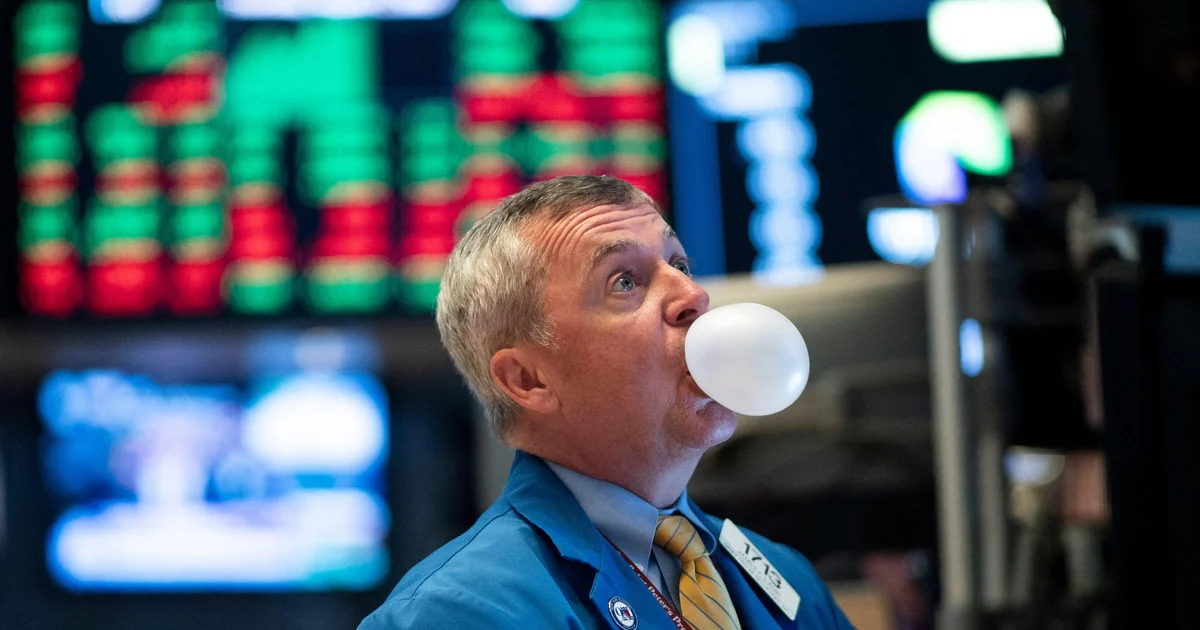
The U.S. economy is accelerating, with new figures showing gross domestic product expanded at a remarkable 4.3% annualized rate in the third quarter. Yet investors are reacting with alarm, sending stocks on a turbulent ride and putting fresh pressure on 401(k) balances.
The market unease reflects a volatile mix of inflation, interest rates and Federal Reserve policy. At the same time, Wall Street is growing increasingly concerned that the artificial intelligence boom may be heading toward a painful reversal.
Wednesday’s trading offered a vivid snapshot of the fragile mood. Major indexes plunged by more than 1,000 points in the morning before recovering much of the decline later in the session. The next move for stocks remains difficult to predict.
The S&P 500 is now roughly 8% below its latest peak, reached on Oct. 6, leaving the benchmark within striking distance of a correction—a drop of at least 10% from a recent high.
Also Wednesday, the Bureau of Economic Analysis significantly upgraded its estimate for third-quarter growth, raising it from the earlier projection of 3.4%. Consumer spending remains resilient, while corporate investment is surging as major technology companies pour money into data centers and other infrastructure needed to support AI systems.
Economic growth generally benefits Americans by supporting hiring and consumer demand. But rapid expansion can also create problems—particularly when inflation is already elevated.
“In the simplest possible words, the economy is overheated, with demand exceeding supply. The consequence is a blowout of the trade deficit and inflation,” HFE chief economist Carl B. Weinberg said in a research note.
How AI spending is adding to inflation
Inflation was driven largely by higher energy costs earlier this year. More recent indications, however, suggest that robust growth and massive AI-related investment are becoming more important sources of price pressure. Federal Reserve Bank of Chicago President Austan Goolsbee said last week that trillions of dollars in data-center spending were helping push national inflation to “borderline disturbingly high” levels.
Newly released inflation data showed consumer prices climbed 3.8% in October from a year earlier, accelerating from the 3.6% increase recorded in September.
The combination of strong growth and persistent inflation has virtually cemented expectations for a Federal Reserve rate increase at its December meeting. Economists are also considering the possibility of additional hikes in early 2027.
DISCOVER MORE: Recycling Firm Fined £100,000 Over 50ft Mountain of Rubbish
Why higher rates are rattling stocks
Expectations for higher interest rates are weighing on equities. More expensive borrowing could make it harder for AI and other technology companies to finance the computing capacity they plan to build. Consumers, meanwhile, are already coping with higher prices and could soon face steeper costs on credit cards, mortgages and other loans—another potential drag on spending.
“Households face renewed inflation pressures, diminished saving capacity and higher borrowing costs, while elevated interest rates are raising the cost of investment and financing across the economy,” EY-Parthenon chief economist Gregory Daco said in an email.
Investors are also questioning whether the enormous sums being spent on AI will ultimately generate sufficient returns, especially as many leading AI laboratories continue to report staggering losses. Anthropic, which last week recorded the largest initial stock offering in history, lost an alarming $104 billion during the first nine months of 2026. The company plans to spend nearly $1 trillion on chips and AI infrastructure through 2045.
“But the critical thing AI may never be able to do is make profits high enough to justify its declining, but still stratospheric valuations,” Boston University economist Laurence Kotlikoff wrote in a Wednesday blog post.
What investors can expect next
Some economists and market watchers are warning investors to prepare for additional weakness, at least in the short term.
“As investors saw last week, pessimism can build quickly and suddenly take the wheel of market momentum,” Ameriprise chief market strategist Anthony Saglimbene said in a research note. “And fear tends to feed on itself at these readings, as falling stock prices become the evidence that justifies more selling across the market.”
Financial experts generally caution against making impulsive moves during a market selloff, including abandoning stocks altogether. Selling after prices have fallen can lock in losses and leave investors unable to participate in the strong rallies that have often followed previous downturns.
Despite the market anxiety, the broader economy remains resilient and continues to support corporate expansion, said Doug Beath, global equity strategist at the Wells Fargo Investment Institute.
“We expect solid economic and earnings growth in 2027 to support our year-end S&P 500 target of 8,700,” he said.
EXPLORE MORE: Socialite Expecting Child With Meriton Heir a Year After Split From Musician


