
Share this @internewscast.com
On Wednesday, U.S. Central Command (CENTCOM) announced the relocation of ISIS detainees from northeastern Syria to Iraqi facilities. This move is part of a wider strategy aimed at preventing the resurgence of ISIS and ensuring long-term stability in the area.
According to CENTCOM, U.S. forces have transferred 150 ISIS fighters from a detention center in Hasakah, Syria, to a secure site in Iraq. Plans are underway to potentially relocate up to 7,000 detainees in total.
Adm. Brad Cooper, the commander of CENTCOM, expressed gratitude towards regional allies, particularly the Iraqi government, for their cooperation. “The secure and organized transfer of ISIS detainees is vital to preventing potential breakouts that could endanger the United States and regional security,” Cooper stated.
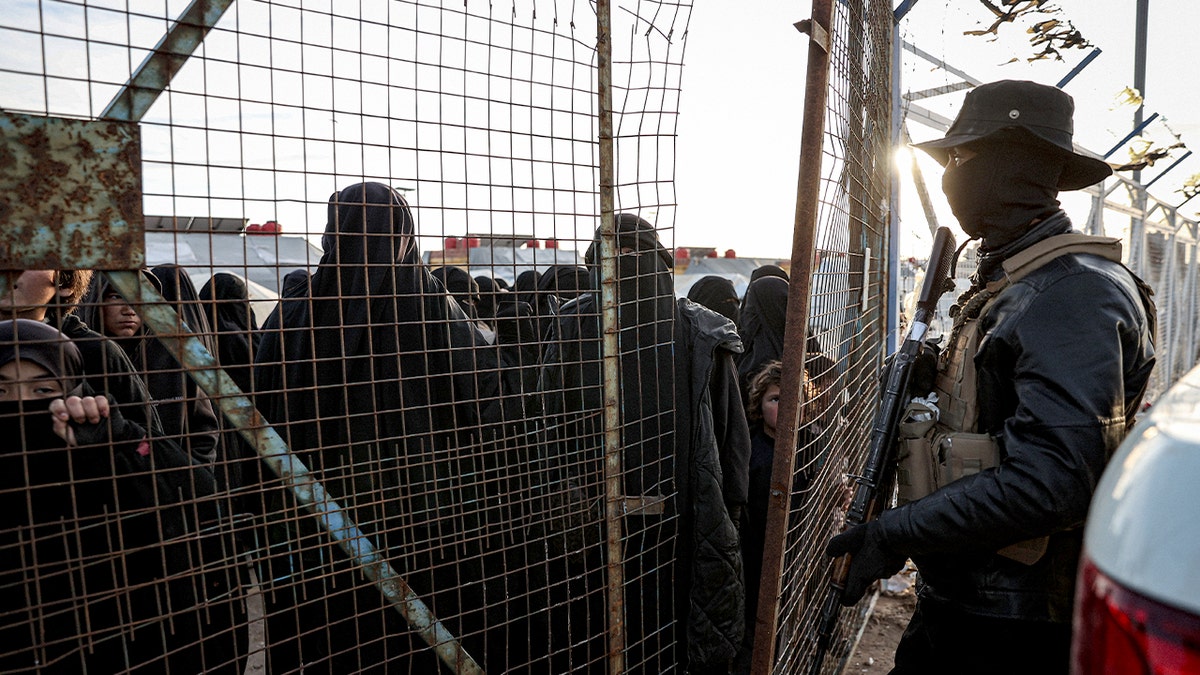
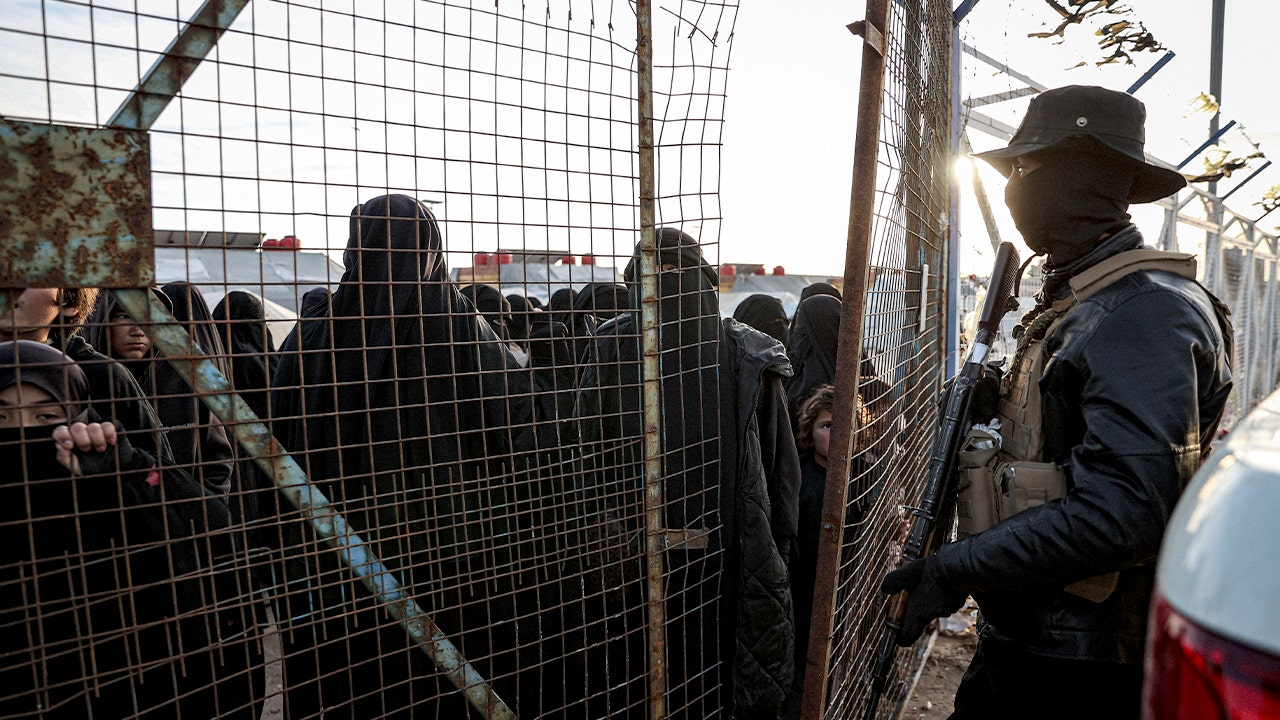
Photograph of al-Hol camp in Hasakah, Syria, where families associated with ISIS are detained, taken on Wednesday, January 21, 2026. (Photo by Izz Aldien Alqasem/Anadolu via Getty Images)
This announcement follows remarks by Tom Barrack, the U.S. ambassador to Turkey and special envoy for Syria, indicating that the Syrian government is ready to take over security duties, including managing ISIS detention centers and camps.
A 2025 report from the State Department to Congress highlighted that approximately 8,400 detainees linked to ISIS, originating from over 70 nations, are currently held in facilities managed by the Syrian Democratic Forces (SDF), with al-Hol camp being the largest among them.
Barrack helped broker a fragile four-day ceasefire agreement Tuesday between the new interim Syrian government, led by Ahmed al-Sharaa, and the Kurdish-led SDF, after escalating clashes threatened to spiral further.
The U.S. official said the Trump administration does not seek a long-term military presence in Syria, emphasizing the need instead for a continued focus on defeating remaining ISIS elements.
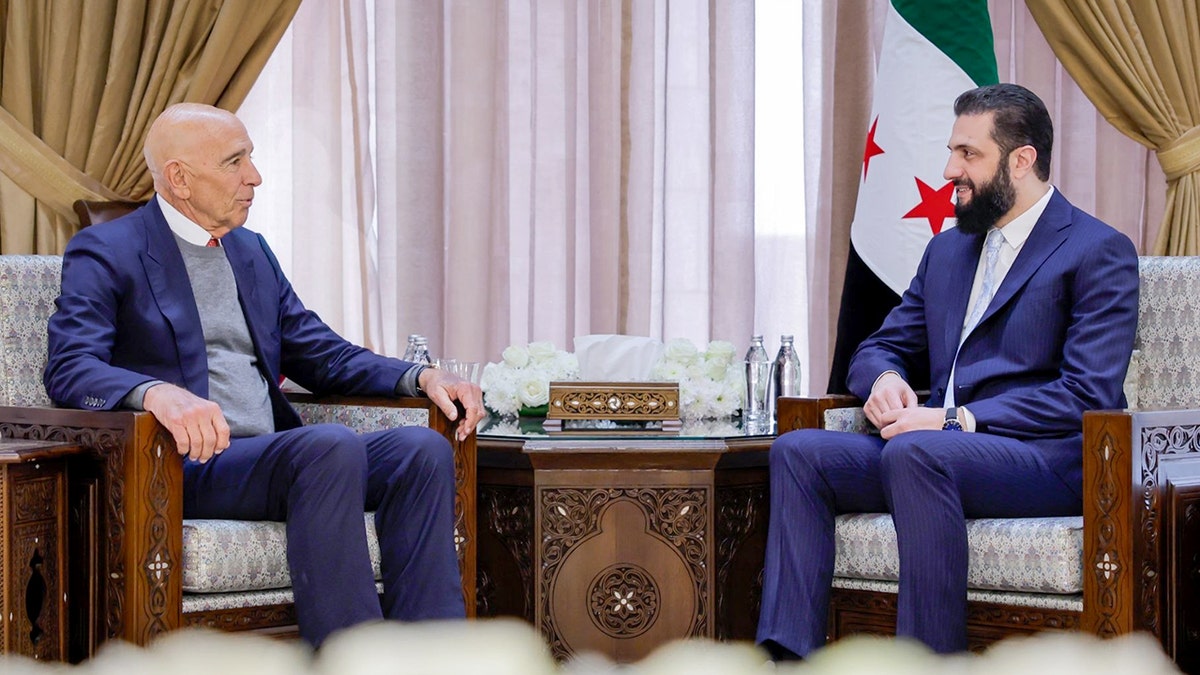
President Ahmed al-Sharaa meets with U.S. Special Envoy for Syria Thomas Barrack in Damascus, Sunday, Jan. 18, 2026. (Syrian Presidency/Handout/Anadolu via Getty Images)
“The deal integrates SDF fighters into the national military (as individuals, which remains among the most contentious issues), hand over key infrastructure (oil fields, dams, border crossings), and cede control of ISIS prisons and camps to Damascus,” Barrack wrote on X.
“This creates a unique window for the Kurds: integration into the new Syrian state offers full citizenship rights (including for those previously stateless), recognition as an integral part of Syria, constitutional protections for Kurdish language and culture (e.g., teaching in Kurdish, celebrating Nawruz as a national holiday), and participation in governance—far beyond the semi-autonomy the SDF held amid civil war chaos,” he added.
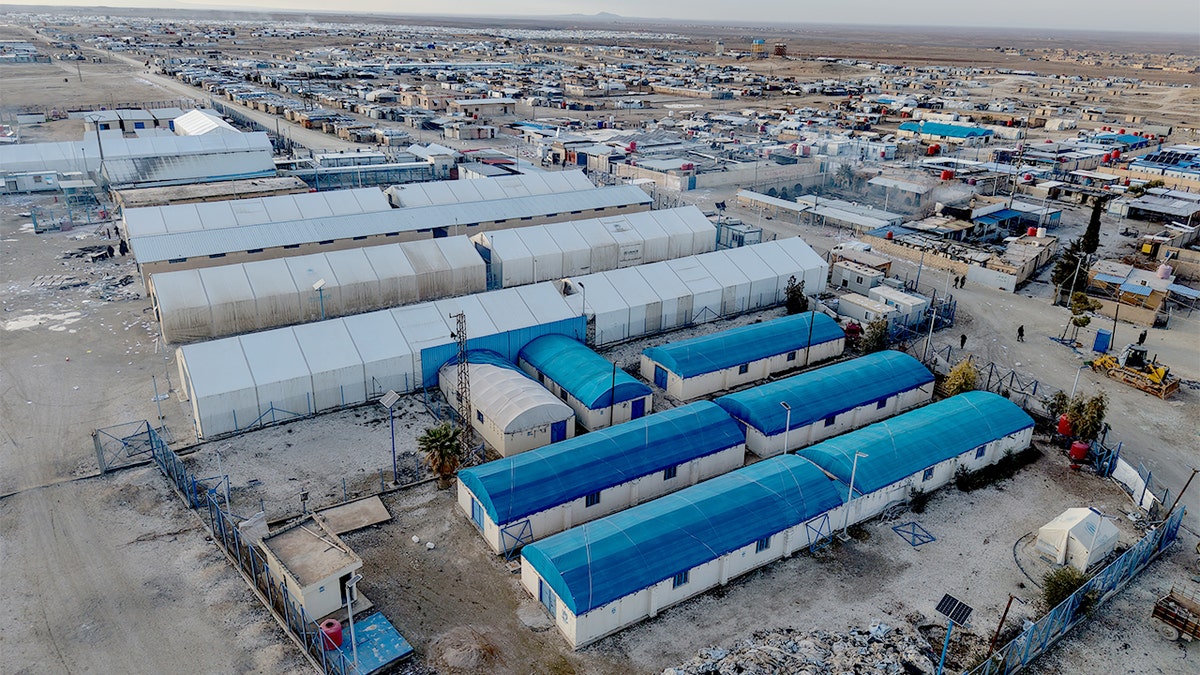
Hol Camp, where families linked to the Islamic State group are being held, in Hasakah, Syria, Wednesday, Jan. 21, 2026. (Izz Aldien Alqasem/Anadolu via Getty Images)
Syria’s Ministry of Interior said Monday that security forces had recaptured 81 of the 120 ISIS prisoners who escaped from the al-Shaddadi prison in the Hasakah countryside and were continuing efforts to track down the remaining escapees.
The interim government and the SDF have since traded blame over responsibility for the escape, which occurred amid heightened tensions over security arrangements in the region.