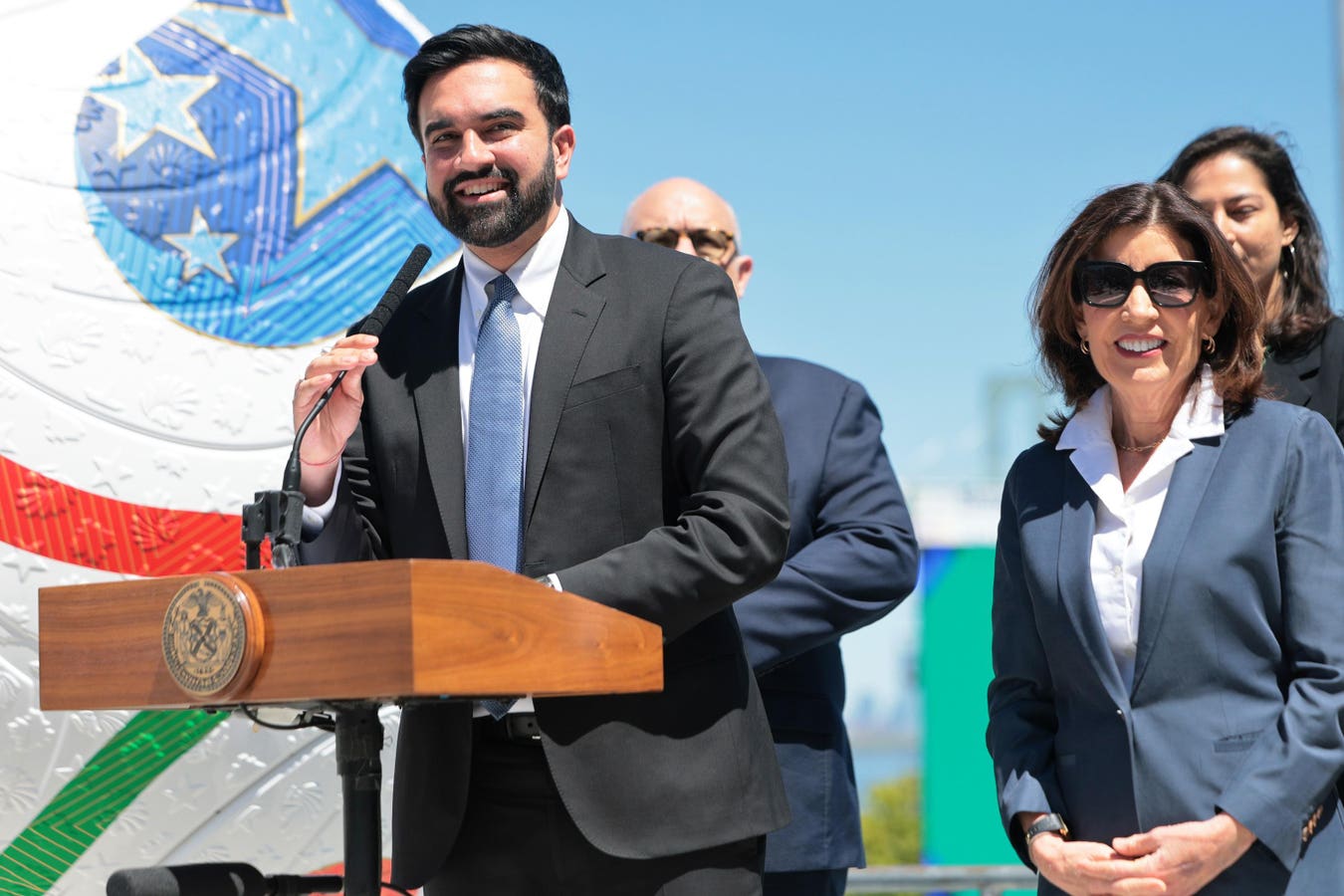


New York City’s Mayor, Zohran Mamdani, has successfully negotiated a rare deal with FIFA, securing 1,000 tickets priced at just $50 for matches at MetLife Stadium. These tickets, available through a lottery system, are exclusively for New York City residents.
In recent months, even the least desirable seats have been selling for exorbitant prices on FIFA’s resale platform during the group stage, making this discount as meaningful for its symbolism as for its financial relief.
The arrangement, initially reported by The Athletic, highlights three broader issues concerning the 2026 World Cup, which will be hosted by the United States, Canada, and Mexico: the rising cost of tickets has become a political sore point, and host cities like New York are beginning to challenge FIFA’s commercial practices.
The standout $50 ticket price is particularly notable given the current market rates. Originally, FIFA’s Category 3 tickets for games at MetLife Stadium ranged from $220 for matches such as Norway versus Senegal, up to $415 for a round of 16 game, with resellers often inflating prices to thousands. New York’s ticket allocation effectively brings prices back to a more accessible level reminiscent of sports events before their commercialization.
This is politically significant for New York, where Mamdani’s campaign last year focused heavily on affordability. Major sporting events traditionally depend on public resources and infrastructure, often becoming out of reach for the average citizen.
Mamdani’s initiative repositions the World Cup, beginning on June 11, as not just an opportunity to attract tourists, but as a community event with real engagement from locals. His narrative underscores this focus, prioritizing access and representation for everyday people over exclusive hospitality or VIP offerings.
This initiative allows Mamdani to frame the upcoming World Cup, which starts on June 11, not simply as a tourism opportunity, but as a civic event with tangible local participation. The rhetoric from Mamdani reflects that approach: Emphasizing access and working-class representation rather than hospitality packages or VIP experiences.
The deeper significance, however, lies in FIFA’s initial resistance. FIFA traditionally guards ticket distribution tightly because access is central to its revenue model. President Gianni Infantino has repeatedly highlighted the tournament’s projected $11 billion in revenue, and ticketing has become an increasingly important commercial pillar alongside sponsorship and media rights.
Even though these discounted tickets are technically coming from the regional host committee allocation — meaning FIFA itself does not directly lose revenue — the governing body reportedly worried about setting a precedent. The deal does not include the July 19 final.
That concern is understandable from FIFA’s perspective. If one city can create a subsidized local lottery below market price, why not Los Angeles? Why not Mexico City? Why not Toronto? Once exceptions become politically viable, the pressure spreads quickly.
New York had several advantages that made this possible. First, it has an unusually high-profile mayor (who is also a big soccer fan) willing to make the issue public and political. Second, the New York/New Jersey host committee appears financially capable of absorbing the lost value through sponsorship arrangements. Third, MetLife Stadium is hosting multiple knockout matches and the final, making the region strategically important for FIFA’s broader public image.
Most host cities do not have all three. Cities like Kansas City, Atlanta or Dallas may now face questions about whether they should negotiate similar community allocations. But reproducing New York’s model would require political appetite, sponsor support and leverage with FIFA. Some local organizing committees may also be reluctant to antagonize soccer’s world governing body during the final stretch ahead of the tournament.
There is also an important structural distinction: New York’s arrangement is not technically a public subsidy. According to those involved in negotiations, taxpayers are not covering the cost. That makes the politics easier. A city funding discounted World Cup tickets through public money would face backlash over priorities, especially amid housing or transit pressures.
Still, the optics are powerful because they highlight just how expensive it has become to attend a World Cup match. If New York’s ticket lottery becomes popular — especially if images emerge of ordinary residents attending matches who otherwise could not afford them — other mayors will face pressure to explain why their cities have not pursued similar deals with FIFA.
Clemente Lisi is the author of “The World Cup: A History of the Planet’s Biggest Sporting Event, 2026 Edition.”