

Static Media
What makes a post-apocalyptic movie feel “realistic”? No one alive today has experienced a true civilization-ending catastrophe, so there is no firsthand standard for comparison. Until humanity faces an event that wipes out most of the population, realism remains a matter of educated speculation.
Even so, it is possible to make informed guesses about how people might respond. Zombies and extraterrestrials are entertaining screen threats, but they are unlikely to be the forces that actually erase most of humanity. The most convincing post-apocalyptic films use plausible causes for collapse and concentrate on the psychological toll of surviving in a transformed world.
No one can predict the future with certainty. The real world could still take a turn worthy of the “Mad Max” franchise, complete with flame-throwing guitars and armored trucks. But for viewers seeking stories grounded in recognizable human behavior—even when the setting is a scorched and devastated Earth—these post-apocalyptic movies stand out.
The Road
Dimension Films
“The Road” presents one of cinema’s most unforgiving visions of humanity nearing extinction. Its premise is simple: a father (Viggo Mortensen) and his son (Kodi Smit-McPhee) cross an ash-covered wasteland, encountering the final survivors of society, some of whom have turned to cannibalism. As they search for a safer region, director John Hillcoat places them in an America stripped of plant life and nearly every sign of a functioning world.
The film never explains exactly what destroyed civilization. The audience sees only the aftermath. Unlike post-apocalyptic stories such as “WALL-E” and “Nausicaä of the Valley of the Wind,” which center on repairing a damaged planet, “The Road” offers little expectation of recovery. The father and son are focused on finding warmth, shelter, water, and canned food—not engaging in car chases or spectacular battles.
Many Reddit users call “The Road” one of the most realistic post-apocalyptic films because it emphasizes the exhausting, ordinary demands of survival after social order disappears. At its heart, however, the story is about a father trying to teach his son compassion in a world that has abandoned it. People are unlikely to transform into fearless action heroes during an apocalypse; more plausibly, they would be cold, frightened, hungry, and desperate for somewhere to rest.
Children of Men
Universal Pictures
“Children of Men” imagines an apocalypse without a spectacular final explosion. Rather than ending overnight through nuclear war or a zombie outbreak, the world’s institutions gradually deteriorate. Humanity has stopped producing children after a wave of infertility, and no babies have been born in 18 years. In the United Kingdom, a totalitarian government has taken hold, yet much of daily life continues with an unsettling sense of normality.
A narrow path toward renewal appears when the disillusioned Theo (Clive Owen) joins a mission to protect a pregnant woman—the first in years—and help her reach safety. The film’s realism comes from its closeness to the present: people lose faith when the future seems impossible to imagine, but even a small sign of hope can restore purpose. That blend of political unease and emotional realism is a major reason many viewers regard “Children of Men” as one of the greatest science-fiction films ever made.
“Children of Men” depicts humanity fading away rather than ending in a single dramatic catastrophe. There is no alien invasion or nuclear annihilation. People simply stop being born, and the species gradually disappears into the larger history of the universe.
The Survivalist
Bulldog Film Distribution
“The Survivalist” reduces the post-apocalyptic genre to its most basic necessities. While “The Road” and “Children of Men” explore devastated societies, this film confines much of its story to one isolated farm. Some unnamed disaster has stripped the world of its resources, leaving food and water as the only meaningful priorities. A lone survivalist (Martin McCann) sees his routine disrupted when Kathryn (Olwen Fouéré) and her daughter, Milja (Mia Goth), arrive.
The newcomers form an uneasy arrangement with him: they can remain on the farm in exchange for the survivalist having sex with Milja. In this world, compassion has become transactional and every stranger may represent a threat. Kathryn soon begins planning to kill the man, reinforcing that danger, but Milja ultimately wants to spare him when the chance arises.
Violence and sex may be the first instincts associated with humanity at its most desperate, but empathy is just as fundamental. Although the characters distrust one another, they begin protecting each other when outside dangers emerge. “The Survivalist” suggests that compassion is not necessarily a liability—and that even someone capable of securing food and water alone still needs human connection.
Right at Your Door
Roadside Attractions
A post-apocalyptic story does not have to depict the literal end of the planet. It can also portray the collapse of one person’s familiar life. The 2006 film “Right at Your Door” is among the genre’s quietest entries, yet its restrained approach effectively captures the confusion and panic that follow a sudden catastrophe.
After hearing that dirty bombs have exploded across Los Angeles, unemployed musician Brad (Rory Cochrane) returns home. As black plumes spread across the city, he tries to understand the crisis through fragmented radio reports. The situation becomes even more agonizing when his wife, Lexi (Mary McCormack), reaches the house and Brad refuses to let her inside because she may already be contaminated.
“Right at Your Door” focuses on the first, bewildering hours of a localized apocalypse. Information is scarce, official accounts are unreliable, and no one knows which decisions might save or destroy a life. Its claustrophobic tension comes from forcing ordinary people to make irreversible choices based on incomplete information—and their belief that they are doing the right thing.
It Comes at Night
A24
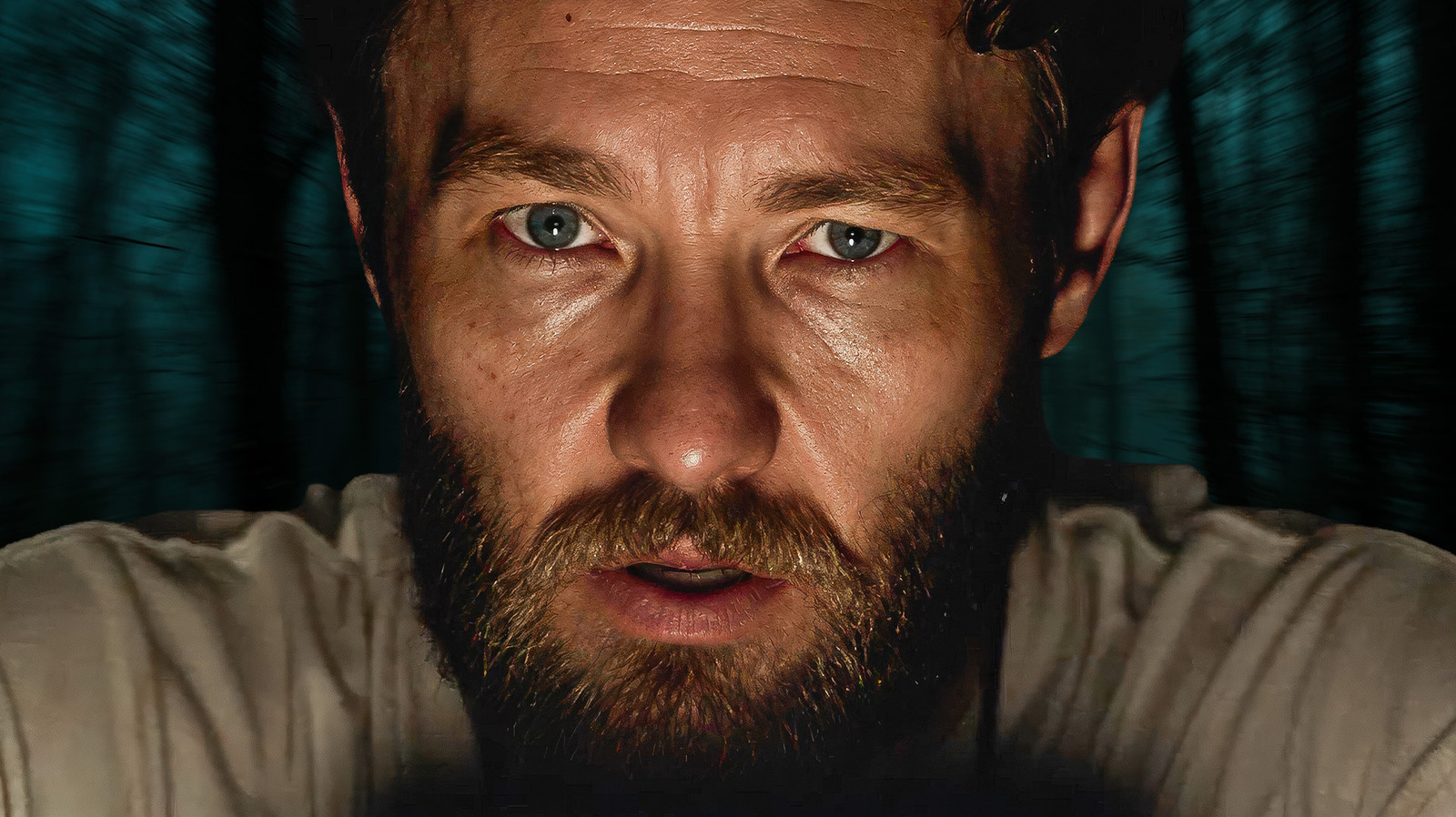
After the COVID-19 lockdowns, plague-centered post-apocalyptic films carry an especially unsettling resonance. Released in 2017, “It Comes at Night” can feel like an alternate version of a crisis the modern world has already glimpsed. A virus has killed much of the population, while Paul (Joel Edgerton) shelters his family in an isolated cabin. Their fragile routine changes when another family arrives, appearing harmless at first but potentially capable of destroying everything Paul has worked to protect.
A contagious disease may be the most devastating enemy in a realistic apocalypse. There are no monsters to fight, yet every person—regardless of how trustworthy they appear—could be carrying the infection. Paul’s decisions are driven by his determination to keep his family alive. Additional people might offer practical help, but the possibility of exposure makes cooperation nearly impossible.
Like the other grounded films on this list, “It Comes at Night” examines how quickly trust can fracture when civilization disappears. The end of the world may not involve supernatural creatures, invading aliens, or grand battlefield confrontations. More likely, it will leave scattered groups of people struggling to survive one more day. The lasting question is whether fear will control them—or whether they can preserve hope and trust when everything else has fallen apart.