
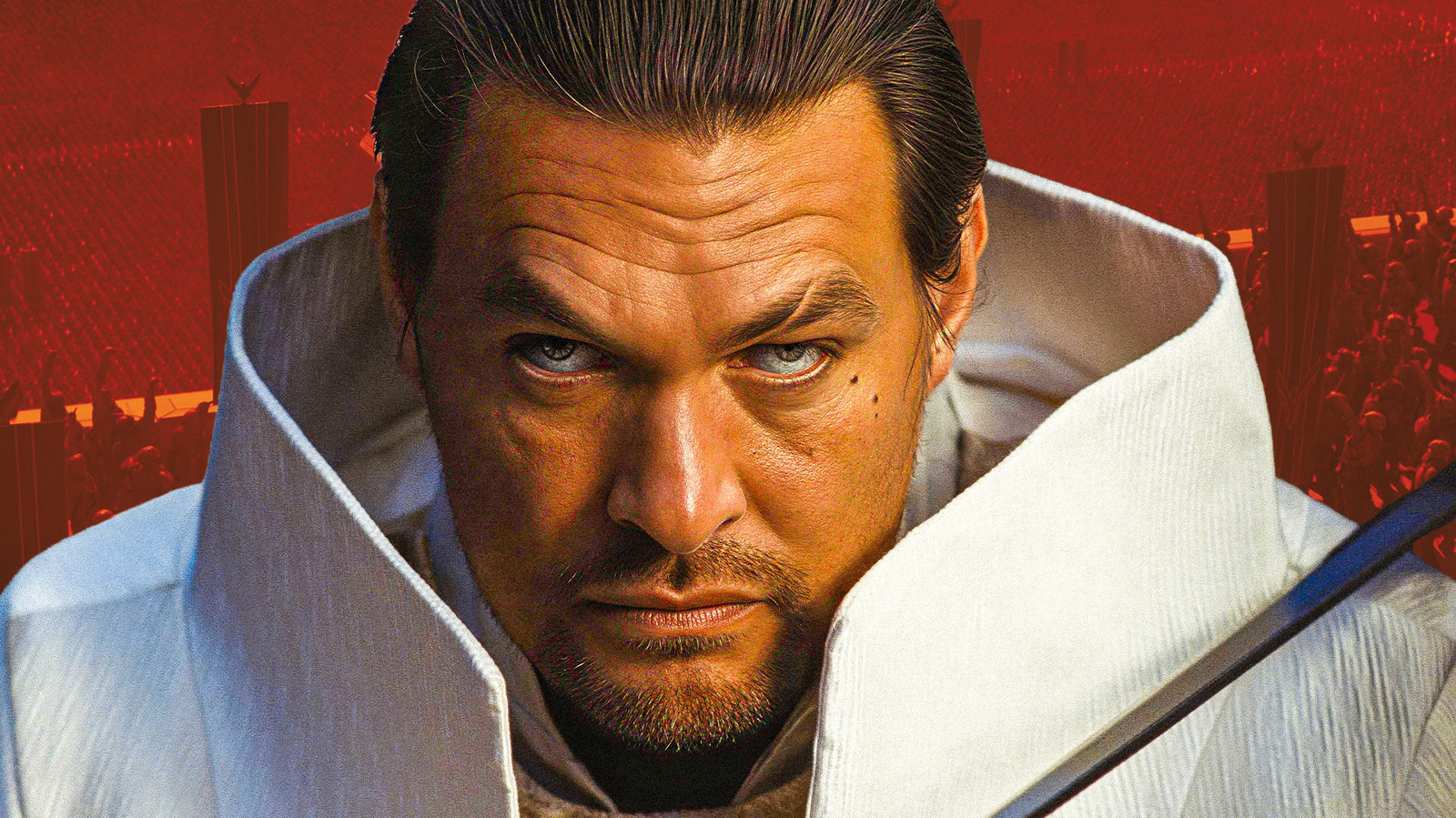
Gholas are, in theory, blank copies of the people from whom they were created. They begin without distinct memories, essentially serving as biological reboots. In Dune Messiah, however, the boundary between a person’s original life and a ghola’s new existence begins to collapse through Duncan Idaho’s reincarnation as Hayt.
When Hayt first encounters Paul, hearing the voice of his former lord awakens a vague sense of recognition. He says that Paul’s voice brings him pleasure and explains, “This is a sign, say the Bene Tleilax, that I have heard the voice … before.” Officially, Hayt has no memories of his previous life. Yet he describes “niches” in his genetic makeup where familiar impressions seem to fit: “There are voices, places, foods, faces, sounds, actions — a sword in my hand, the controls of a ‘thopter…”
At first, Frank Herbert presents these traces of the past as misleading impressions rather than genuine memories. He describes them as “a loose, concealing garment of personality which moved in a way different from whatever the Tleilaxu had hidden here.” A ghola can therefore be trained to imitate its predecessor, displaying familiar mannerisms and genetic tendencies without truly being that person. When Hayt is introduced, at least, his identity appears to have been shaped primarily by his creators.
By the conclusion of Dune Messiah, that carefully imposed identity begins to unravel. Hayt’s subconscious programming to assassinate Paul Atreides places increasing strain on the barrier separating him from Duncan Idaho, eventually triggering the recovery of his original memories. Once his physical body and mental history are reunited, Hayt effectively becomes Duncan Idaho reborn — carrying the same memories and experiences in a repaired version of his former body. As the Dune series continues, this continuity of memory becomes an established feature of ghola existence.


