
Warner Bros. Pictures
The DC Extended Universe had a complicated run, to say the least. At its peak, the franchise delivered major commercial triumphs — including hits such as “Wonder Woman” and “Aquaman” — and helped cement the DC brand’s place in the modern superhero-movie boom. Yet the lows were just as visible, particularly in the 2020s, when the Snyder-era DCEU stumbled through disappointments like “The Flash” and “Shazam! Fury of the Gods.” Given that uneven track record, it was hardly surprising that Warner Bros. chose to start over with the new DC Universe, which launched on the film side with July 2025’s “Superman.” Next in line is “Supergirl,” a story that follows Kara Zor-El/Supergirl (Milly Alcock) as she sets out against the movie’s chief antagonist, Krem of the Yellow Hills (Matthias Schoenaerts).
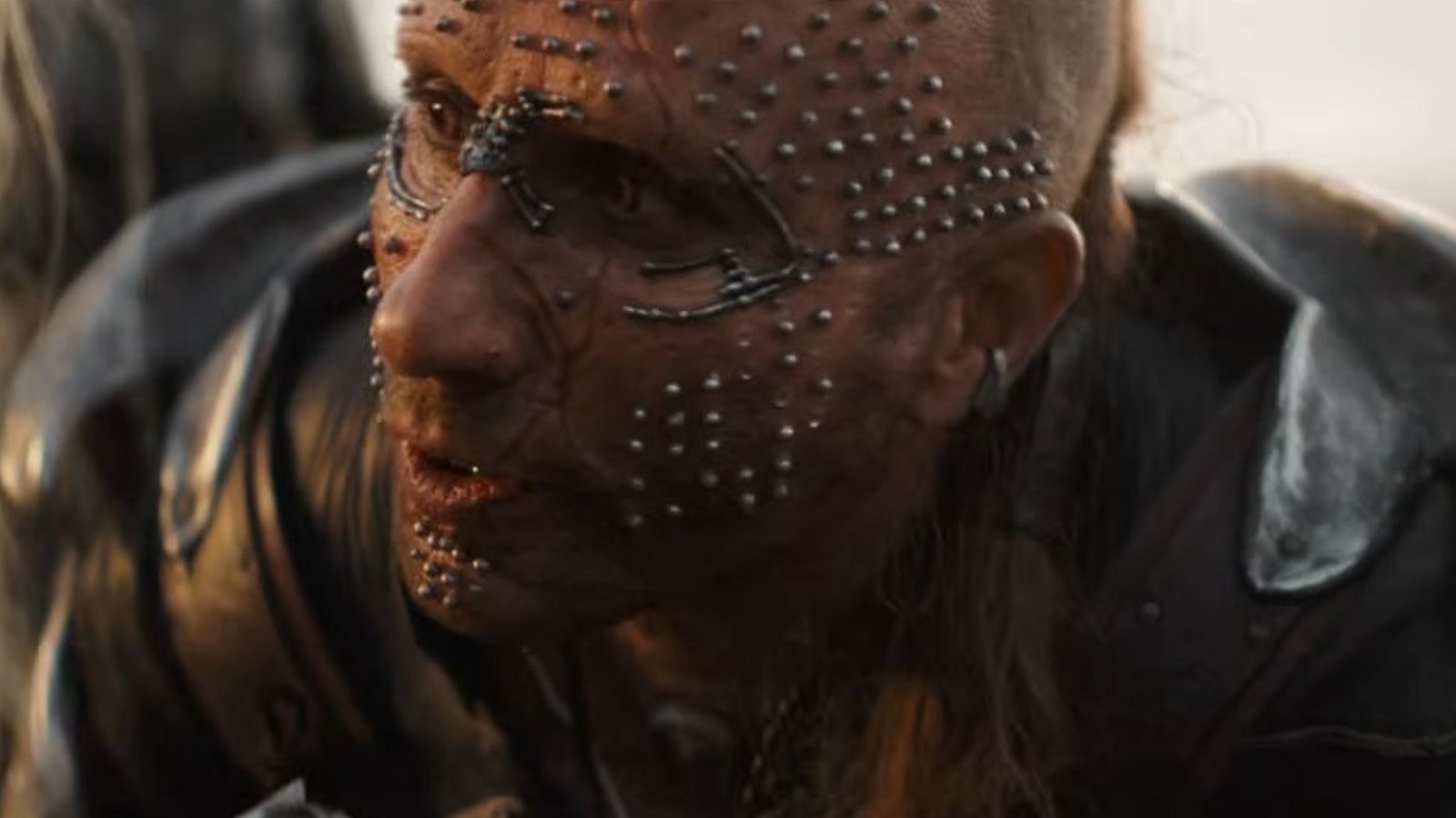
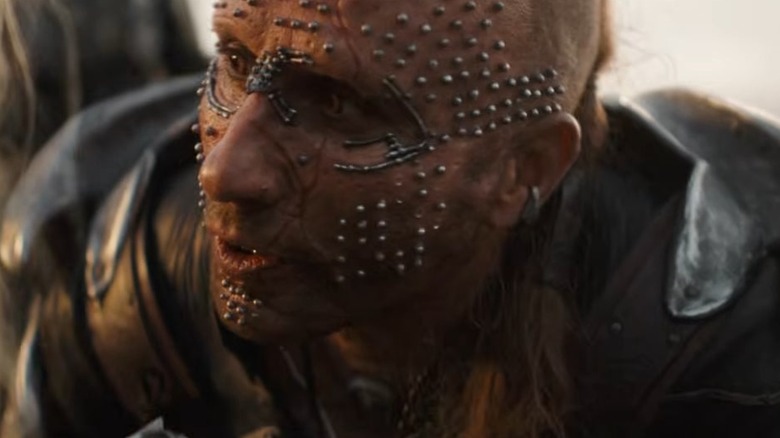
As the DC Universe expands across film and television, some creative choices will inevitably feel like answers to missteps from the DCEU era. In the case of “Supergirl” villain Krem, director Craig Gillespie appears to be pushing back against one of the most persistent and frustrating habits of the previous franchise. Movies such as “Suicide Squad” and “Black Adam” repeatedly saved generic, underwhelming computer-generated villains for their climactic showdowns. Krem, by contrast, works best because he is essentially a physical performer under prosthetics rather than another digital spectacle.
That alone does not turn Krem into a villain on the level of Heath Ledger’s Joker. Still, his tactile, non-CG presence offers a refreshing correction to one of the DCEU’s most grating recurring flaws.
Climactic DCEU CG villains were always such a snooze
Warner Bros./New Line Cinema
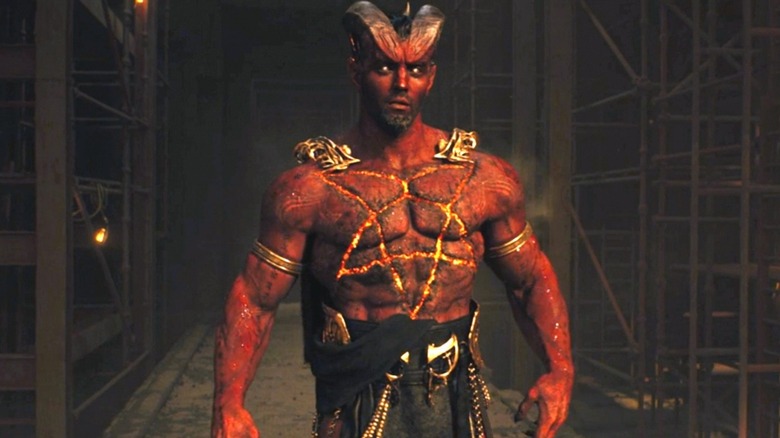
In many DC Extended Universe films, the final act almost inevitably meant the heroes would be thrown against an oversized CGI menace. “Wonder Woman” brought in Ares, the God of War, rendered as a digital creation for the big finale. “Justice League” leaned on Steppenwolf, whether he was being punished in the “Snyder cut” or cracking lines in the theatrical version, but in either case he remained a massive computer-generated alien. Then came “Black Adam,” where Marwan Kenzari’s Ishmael Gregor became a Satanic Sabbac who looked more like a stock enemy from “Diablo” than a memorable screen villain.
The repeated reliance on climactic CGI monsters did more than make these movies blur together. It drained their antagonists of individuality. Instead of fully realized characters with menace and presence, the villains often registered as enormous piles of pixels. Even a respected actor like Ciarán Hinds could not give either version of Steppenwolf much tangible threat or distinctive personality. When the emotional stakes of a DCEU finale were reduced to stiff digital creations, the energy and fun tended to disappear.
Even the otherwise strong “Wonder Woman” lost momentum once its attention shifted to a computer-generated villain. The DCEU kept repeating that same climactic mistake without ever truly solving it. The second film in the new DC Universe takes meaningful steps toward fixing that problem.
Krem’s few moments of personality come through because he’s just a guy
Warner Bros. Pictures
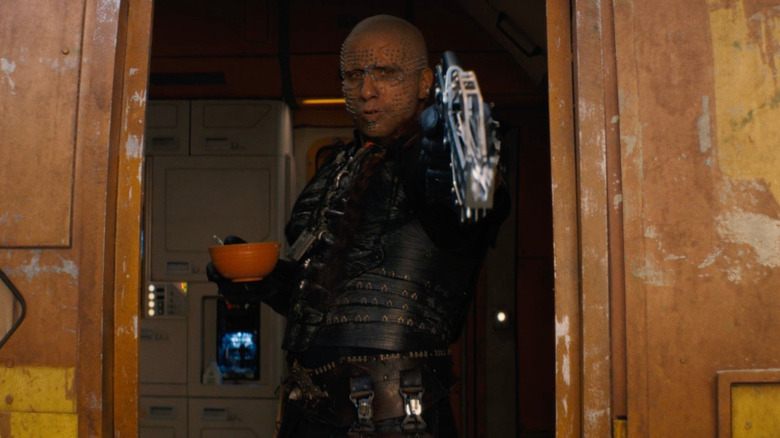
To be clear, Krem of the Yellow Hills is not free of the writing issues that weakened many of the DCEU’s least compelling villains. He is not especially layered, and his evil is painted in fairly broad strokes. Yet even as a fairly standard comic book antagonist, Krem represents a real improvement over the CGI final bosses that became so common in DCEU films. Because he is a man in intergalactic biker attire, he feels physically present alongside “Supergirl” characters such as Ruthye Marye Knoll (Eve Ridley). That is a sharp contrast with Incubus (Alain Chanoine) in “Suicide Squad,” who often seemed as if he had wandered out of a PlayStation 2 cutscene whenever he appeared beside live-action performers.
Krem also benefits from not being an expensive digital effect every time he appears on screen, unlike CGI-heavy villains such as Steppenwolf. That gives “Supergirl” room to let him indulge in small, strange character details, including his fondness for snacks like cereal and pie. Removing the artificial CGI wall between the audience and the antagonist also allows Matthias Schoenaerts’ wild-eyed performance to come through clearly. His stare carries a genuinely chaotic energy, and that makes Krem far more unsettling than another weightless digital monster.
These qualities aren’t enough to mitigate the larger artistic problems plaguing Krem in an otherwise flawed superhero movie, but delivering that humanity is something the endless parade of third act CG DCEU baddies could only dream of. If nothing else, Krem embodies the virtues of flesh-and-blood performers, and that’s a great change for the better.


