

Static Media
Horror exploded creatively in the 1970s, and the following decade pushed the genre even further. New slashers seemed to arrive every weekend, competing to deliver higher body counts, more graphic violence and greater amounts of onscreen nudity. The rise of home video also transformed the market, turning inexpensive shockers into household sensations and fueling moral panics around the world. Yet beyond the notorious titles that dominated headlines, the 1980s produced a number of enduring masterpieces that reshaped horror for generations.
Choosing only five films from such a rich decade was no easy task. Leaving out horror comedies such as “Evil Dead II” made the process even more difficult. Our selections favor movies that broke new ground, defined the era and continue to influence filmmakers today. They also remain favorites among cinephiles, with devoted followings and strong ratings on platforms such as Letterboxd and IMDb.
Some of these films were celebrated blockbusters from the day they opened, while others needed years to find their audience and develop cult status. All five, however, have earned their place among the finest horror movies of the 1980s.
5. Poltergeist
MGM/UA Entertainment Co.
Few film myths have proved as durable as the claim that Steven Spielberg secretly directed “Poltergeist.” The connection is understandable: Its freshly built California suburb could almost be mistaken for the neighborhood surrounding Elliott’s home in “E.T. the Extra-Terrestrial,” while its story of a family under siege reflects themes often associated with Spielberg. Still, this is unmistakably a Tobe Hooper film—albeit one far less blood-soaked than “The Texas Chain Saw Massacre.” In many ways, it serves as the dark opposite of that landmark slasher, with the wholesome Freeling family replacing the Leatherface and Sawyer clan as the suburban nightmare’s central victims.
The supernatural disturbance begins when the Freeling family’s subdivision is built over an old burial ground. Their young daughter, Carol Anne (Heather O’Rourke), becomes the focus of spirits that enter the home through the television. Although “Poltergeist” is less physically repellent than Hooper’s best-known work, it uses horror in a similarly pointed way, satirizing comfortable American family life and a culture oblivious to what lies beneath the surface—or comes through the screen. That social commentary is ultimately secondary to the film’s expertly constructed scares. By steadily tightening the tension, “Poltergeist” turns the familiar suburban home into one of cinema’s most effective haunted houses and insists that no family is beyond paranormal reach.
4. The Thing
Universal Pictures
Released only weeks after “Poltergeist,” John Carpenter’s “The Thing” was another revolutionary 1980s horror film—and audiences were largely unprepared for it. Hooper’s movie offered frightening imagery wrapped around a sincere portrait of a loving family standing together. Carpenter’s film provided almost the opposite: a grim, distrustful survival story steeped in existential dread. Its unforgiving tone clashed with the escapist spirit of Amblin entertainment, and the response was correspondingly icy. Over time, however, “The Thing” has come to be recognized as one of Carpenter’s greatest achievements and a defining performance from Kurt Russell.
Much of the film’s lasting power comes from its unresolved finale. Childs (Keith David) reappears as MacReady (Russell), seemingly the last survivor, sets fire to the remains of the shape-shifting creature. The two men trade wary remarks and share whisky while sitting in the Antarctic cold, with no way to know whether either of them is still infected—or whether they are witnessing their final moments. Carpenter filmed a more definitive ending that clarified the hero’s fate, but rejected it because it weakened the story’s lingering paranoia. That choice may have frustrated viewers in 1982, yet it helped turn “The Thing” into a classic that captures the social and political anxieties of its time.
3. A Nightmare on Elm Street
New Line Cinema
“Halloween” established that even the suburbs could not protect people from a masked murderer. Wes Craven made the threat far more intimate by taking the danger into the one place people are supposed to feel safest: their dreams. Inspired by reports from the Vietnam War era about refugees so terrified by nightmares that they refused to sleep—some of whom ultimately died in their sleep—Craven brought that disturbing premise into the American home. At its center is Freddy Krueger (Robert Englund), an undead killer targeting the children of the adults who burned him alive. Because the story operates in a supernatural dream world, Craven could abandon the rigid logic of the traditional slasher and create some of horror’s most unforgettable images.
By breaking free from the bloody realism that defined earlier slashers, “A Nightmare on Elm Street” helped establish a new set of genre rules and laid the foundation for Craven’s later, more self-aware films. Its emotional core is just as important as its nightmares. The movie examines how the sins of one generation can be inherited by the next—and whether children can escape the damage caused by their parents. Freddy remains the obvious monster, but the deeper terror lies in the possibility of becoming adults who are absent, damaged or incapable of protecting their own families. That combination of supernatural invention and generational anxiety made the film a landmark of 1980s horror.
2. The Shining
Warner Bros. Pictures
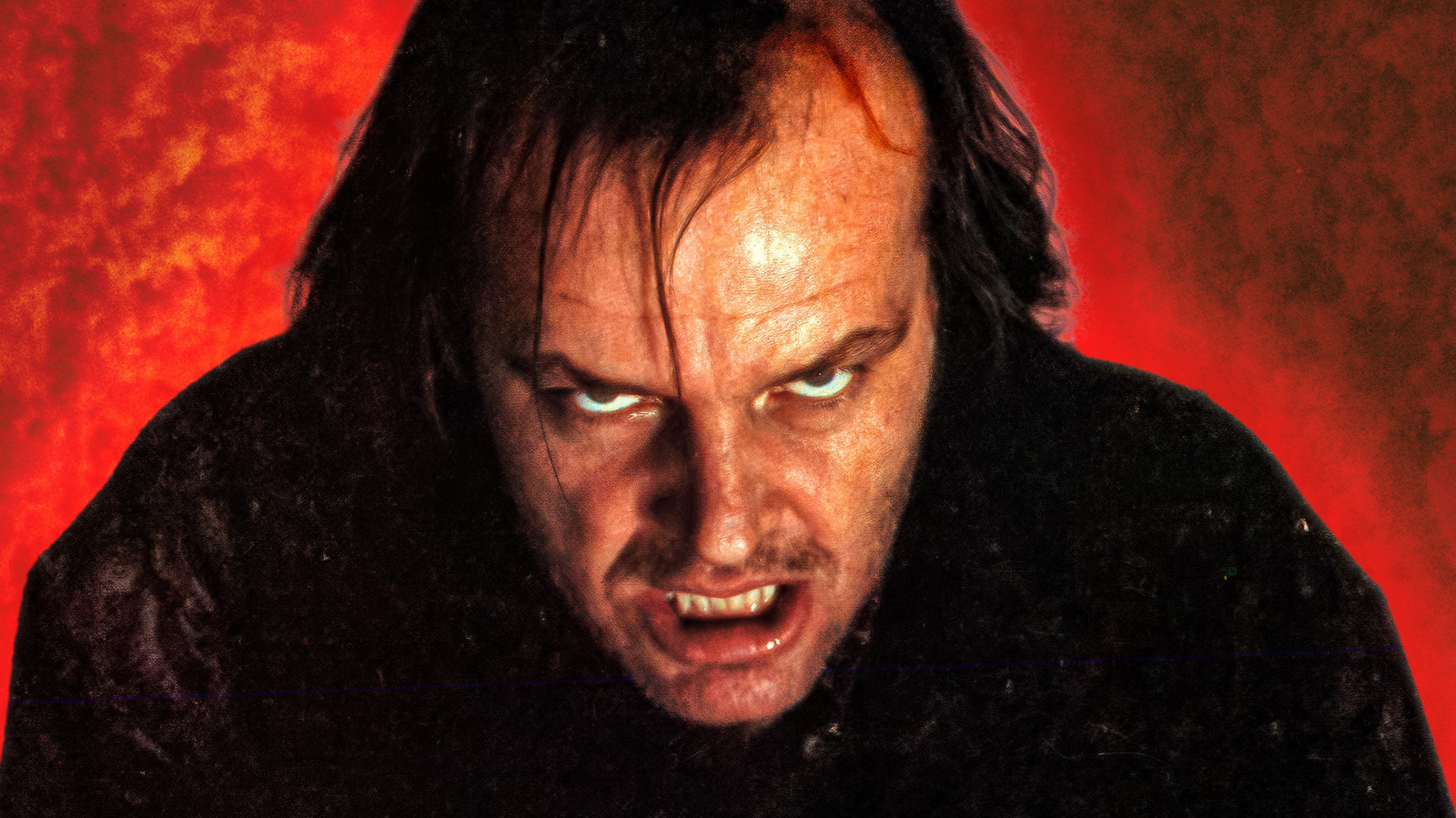
Stephen King has famously objected to the film, but Stanley Kubrick’s “The Shining” remains one of the most compelling adaptations of his work—and arguably the finest movie based on one of his books. Kubrick departed substantially from King’s more direct depiction of Jack Torrance (Jack Nicholson) and the Overlook Hotel as victims of explicit malevolent forces. In their place, he created an elusive, richly layered film that has inspired decades of debate. The interpretations explored in the documentary “Room 237” range from commentary on the genocide of Native Americans to the idea that Kubrick used the movie to confess to helping fake the moon landings.
The film never settles whether the supernatural is truly invading the hotel or whether its events reflect the increasingly unreliable perceptions of people unraveling in isolation. Jack’s behavior can be read as the destructive result of alcoholism and abuse, as it is in King’s novel, or as something more mysterious and difficult to define. Viewing the movie as the story of an abusive husband and father is valid, but its surreal detours and disturbing visions resist any single explanation.
That uncertainty is central to why “The Shining” remains so influential. Even after decades of analysis, it feels as though the film is still concealing its most important secrets. Its enduring power comes from the unsettling realization that some mysteries may remain unsolvable, regardless of how familiar we become with the source material.
1. The Fly
20th Century Fox
David Cronenberg’s filmography from the 1970s and 1980s is so strong that an entire top-five list could be devoted to his work. Still, his remake of the 1958 classic “The Fly” stands out as the best of the group. Cronenberg transforms a straightforward B-movie creature feature into a deeply emotional story about metamorphosis, wrapping an intimate tragedy in layers of meticulously rendered body horror. Jeff Goldblum delivers perhaps his career-defining performance as eccentric scientist Seth Brundle, using his unusual physicality to chart the character’s agonizing transformation into the Brundlefly.
Cronenberg conceived the film as an allegory for watching someone you love succumb to a terminal illness, focusing on the process of transformation rather than simply on the monster’s final form. Many critics in 1986 also read the movie through the lens of the AIDS crisis, at a time when popular culture rarely addressed the humanity of those living with the disease. Yet “The Fly” reaches beyond that specific historical context. Few horror films can genuinely be called tearjerkers, but this one earns the description.
Cronenberg made weirder, more uncomfortable movies which pushed the boundaries of horror elsewhere in the 1980s (“Videodrome” would also be a strong best-of-the-decade contender), but finding the humanity within deeply silly source material is one of his great achievements. “The Fly” remains the best horror of the 1980s, and one of the best movie remakes ever made.


