20th Century Fox
Released in 1963, “Cleopatra” still occupies a singular place in Hollywood history. It is a four-hour-plus spectacle with moments of genuine grandeur, a stronger box office run than its reputation often suggests, and a production saga so costly and chaotic that it nearly brought 20th Century Fox to its knees.
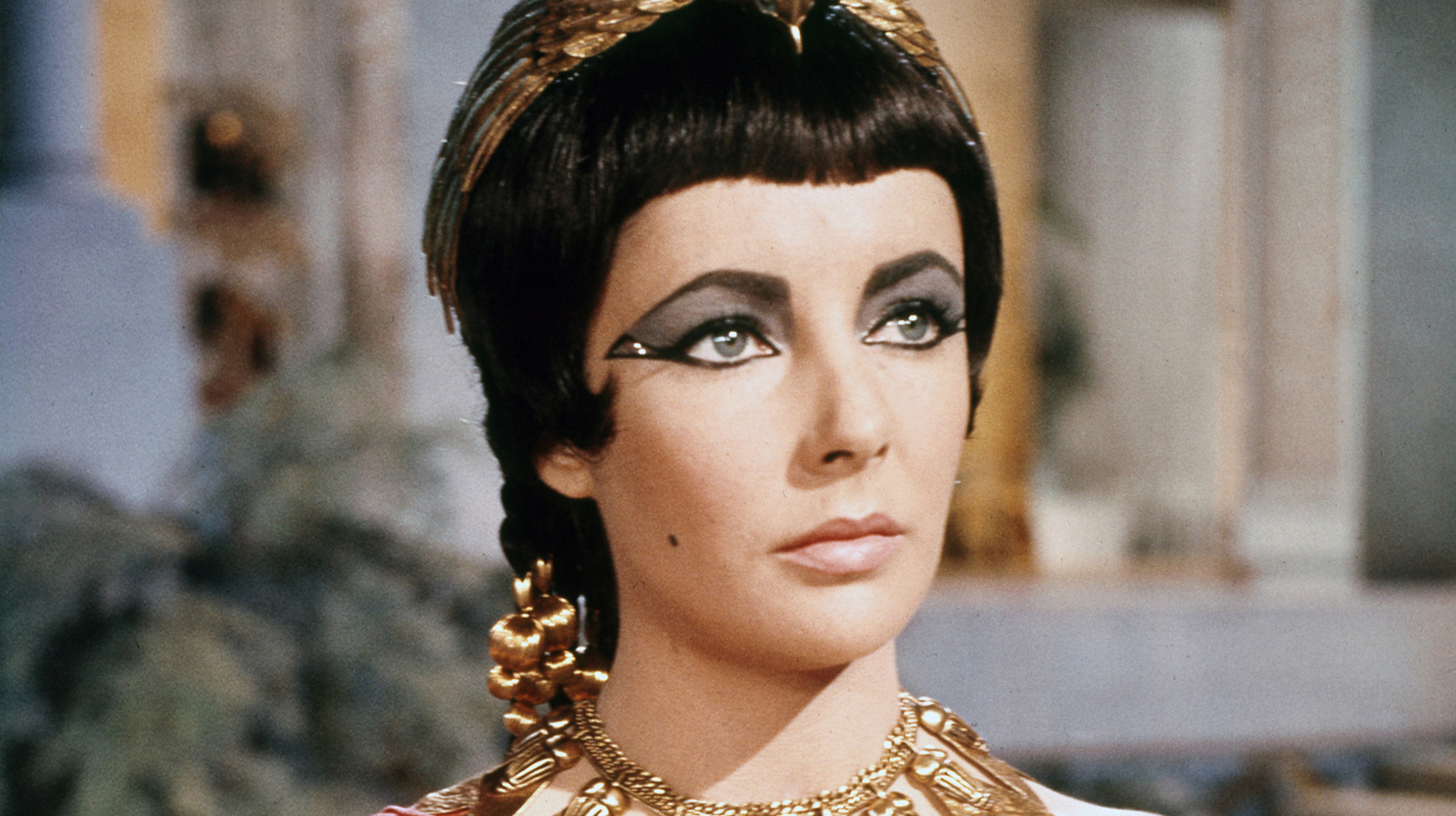
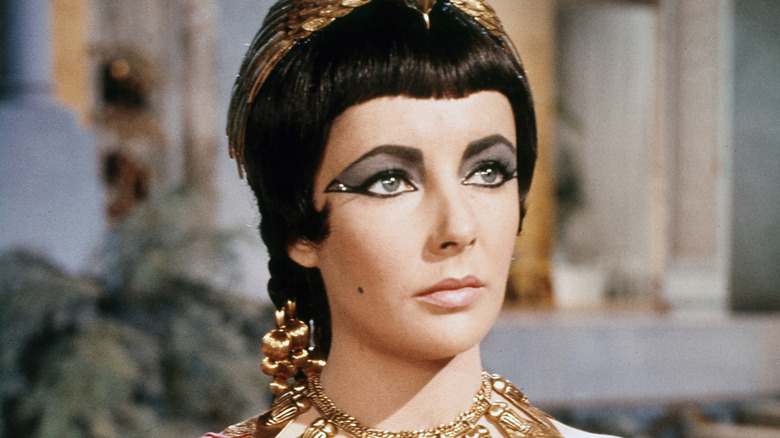
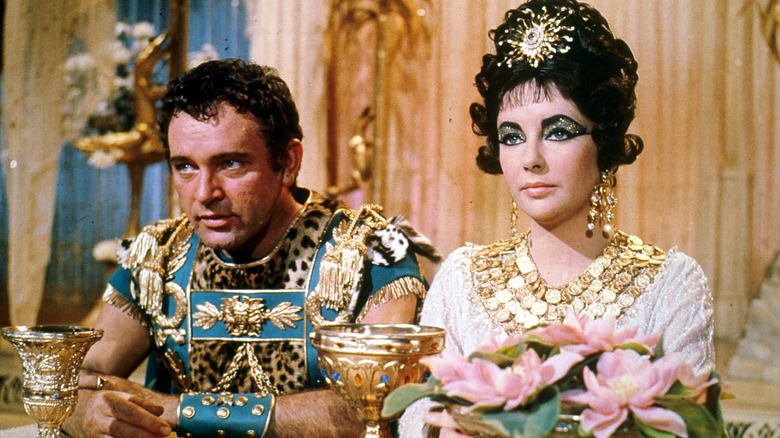
On paper, it is easy to imagine “Cleopatra” as the “Avatar” of its day: a lavish event movie built around enormous star power and epic scale. Elizabeth Taylor stars as the legendary queen of Egypt, attempting to resist Rome’s expanding influence while becoming entangled with Julius Caesar, played by Rex Harrison, and later with Caesar’s trusted lieutenant Mark Antony, portrayed by Richard Burton.
Although “Cleopatra” premiered on June 12, 1963, it did not immediately seize the top spot at the box office. The film reached No. 1 three weeks later, during the weekend of July 3, earning $725,000 in that frame. From there, it held first place through the end of September, then returned to the top intermittently in October and November before ending its run the weekend of November 20. The following week, box office figures were not published in the aftermath of President John F. Kennedy’s assassination.
By the end of its theatrical run, “Cleopatra” had earned $57 million in domestic box office receipts, along with another $14 million from international markets. It finished as the highest-grossing film of 1963 and earned nine Academy Award nominations, ultimately winning four Oscars. Even so, the movie was widely regarded as a financial letdown because its production costs had spiraled far beyond what anyone initially expected.
Cleopatra nearly ended 20th Century Fox
20th Century Fox
For almost any other 1963 release, a $71 million worldwide box office total would have been a triumph. “Cleopatra” had originally been budgeted at a comparatively restrained $5 million. But the production quickly became a textbook example of Hollywood excess, plagued by escalating costs, delays, and one of the most expensive film sets ever constructed.
The trouble began early. Filming started in London, where massive sets were built from scratch at staggering expense. Bad weather damaged many of those sets, as well as the palm trees brought in to create the illusion of ancient Egypt. Then Taylor, who commanded a $1 million salary by herself, contracted double pneumonia while in London, forcing more delays and adding further strain to an already troubled shoot.
The problems were not limited to weather and illness. Behind the camera, original director Reuben Mamoulian was fired and replaced by Joseph L. Mankiewicz, who found himself rewriting the script at night and filming new material during the day. The constant uncertainty drove costs even higher. With no clear plan from one day to the next, thousands of extras were left waiting for instructions while still collecting paychecks. By the time production finally ended, “Cleopatra” had cost $44 million, the equivalent of about $480 million in 2026.
That enormous price tag swallowed up what otherwise looked like an impressive box office performance. To offset the losses, 20th Century Fox had to sell 260 acres of its Los Angeles backlot, land that would later become Century City, the office and shopping district. For audiences and studios alike, “Cleopatra” marked a turning point: the era of oversized historical epics was fading, while smaller, director-driven films such as “The Graduate” were on the rise. Yet for all the production turmoil that continues to define its legacy, “Cleopatra” remains a fascinating box office bomb—and still a film worth watching.


