There are so many things that change as you age. This includes a decline in muscle mass and strength, how swift you are, and your stamina. It’s important to plan the right fitness routine to compensate for these natural changes. We spoke with Tevia Celli, indoor cycling instructor and VP of experience for CycleBar, who provides the 10 best tips to boost stamina after 50.
Stamina is what gives you the energy and strength you need to be able to perform physical activity for an extended period of time. “Building stamina through activities like cycling is crucial for promoting overall health, preventing age-related health issues, and ensuring a high quality of life as you age. It addresses various physical and mental aspects that contribute to overall well-being,” explains Celli. “Maintaining and improving stamina contributes to increased longevity and a higher quality of life. It supports independence by ensuring you can carry out daily activities with ease and reduces the risk of age-related health issues that may limit mobility.”
Remember to check in with a healthcare professional before kicking off any new fitness routine. Keep reading to learn all about Celli’s best tips to boost your stamina after 50; it’s important to personalize them based on your fitness level and health. And when you’re finished, be sure to check out 8 Tips for Boosting Muscle Growth After 50, According to a Trainer.
Do cardio training regularly.
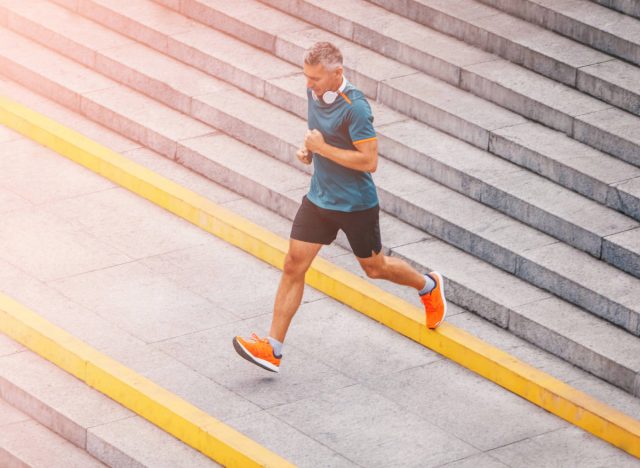
Cardio is so important to strengthen your lungs and heart, according to the American Lung Association. It also gives your circulation a boost. All of this, in turn, helps increase your stamina.
“Engage in regular cardiovascular exercises such as cycling, brisk walking, or swimming,” Celli suggests. “CycleBar classes are an excellent choice, providing a low-impact yet effective cardiovascular workout.”
Engage in progressive training.
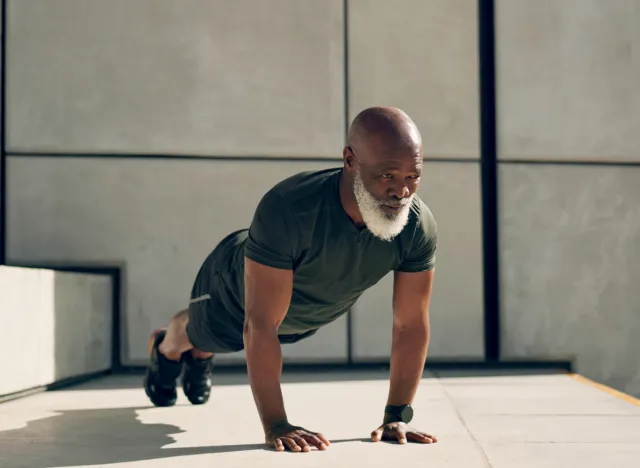
It’s always important to challenge your body during workouts to achieve results. Celli recommends gradually bumping up the duration and intensity of your exercise routine. “Start with moderate levels, and progressively challenge yourself to avoid burnout and reduce the risk of injury,” Celli adds.
Do some interval training.
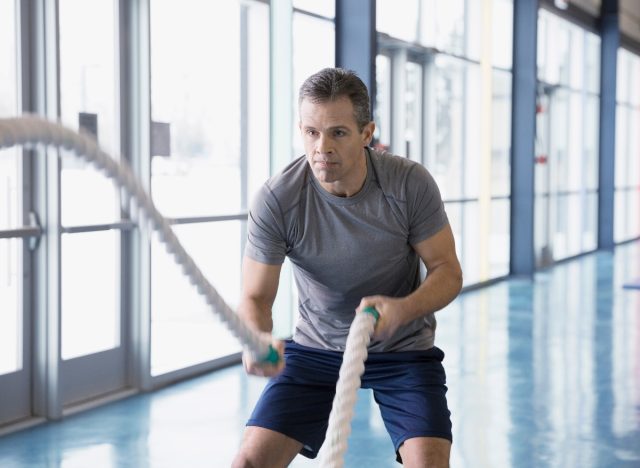
A solid high-intensity interval training (HIIT) workout, which includes quick bouts of intense exercise, provides much goodness. It maximizes your exercise abilities, improves your oxygen intake, and builds endurance, research shows.
“Incorporate interval training into your routine,” Celli suggests. “Alternating between periods of high intensity and recovery helps improve cardiovascular fitness and stamina.”
Strength train.

Building muscles results in how strong you are in everyday life, which is why strength training is essential. “Include strength training exercises to build muscle mass,” explains Celli. “Strong muscles support overall endurance and can enhance performance during cycling or other cardio activities.”
Eat a balanced diet.

You are what you eat, which is why consuming a well-balanced diet is so important for energy. “Maintain a well-balanced diet rich in nutrients,” Celli says. “Ensure you have an adequate intake of carbohydrates, proteins, and healthy fats to provide sustained energy for workouts and daily activities.”
Hydrate.
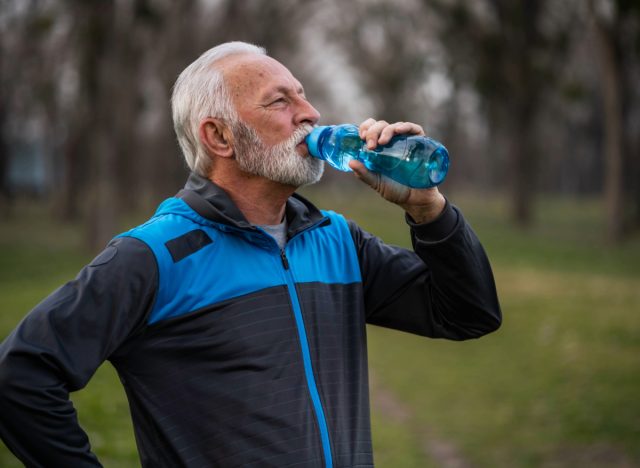
Staying well-hydrated throughout the day is key if you want your body to function properly. In fact, science proves that how you perform can be negatively affected if you’re not sufficiently hydrated. So drink up!
“Stay well-hydrated before, during, and after workouts,” says Celli. “Dehydration can lead to fatigue and decreased stamina, so it’s crucial to drink enough water throughout the day.”
Warm up and cool down.

Warming up before a workout gets your blood flowing and your muscles working. Not only does this lower your chances of getting hurt, but it’s also essential in boosting your overall workout performance.
“Before starting any exercise, warm up your muscles with dynamic stretches,” Celli suggests. “Similarly, cool down after workouts to aid in muscle recovery and reduce post-exercise fatigue.”
Rest and recover.

Rest and recovery is an integral part of exercise, and you need to give your body enough time for both. You can experience small tearing in your muscles when you exercise. When they heal, they will become stronger and larger.
“Adequate sleep and rest days between intense workouts are essential for stamina improvement and overall well-being,” says Celli.
Establish a mind-body connection.
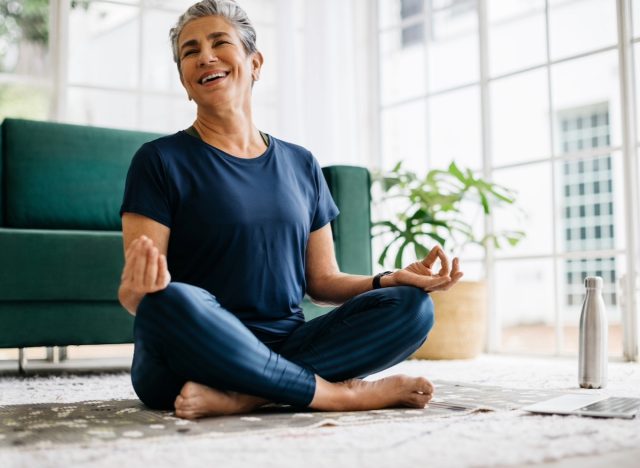
Adding mindfulness to your routine will only benefit you and your efforts. “Practice mindfulness techniques, such as deep breathing and meditation, to enhance the mind-body connection,” says Celli. “This can help manage stress, improve focus, and positively impact stamina.”
Seek professional guidance.
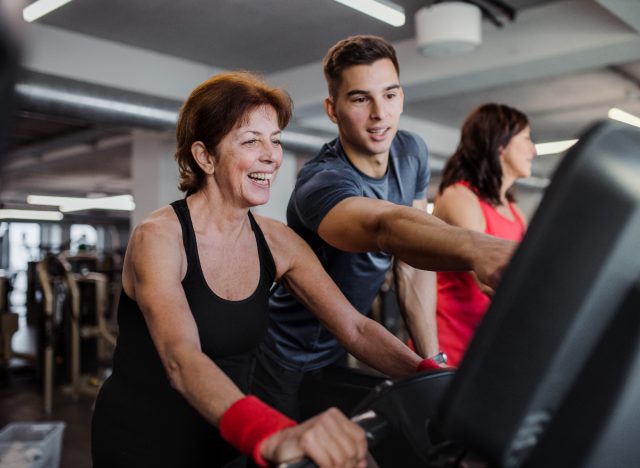
It’s always wise to consult with a professional when it comes to finding the workout routine that’s right for you and your goals. They may open your eyes to extremely valuable information, including showing you the right form and making sure you’re moving along at a healthy, productive pace.

Sign up for our newsletter!