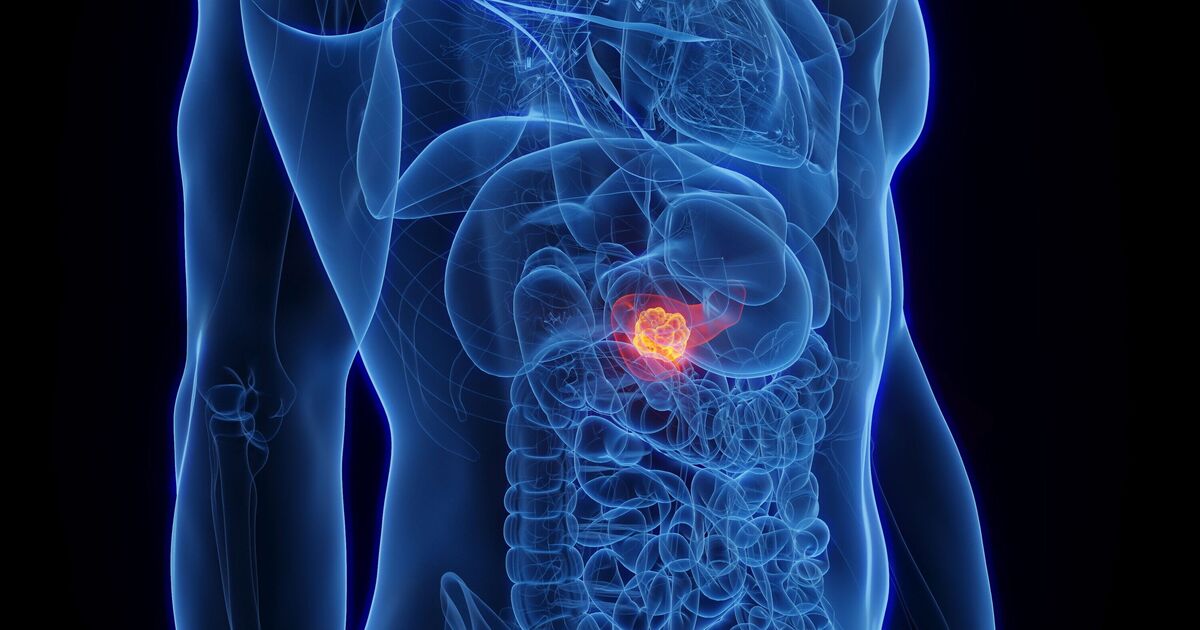


The pancreas plays a key role in breaking down food (Image: Getty)
A doctor is encouraging people to take notice of possible pancreatic cancer warning signs. Situated behind the stomach, the pancreas helps the body digest food and regulate blood sugar. Pancreatic cancer is particularly difficult to detect because it can develop with few noticeable symptoms, spread quickly and create a dense barrier that makes treatment harder. Around three-quarters of people diagnosed with the disease die within a year.
Dr Philippa Kaye says there are clues that should not be dismissed. In many cases, she explains, the warning may not be “a dramatic symptom” but instead a sudden change in someone’s health that “simply doesn’t make sense”.
Writing for the Daily Mail, Dr Kaye described two patients whose experiences highlighted the importance of noticing unusual changes. One was diagnosed with stage four pancreatic cancer and died just months later. The other developed Type 2 diabetes.
Type 2 diabetes is “extremely common”, but the second patient did not fit the usual risk profile, according to Dr Kaye. He was not overweight, had no family history of the condition and had also been losing weight.
Taken together, those details raised concerns. Follow-up tests eventually showed that he had pancreatic cancer.
Dr Kaye now hopes to remind people that even subtle, unexpected health changes can be worth discussing with a doctor.

A sudden diagnosis of Type 2 diabetes may signal an underlying problem (Image: Getty)
7 early warning signs of pancreatic cancer
1. Type 2 diabetes appearing unexpectedly
A diagnosis of Type 2 diabetes does not necessarily point to a tumour. However, when the condition develops later in life without common risk factors—such as being overweight or having a family history—it should be investigated further.
2. Weight loss without an obvious cause
Unexpected weight loss alongside a new Type 2 diabetes diagnosis can be especially concerning. The condition is often associated with people who are overweight or living with obesity, while sudden weight loss may also occur when blood sugar levels are not being controlled.
Following the first two, diabetes linked to pancreatic cancer can behave differently, with blood sugar rising rapidly and it being difficult to control. Levels can also climb despite treatment.
4. Change in bowel movements
Persistent change in your typical bowel movements is also a symptom that should be brought to your doctor’s attention. Your pancreas is what helps you digest food, and so if a tumour disrupts this process, then stools can become greasy, oily, pale, foul-smelling and prone to floating in the toilet.
Similarly, the urine is noticeably darker. Research examining symptoms in primary care suggests that this symptom can appear months before the cancer is diagnosed.
While back pain is extremely common, there is a particular pattern that patients should be aware of. According to Dr Kaye, the pain can begin in the upper abdomen and go straight through to the back. Some patients have found that it worsens after eating or when lying flat.
Jaundice is when your skin or the whites of your eyes turn yellow. Pancreatic cancer causes jaundice by blocking the common bile duct, which stops digestive fluid from flowing properly from the liver into the small intestine.
It is important to note that none of these symptoms automatically means you have pancreatic cancer. However, if something about your health changes unexpectedly, persists or doesn’t make sense, do not ignore it. Speak to your GP.


