Dr. Dawn Owens Robinson has worked as an OB-GYN for over 23 years.
“My grandmothers were nurses, so I did the candy stripe volunteer thing all through middle and high school and I wanted to deliver babies. This is the best job in the world. It’s a miracle every time,” she recalled.
In that time, she’s seen Black women plagued by an ongoing problem that she’s working to raise awareness about this Black History Month.
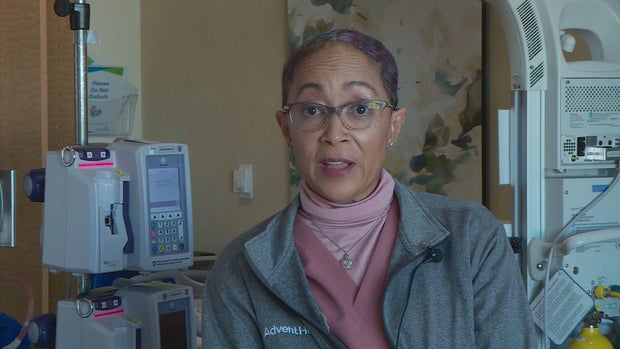
“Studies have shown that well off, educated Black women die at a higher rate than uneducated, obese, chronic-hypertension and diabetic White patients. It is a true health care crisis,” Robinson said.
CBS
CDC data shows Black women are three times more likely to die from pregnancy complications than White women.
Black women aren’t the only ones dying. Infant mortality is two and a half times higher than White infants. Additionally, the preterm birth rate for Black babies is almost one-and-a-half times higher than the rate of other babies. Health care inequities and underlying health conditions play a large role, as does mistreatment.
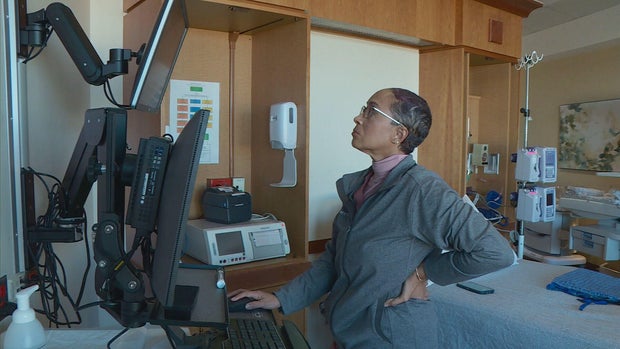
“Women are pooh-poohed away. We get sent home from the emergency room with chest pain, like, ‘Oh, you’re having anxiety,'” she told CBS News Colorado’s Mekialaya White, who visited her AdventHealth Avista office in Louisville. “It’s a shame that we have to fight to be heard.”
CBS
So, if you’re a Black mom-to-be, Robinson says do your research before picking your care team.
“Research your hospital. Find out if they have a NICU. Find out if they have 24-hour in-house anesthesia, an in house doctor to deal with emergencies 24/7,” she advised.
Or, as your finances allow, look into a doula.
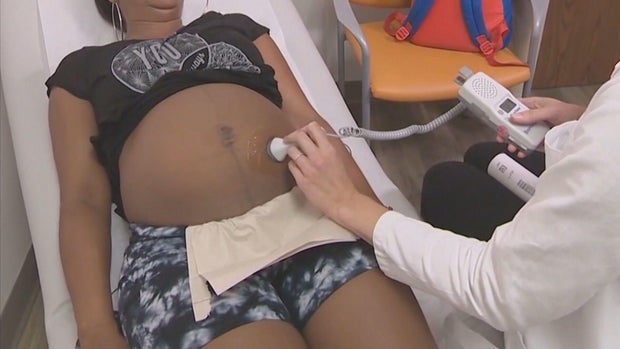
“Doulas save lives. Doulas provide a voice for the people who don’t feel they can stand up to the other people in the room,” she explained.
CBS
And for those working in health care, or even aspiring to, Robinson says immediate action is needed as well.
“More needs to be done. I think the most important thing as providers and practitioners and midwives – I think we just need to listen and treat our patients with humanity and decency and respect and just listen. We are all humans and to treat that person with respect, treat that person in your bed in your office as you would your cousin your aunt. (We also need) more of us in places that matter. We need more doctors that are Brown and Black, we need more nurses that are Brown and Black, we need more midwives that are Brown and Black,” she said.
Learn more about AdventHealth Avista resources here.


