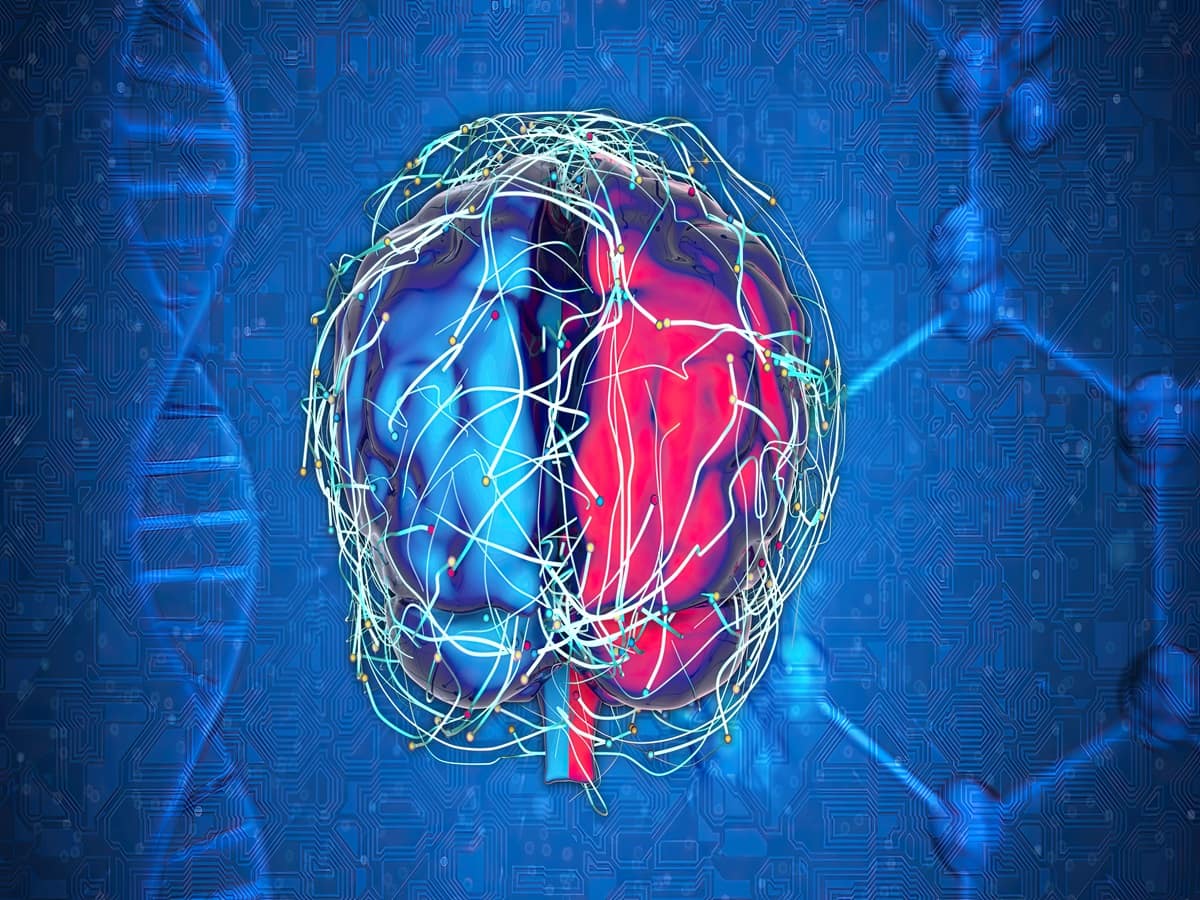
Understanding the neural basis of motivation holds immense potential for addressing psychiatric conditions characterized by motivational deficits.
Understanding the intricate mechanisms that drive goal-directed behaviors is a fundamental quest in neuroscience, shedding light on the profound interplay between the brain and behavior. In a groundbreaking study, researchers at the University of Alabama at Birmingham and the National Institute of Mental Health delve deep into the neural underpinnings of motivation, unraveling the dynamic regulation of goal pursuits. Their findings, published in Current Biology, offer unprecedented insights into the orchestration of motivational states within the brain’s thalamus, particularly the paraventricular nucleus (PVT). Hunger propels animals to achieve goals, such as foraging for food, and a recent study delves into the intricate neural mechanisms orchestrating this motivation. Here’s an insight into the groundbreaking research, shedding light on how specific neuronal subpopulations within the brain’s thalamus modulate goal-directed behaviors.
Investigating Neural Dynamics In Goal Pursuit
Researchers employed a unique foraging-like behavioral paradigm in mice to unravel the brain’s inner workings during goal pursuits. Through meticulous training, mice learned to navigate a designated pathway, from a trigger zone to a reward zone, in pursuit of a savory treat.
Neuronal Activity In The Paraventricular Nucleus
Utilizing cutting-edge optical techniques, researchers monitored the activity of distinct neuronal subpopulations within the paraventricular nucleus (PVT) of the thalamus. Notably, two subpopulations, characterized by the presence or absence of the dopamine D2 receptor, exhibited differential activity patterns during goal pursuit.
Contradicting Homogeneity Notions
Contrary to conventional wisdom, the study uncovered functional diversity within the PVT, challenging longstanding perceptions of its homogeneity. By dissecting the roles of PVTD2(+) and PVTD2(-) neurons, researchers shed light on the nuanced orchestration of motivational signals within this brain region.
Transmission To The Nucleus Accumbens
The study elucidated how changes in PVT neuron activity are relayed to the nucleus accumbens (NAc), a pivotal brain region implicated in goal-oriented behaviors. By tracing axonal projections from the PVT to the NAc, researchers delineated the neural circuitry underpinning motivated actions.
Implications For Motivational Disorders
Understanding the neural basis of motivation holds immense potential for addressing psychiatric conditions characterized by motivational deficits. By unraveling the intricate interplay of neuronal pathways involved in motivation, researchers aim to identify novel therapeutic targets to restore healthy motivational processes in individuals grappling with psychiatric disorders.


