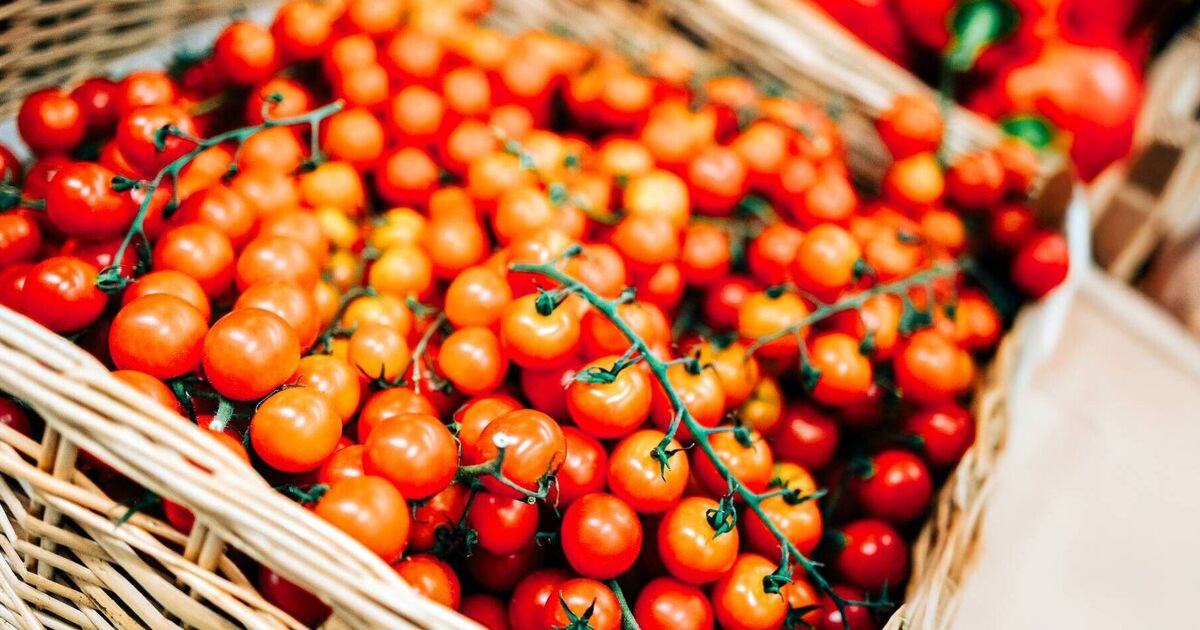

Cherry tomatoes may have a nutritional edge over larger heritage varieties, according to a nutrition expert — and the reason comes down to their skin. Tomatoes are already a staple of healthy summer eating, ranging from plum-shaped types to big, fleshy varieties such as Whittemore, but the small cherry tomato appears to offer an unexpectedly powerful health boost.
Writing recently on the subject, nutritionist Rob Hobson highlighted why cherry tomatoes can be a particularly smart choice. Although all tomatoes contain lycopene, the antioxidant plant compound responsible for their red colour, smaller tomatoes may deliver a more concentrated amount because they have a higher skin-to-flesh ratio.
Lycopene has been associated with a number of health benefits, with Healthline noting links to improved heart health and potential protection against some cancers.
Rob told the Mail: “Many of the protective plant compounds are just beneath the skin because this is the part of the fruit exposed to sunlight and environmental stress. The skin contains fibre and is rich in polyphenols and flavonoids, which are antioxidants.”
Because cherry tomatoes are so small, Rob explained, they may offer more of these beneficial compounds gram for gram. He said: “You are likely to eat more than one cherry tomato in one go which means you’ll consume proportionally more skin than you would if you were eating a single beef or heritage tomato.”
That does not make larger tomatoes an unhealthy choice, but it does help account for “some of the nutritional differences”, he added. Meanwhile, gardeners have also been given seasonal advice on keeping homegrown tomatoes healthy, with Gardeners’ World presenter Monty Don sharing tips on preventing blight.
Tomato plants can be affected by several common issues, including blossom-end rot, tomato blight, and fruit that splits or cracks as it develops.
In his July blog post, Monty set out what he described as the “best defence”. He wrote: “I do not plant my outdoor tomatoes until June. But once they are in the ground, they will grow strongly and need regular tying up.
“This is, of course, if you are growing cordon tomatoes rather than blush or determinate varieties. The latter can be propped up rather like a herbaceous plant rather than tied regularly in.”
He also removes the side shoots and waters them. As for blight, a disease that impacts tomato foliage and fruit and leads to rot, Monty said the risk increases in late July.
Monty continued: “From late July, the risks of blight increase, dependent as it is upon the combination of high humidity and warm days and nights.
“The best defence for outdoor tomatoes is good ventilation and stripping off the lower leaves as the fruits develop, which helps this.”