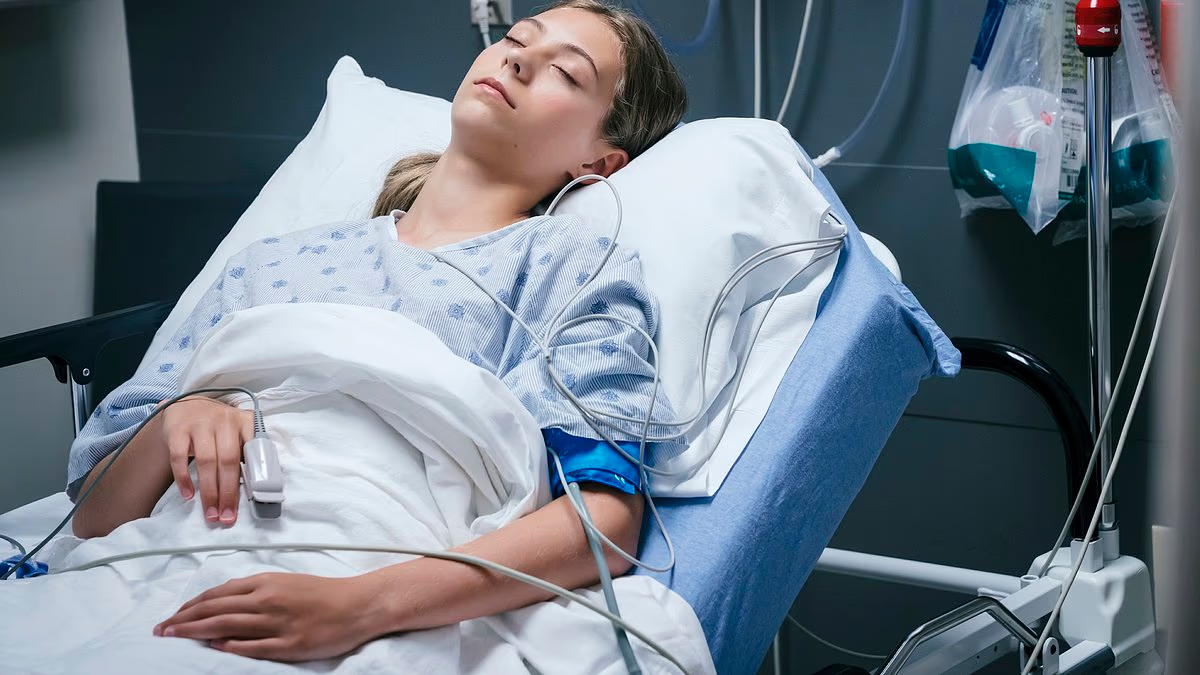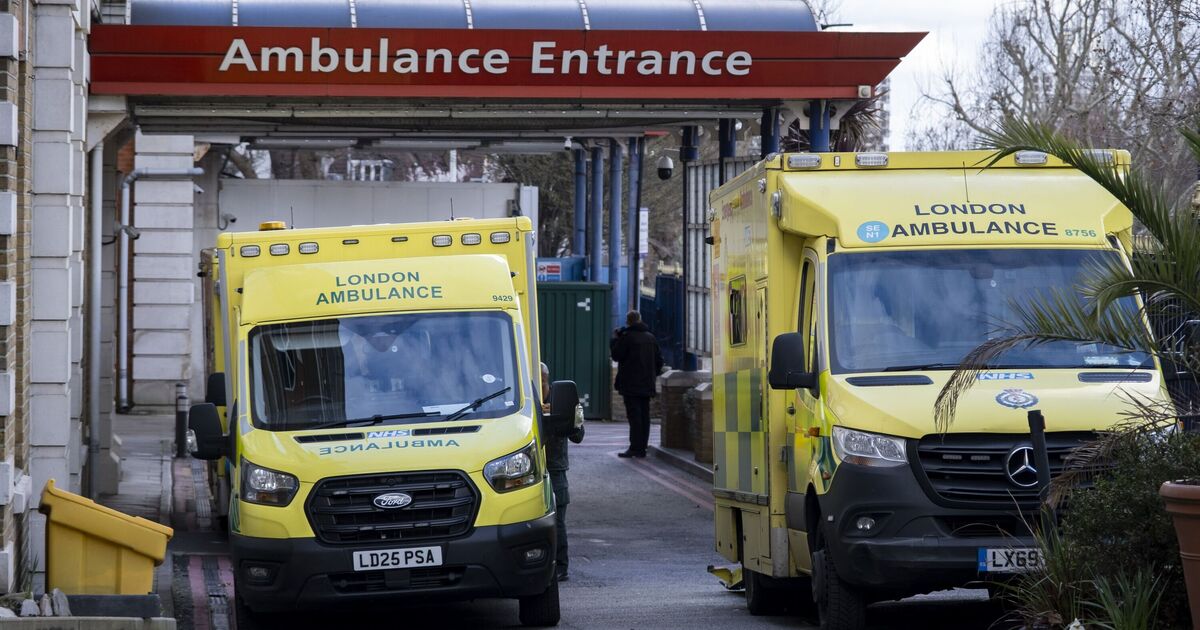


People with Legionnaires’ disease normally need to go to hospital (stock photo) (Image: Getty)
The UK Health Security Agency (UKHSA) has shared its latest update on Legionnaires’ disease. In a new message, the government agency emphasised that the lung infection is ‘uncommon’ but can be ‘serious’, particularly for some groups of people.
The UK Health Security Agency (UKHSA) has issued a new advisory on Legionnaires’ disease, highlighting it as a rare but potentially serious lung infection, especially for certain demographics.
According to the UKHSA, individuals at higher risk include older adults, smokers, and those with pre-existing health issues. The agency detailed that Legionnaires’ disease, a severe form of pneumonia, is caused by the Legionella pneumophila bacterium. Infection occurs when individuals inhale tiny water droplets containing the bacteria.
In its message shared on X, the UKHSA outlined the typical environments where Legionella bacteria can thrive, such as warm, stagnant water found in hot tubs, plumbing systems, and large-scale air-conditioning units.
This advisory follows a reported increase in Legionnaires’ disease cases in specific areas of north-west and south-west London, prompting an ongoing investigation, as covered by the Mirror.
Dr. Janice Lo, a health protection consultant for London at the UKHSA, stated, “While we have not yet identified a common source, we are conducting further investigations with our partners to gather more information.”
She emphasized the widespread presence of Legionella bacteria in the environment, noting the importance of properly maintaining water systems through regular testing and treatment to prevent bacterial growth and health risks.
You usually cannot get Legionnaires’ disease from drinking water, other people with the infection, or places like rivers and ponds. As per the health service, symptoms of Legionnaires’ disease include:
- a cough
- shortness of breath
- chest pain or discomfort, particularly when breathing or coughing
- a high temperature
- flu-like symptoms
Legionnaires’ disease is usually treated in hospitals, and most people make a full recovery. You should ask for an urgent GP appointment or contact NHS 111 if you experience symptoms of Legionnaires’ disease, such as:
- a cough that’s lasted three weeks or more
- coughing up blood
- chest pain that comes and goes, or happens when breathing or coughing
- feeling short of breath
Tell your doctor where you have spent the last ten days, for instance, if you stayed in a hospital, spa or hotel. As per the NHS, treatment may include antibiotics given directly into a vein, oxygen through a face mask or tubes in your nose, and a machine to help you breathe.
Antibiotic treatment usually lasts between one and three weeks. The UKHSA’s primary responsibility is to protect the public’s health in England.