
Concerns are mounting over the dangers associated with certain wellness practices following the death of a British individual involved in a ‘detox’ procedure using toxic frog skin.
Forty-year-old Kristian Trend passed away from suspected poisoning after participating in a kambo ritual, a practice primarily rooted in South American ‘cleansing’ traditions but increasingly gaining traction throughout Europe.
This ritual involves applying a poisonous substance derived from the skin of giant tree frogs to small incisions made on participants’ chests and legs, a method employed by indigenous Amazonian tribes for generations.
Celebrity endorsements, including those from Orlando Bloom, known for his role in Lord of the Rings, who reportedly has undergone the ritual several times, have propelled this treatment into the public eye recently.
Advocates of the ritual assert it purifies the body, bolsters the immune system, and may even address issues like addiction and cancer.
However, medical experts caution that there is no scientific evidence supporting these health claims and emphasize the potential dangers associated with the practice.
Because the drug is poisonous, it can trigger severe reactions including seizures, rapid heart rate, extremely low blood pressure – and in extreme cases, death.
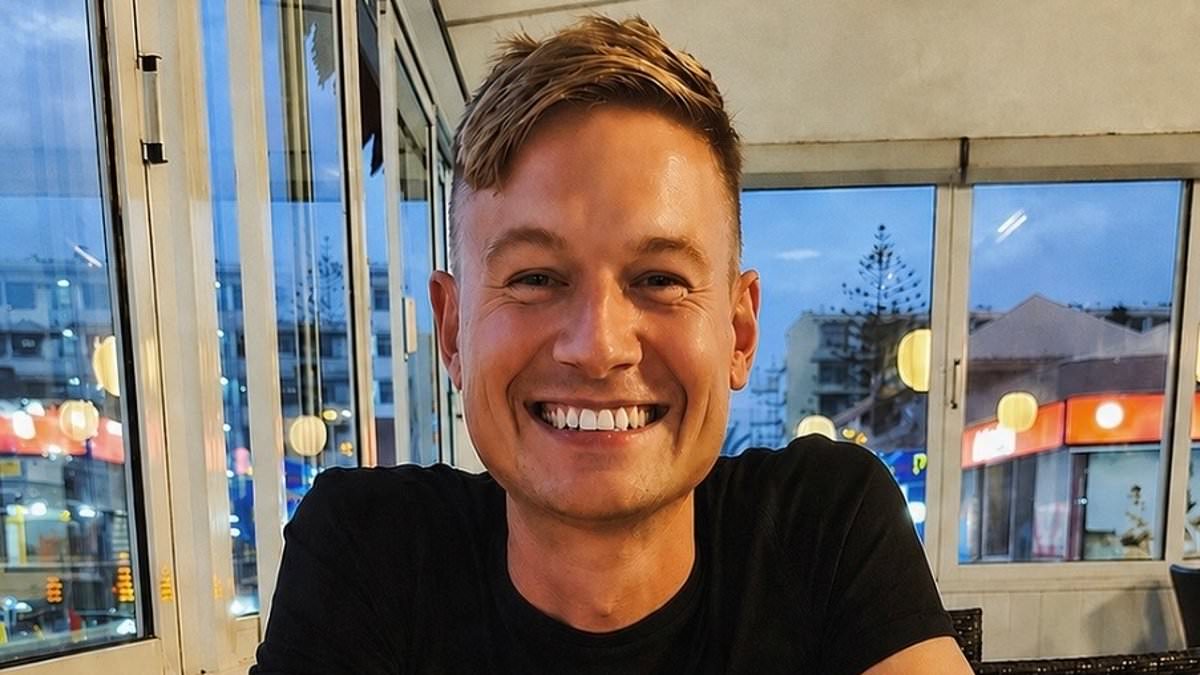
Mr Trend, a wellbeing coach and plant-based energy drink company owner, is believed to have been taking part in a ‘cleansing’ ritual at a flat in Leicester last month before becoming unwell, collapsing and dying.
Kristian Trend died after taking kambo – a drug most commonly found in South American ‘cleansing’ rituals, but growing in popularity across Europe
Orlando Bloom has previously spoken out about the benefits of kambo. However, medical evidence do not support its use
Professor Penny Ward, a pharmaceutical expert based out of King’s College London, told the Daily Mail: ‘While there has been medical interest in a number of the peptides produced in the skin secretion, there are no proven health benefits for any of these at present.
‘In contrast there have been multiple case reports of a range of toxicities and several deaths in users across multiple countries.
‘Making sure the general public are made aware of the dangers of this substance may stop people seeking to use it.’
Kambo is produced by scraping secretions from the back of the phyllomedusa bicolor amphibian – also known as the giant tree frog or giant leaf frog – after it is restrained with its limbs stretched, triggering a stress-induced defence response that causes it to release a waxy substance from its skin.
It is used in ceremonies promoting fertility or to induce ‘purging’ – an attempt to expel toxins from the body.
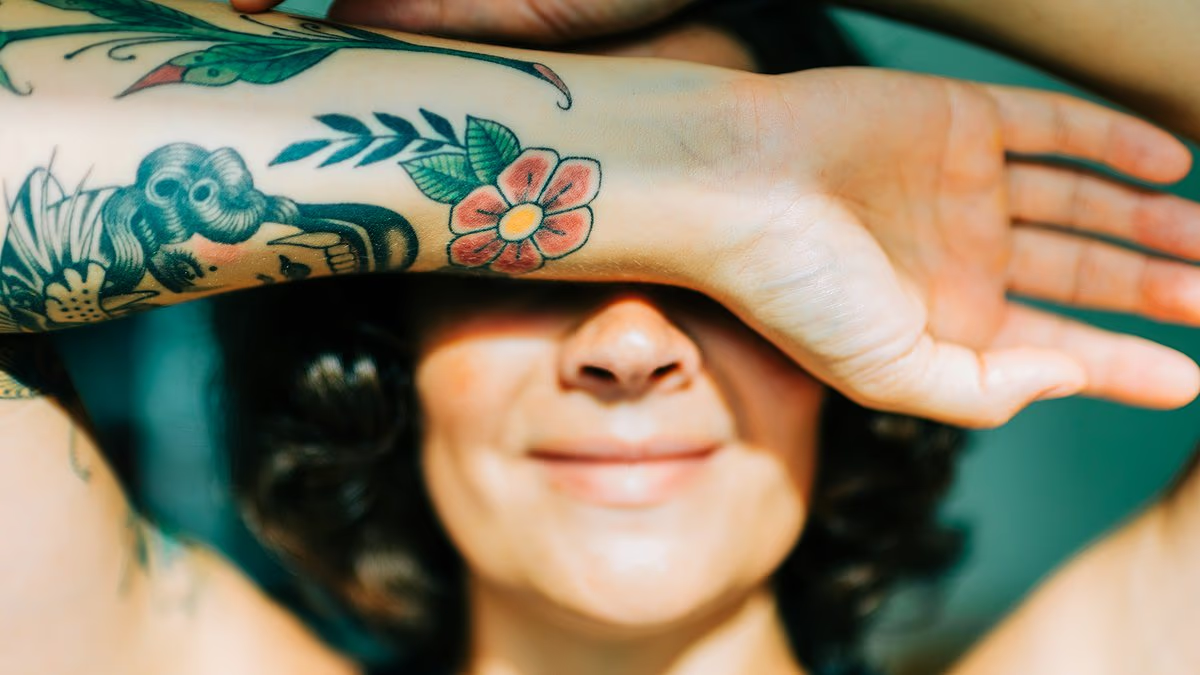
During these rituals, participants typically gather in a circle while a shaman burns small points into the top layer of the skin using a hot stick. The kambo, which has been left to dry, is then applied to the wounds for around 15 minutes.
Bryan Kuhn, a toxicology management specialist and pharmacist at the Banner Poison and Drug Information Centre in Phoenix, said that he would not recommend kambo or any other wellness therapy.
He previously told BannerHealth: ‘There’s no evidence to support any therapeutic benefits for any medical condition. Period. End of story.’
Kambo is harvested from the phyllomedusa bicolor amphibian – also known as the giant tree or giant leaf frog – after it is restrained with its limbs stretched
Despite these warnings, kambo is growing in popularity in Europe and in Britain – with some couples seeking it out to help them with fertility.
During these ceremonies, women are typically burned on the legs, while men are burned on the arms or chest before the substance is applied.
Others – such as Bloom, who shares a daughter with singer Katy Perry – have used the drug for detox purposes.
‘Your skin is burnt with these little dots, and then you put up the poison from the Amazon – it’s like a frog poison,’ the actor told GQ Magazine in 2024.
‘You have this sensation of death and you kind of purge your body. But it’s incredible.
‘They say that the Amazonian warriors have done this historically to heighten their senses for hunting. And I certainly had this feeling of being clearer and wide open from that, but it was pretty brutal in terms of what it does to the body in the moment.
‘It only takes 15 minutes, but it’s a real purge – it’s coming out both ends at different times sometimes. Although that didn’t happen the first time, but in subsequent times that I’ve tried it.’
Diarrhoea can be a potential side effects of taking kambo, as well as severe vomiting.
More serious complications can include psychosis, as well as kidney, liver and pancreatic damage.
In some cases, participants have reportedly suffered dangerous overhydration, likely because some rituals encourage consuming large amounts of water beforehand.
Kambo is not a licensed medicine in the UK – and those who administer it are not regulated by the Medicines and Healthcare Regulatory Agency (MHRA).

The kambo is then applied to the holes in the top layer of the skin, typically made by a shaman using a hot stick
Some countries have already taken strict measures to restrict its use, however, with Australia classifying it as a prohibited poison in 2021 following the death of Natasha Lechner.
Ms Lechner, who was morbidly obese, had turned to kambo in an attempt to improve her health, but the substance triggered a severe cardiac reaction and she died suddenly.
Following her death, a coroner warned that vulnerable people were placing their trust in so-called ‘healers’ who lacked even basic first-aid training.
Mr Trend is believed to be the first Briton to have died in connection with Kambo use.
Now, his grieving mother Angie is now calling for it to be outlawed, telling The Telegraph: ‘I hope they ban it, but I’m not strong enough to fight for it.’
Mr Trend appeared to become interested in the so-called wellness community after being diagnosed with Burkitt lymphoma – a rare and aggressive form of cancer that can affect the jaw, abdomen, or central nervous system – aged just 23.
Writing on his Feel Good Polys website – named after his energy drinks brand – he said: ‘At 23, I was given up to six months to live without intensive treatment. A rare cancer diagnosis forced me to choose: live in fear, or surrender to a higher purpose.
‘After much travelling through India and Asia immersed in holistic wellness and meditation, the path became clear. Amongst the temples of Ubud, Bali, the vision for Feel Good Polys was born.’
Mrs Trend said her son had told her that he was going to ‘cleanse himself’.
She added: ‘He was very spiritual. He took a lot of vitamins. But I don’t know what happened.
‘We haven’t had the test results back yet. I don’t know anything and I don’t even think I want to know what happened. It won’t bring him back.’
A 41-year-old man was arrested on suspicion of administering poison following Mr Trend’s death and has since been released on bail. Leicester Police said its investigation is continuing.
A government spokesperson said: ‘Our thoughts are with Mr Trend’s family and loved ones. Any substance that poses a risk to public health or safety will be kept under review.
‘We urge individuals to exercise caution when considering alternative therapies and to be aware of the potential risks involved.’
A coroner has been notified about Mr Trend’s death and an inquest is expected to be opened. His exact cause of death is not yet known, but toxicology tests are ongoing.