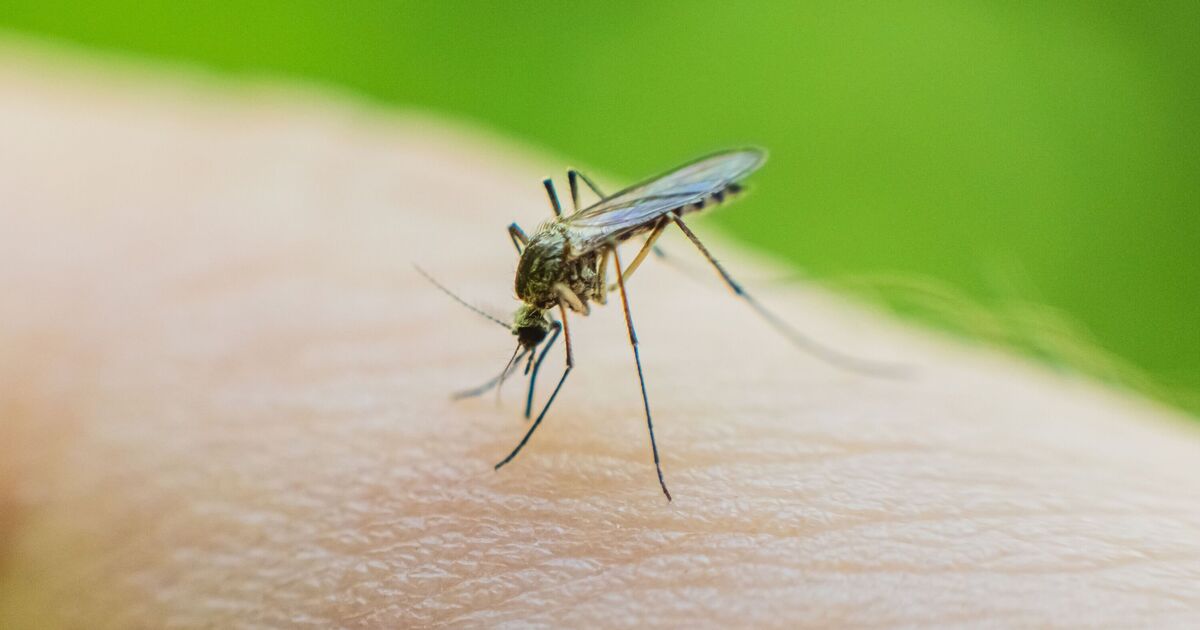


Mosquito-borne viruses are most widespread in tropical and subtropical destinations (Image: Getty)
Travellers heading overseas are being urged to protect themselves from potentially life-threatening mosquito-borne infections following the publication of new figures on cases brought back to the UK. The UK Health Security Agency (UKHSA) said illnesses such as dengue fever and Zika virus can lead to serious complications, particularly for people at higher risk.
Health officials advised holidaymakers to take simple but important steps to avoid mosquito bites, including using insect repellent, covering exposed skin with long sleeves and trousers, and sleeping under an insecticide-treated mosquito net where needed. Travellers should also check that routine and destination-specific vaccinations are up to date, and confirm whether anti-malaria tablets are recommended for the country they are visiting. Dengue fever can resemble flu, with warning signs including a high temperature, intense headache, pain behind the eyes, aching muscles and joints, and nausea.

Basic precautions can help lower the risk of mosquito-borne infections while travelling (Image: Getty)
Chikungunya can also cause debilitating symptoms, including fever, joint pain, headache, muscle aches, swollen joints and a rash.
Zika is usually mild for most people, but it poses a particular danger during pregnancy, where it has been linked to miscarriage, stillbirth, developmental problems and babies being born with unusually small heads.
Malaria remains another major risk in some destinations and can be fatal. Symptoms may include fever, vomiting and pain.
The World Health Organisation says dangerous mosquito-borne viruses are most commonly found across tropical and subtropical regions.
The highest-risk areas include Southeast Asia, South Asia, Sub-Saharan Africa, Central and South America, the Caribbean, and Pacific islands.
The UKHSA said eight Zika virus cases were reported from January to June 2026 – already above the seven cases recorded in 2025. Four of these were from Indonesia.
Some 137 cases of imported dengue were reported in England from January to June this year, with South-East Asia and South Asia remaining the most common regions where people caught it. Some 27 cases were linked to travel to Thailand and 19 to the Maldives.
For comparison, the overall number of cases by the end of June last year was 161, though cases also tend to rise later in the year.
A total of 59 chikungunya cases were reported from January to June this year, with Sri Lanka being the most commonly reported country of travel, accounting for 18 cases. There were 73 in the same period last year.
Meanwhile, 557 malaria cases were reported in England, Wales and Northern Ireland from January to May. Last year at the same point, there were 548.
As well as mosquito-borne illnesses, there were 287 cases of typhoid and paratyphoid fever between January and June this year.

Diseases spread by mosquitoes can be deadly (Image: Getty)
Typhoid and paratyphoid are caused by Salmonella bacteria, which is usually spread through contaminated food or water.
Mosquitoes rely on standing water to lay their eggs.
It then needs to be warm enough for the eggs to hatch, which can take just a few days if temperatures are high enough.
Dr Hilary Kirkbride, consultant epidemiologist and head of travel health at UKHSA, said: “Summer is a popular time to travel – don’t let illness spoil your holidays. Good preparation and planning is important for a safe and enjoyable trip.
“Check the TravelHealthPro website for the latest health advice for your destination, including which vaccines you may need and any important medications, such as anti-malarial tablets.
“To protect against mosquito-borne infections, use insect repellent, cover exposed skin and sleep under a treated bed net where needed. For enteric fever and other stomach bugs, make sure you take good food and water hygiene precautions.
“Even if you have visited a country before, you do not have the same level of natural protection against infections as permanent residents, so it is important to take precautions every time you travel.
“And if you are pregnant or trying to conceive, there are special precautions you should take, so please speak to a doctor, nurse or local travel clinic before planning your trip.”
Natalie Hitchins, Which? head of home products and services, said: “If you’re travelling somewhere that has mosquitoes, it’s worth checking that your repellent will actually do the job before you go.
“Which? tests found that while some repellents provided effective protection for almost 10 hours, some trendy alternatives failed to prevent bites for longer than a few minutes.
“Look for products containing active ingredients such as Deet, Icaridin (picaridin) or PMD, rather than relying on marketing claims alone.
“Insect repellent can help protect against mosquito bites, but it should be used alongside – never as a replacement for – any vaccinations or medications recommended by a healthcare professional.”


