
Share this @internewscast.com
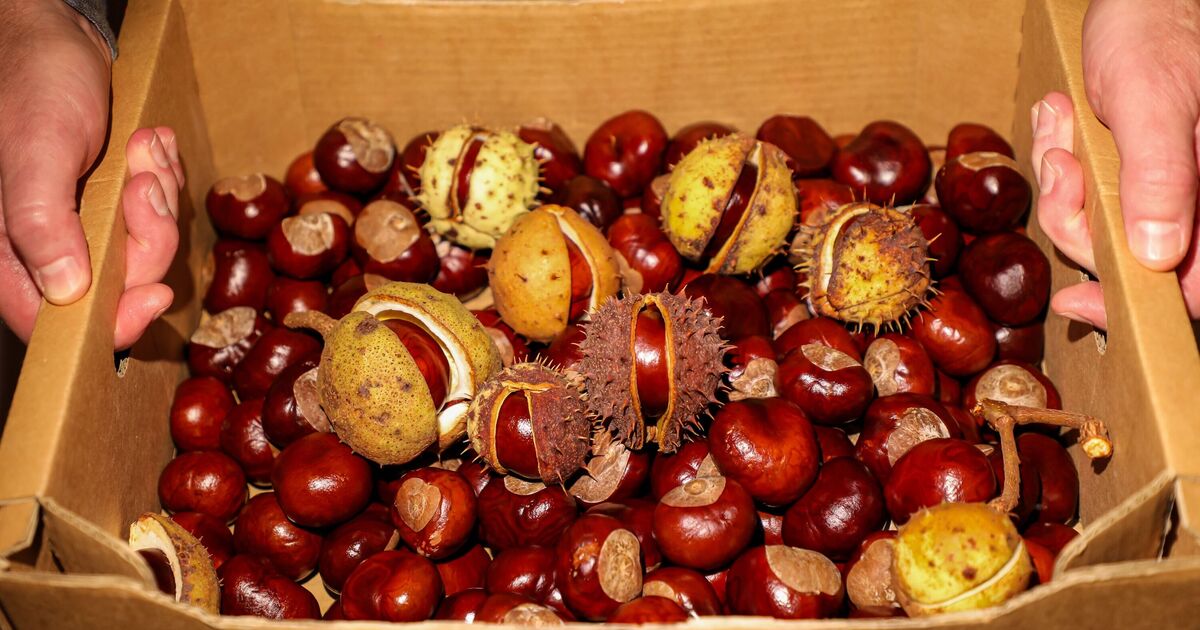
Autumn has arrived, marking the start of conker season. These are the shiny brown seeds of the horse chestnut tree that are enclosed within a spiky green shell.
As autumn progresses, conkers drop from the trees in large numbers. While they serve as food for certain animals like squirrels and deer, they pose a significant poisoning risk to dogs, cats, and humans.
Conkers contain a toxic chemical known as aesculin, which can cause serious health issues in both dogs and cats, even in minute amounts.
Due to this danger, veterinarians have issued urgent warnings to pet owners as the fall season ushers these risks into gardens, walking trails, and popular forest paths.
Bubblegum Search, a pet marketing firm, has reached out to an experienced veterinarian who stresses the importance of preventing our cherished pets from consuming conkers this season.
Quick response saves lives
Dr. Berkcan Yanar, a certified veterinarian and a reviewer for PawsRank, states that conkers can lead to several symptoms in dogs that owners should be vigilant about observing.
He cautions: “Conkers contain a toxic compound called aesculin that is toxic to dogs even in small amounts. If a dog swallows or chews conkers, the aesculin can irritate the gastrointestinal tract and, in some cases, the nervous system of the dog.”
Typical symptoms can appear within hours of ingestion and include drooling, vomiting, diarrhoea, abdominal pain, and loss of appetite. In more severe cases, dogs may exhibit signs of restlessness, shivering, or even seizures.
Hidden dangers beyond toxicity
Dr Yanar points out that the risks go beyond toxicity: “Something few owners know is that conkers also have the potential to cause choking or intestinal blockage even if the toxin does not result in major poisoning.
“Larger dogs will chew them, and smaller dogs swallow them whole, causing potentially life-threatening obstructions that in some cases must be surgically operated on,” he adds.
Autumn vigilance is crucial
The seasonal nature of the threat means dog walkers must be particularly vigilant during the fall.
Dr Yanar stresses: “I always advise owners to be extra vigilant in autumn months when conkers are abundant in parks, gardens, and woodlands.”
Search data collected by Bubblegum Search shows public awareness peaks each autumn, with searches by dog owners for “are conkers poisonous to dogs?” coinciding with the main conker-fall season across British parks and streets.
What should the emergency response be
Immediate action is crucial if you suspect your dog has eaten conkers, according to Dr Yanar.
The vet advises: “In case there is a chance that a dog has ingested a conker, it becomes paramount to seek veterinary assistance immediately. Early treatment, such as inducing vomiting, giving activated charcoal, or injecting IV fluids, can greatly tip the odds in your favour and prevent serious complications.”
Veterinarians have urged dog owners to take the following precautions:
- Inspect walking routes for conkers during autumn.
- Consider alternative walking locations away from horse chestnut trees.
- Train dogs with reliable recall and “leave it” commands.
The NHS cautions that horse chestnuts differ from sweet chestnuts and the two mustn’t be mistaken for one another. It also warns that horse chestnuts should never be consumed by humans or animals due to their poisonous nature.
Horse chestnut trees are widespread throughout UK parks, streets, and woodlands, making autumn an especially dangerous period for inquisitive pets.