
Share this @internewscast.com

SAVANNAH, Ga. — Drinking water advisories are issued by officials to safeguard residents from potential illnesses, as highlighted by the Centers for Disease Control and Prevention (CDC).
But do you know what you should and shouldn’t do during a boil water advisory?
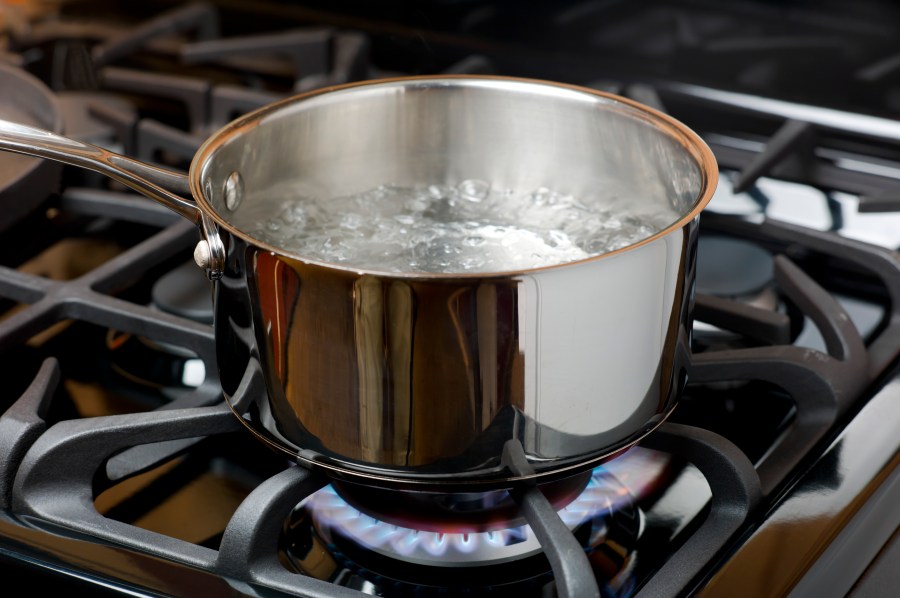
The most important, and obvious, thing to do is use commercially bottled water or boil your tap water.
The CDC advises boiling tap water even if you utilize a home filter or a filtration pitcher. For effective germ elimination, bring the water to a vigorous boil for a full minute.
After boiling, let the water cool completely before use.
During a Boil Water Advisory, the CDC said to use boiled tap water or bottled water for the following:
Drinking and cooking
Use boiled or commercially bottled water for cooking and food preparation. Avoid consuming unboiled tap water until authorities confirm it is safe to drink.
This applies to feeding your baby formula as well.
Officials also suggest using bottled water or boiled water for ice.
Animals also should not be given tap water during a Boil Water Advisory.
“Pets can get sick from some of the same germs as people or spread germs to people,” CDC officials said.
Bathing, showering and brushing your teeth
Be careful not to swallow any water when bathing or showering.
CDC officials suggest giving babies and young children a sponge bath to reduce the chance of them swallowing water.
Brush your teeth using boiled water or commercially bottled water.
Washing dishes
If possible, officials suggest using disposable plates, cups and utensils during a boil water advisory.
Sanitize all baby bottles.
Dishwashers can be used safely if they feature a sanitizing cycle or reach a minimum final rinse temperature of 150°F (66°C). Refer to your dishwasher manual or contact the manufacturer to verify its temperature capabilities.
When handwashing dishes, the CDC suggests washing and rinsing with hot water as usual, then using a separate basin or sink to add one teaspoon of unscented household liquid bleach per gallon of warm water.
You should then soak the rinsed dishes in the bleached water for at least one minute and let the dishes air dry completely before using them again.
Cleaning
Clean washable toys and surfaces with commercially bottled water, boiled water or water that has been disinfected with bleach.
According to the CDC, it remains safe to use tap water for laundry and plant watering. While local officials’ instructions should be observed, it is generally permissible to wash hands with tap water and soap during an advisory.