

CHAMPAIGN-URBANA, Ill. (WCIA) — This August marks two decades since Hurricane Katrina wreaked havoc on communities in the Southeastern United States. In the aftermath of that calamity, a professor from the University of Illinois has been examining the hurricane’s impact on our lives and economic situations.
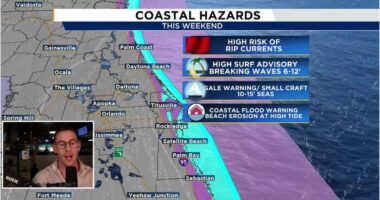
Hurricane Katrina resulted in over 1,800 fatalities and caused more than $125 billion in damages. With Hurricane Erin currently forming between Bermuda and the mainland U.S., WCIA is reflecting on one of the most severe natural disasters in recent history.
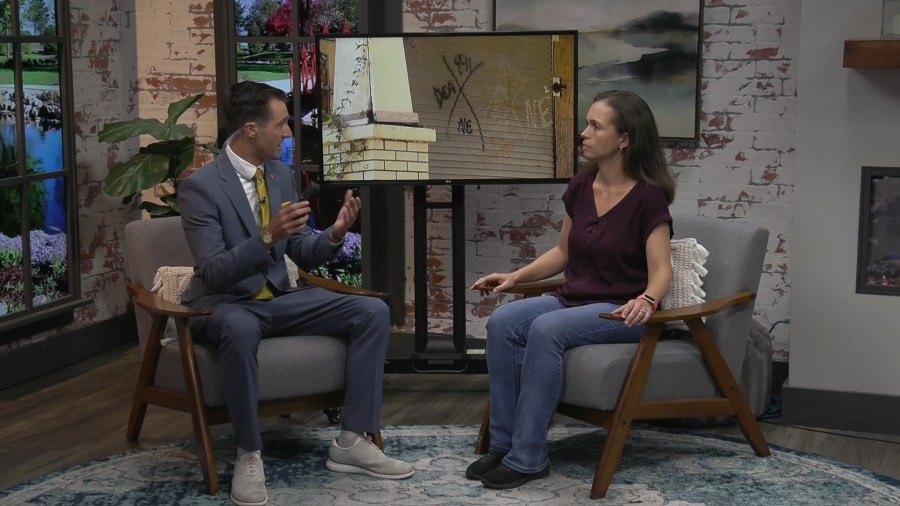
WCIA 3’s Brandon Merano interviewed Professor Tatyana Deryugina, an associate professor of finance at Gies College of Business, regarding her studies on Hurricane Katrina and its effects on individuals living in the affected region.
Deryugina explained that a significant factor in Hurricane Katrina’s destructiveness was the failure of certain infrastructure intended to shield New Orleans.
“The levees collapsed, inundating the city, which is below sea level. The floodwaters claimed many lives and inflicted substantial damage,” Deryugina explained.
Much of the damage remains evident today. However, Deryugina indicated that some positive outcomes emerged from the catastrophe. Her research demonstrated that people are resilient, both in aspects of survival and livelihood.
“We found that people actually lived longer and earned more money as a result of the hurricane,” Deryugina said.
This is because the hurricane displaced people from New Orleans and many of them moved to area with higher wages lower mortality rates.
Deryugina also warned that we are not better prepared to handle natural disaster today than we were 20 years ago.
“A lot of our infrastructure is aging and is in very poor shape. It needs maintenance. and with climate change, we actually need more infrastructure to protect against the more severe disasters that we can expect going forward,” Deryugina warned.
There are a couple of things Illinois can improve upon: this includes things like wetlands and levees and better stormwater management systems.
You can read more about Deryugina’s research online.