
This intricate and ambitious plan relies heavily on several yet-to-be-proven technologies, with the most critical being the refueling of the Starship while it remains in orbit. Dreier pointed out that the exact number of launches required to supply the necessary fuel is still uncertain, but they would need to happen in quick succession.
“We’re looking at potentially a dozen to maybe 20 refueling missions within a month to fully replenish Starship’s tanks, enabling it to journey to the moon and return,” he explained. “This kind of operation is unprecedented.”
Achieving in-space refueling represents a significant leap from Starship’s current capabilities, he noted.
“It’s a formidable challenge,” Dreier emphasized. “Without successfully overcoming it, reaching the moon isn’t feasible.”
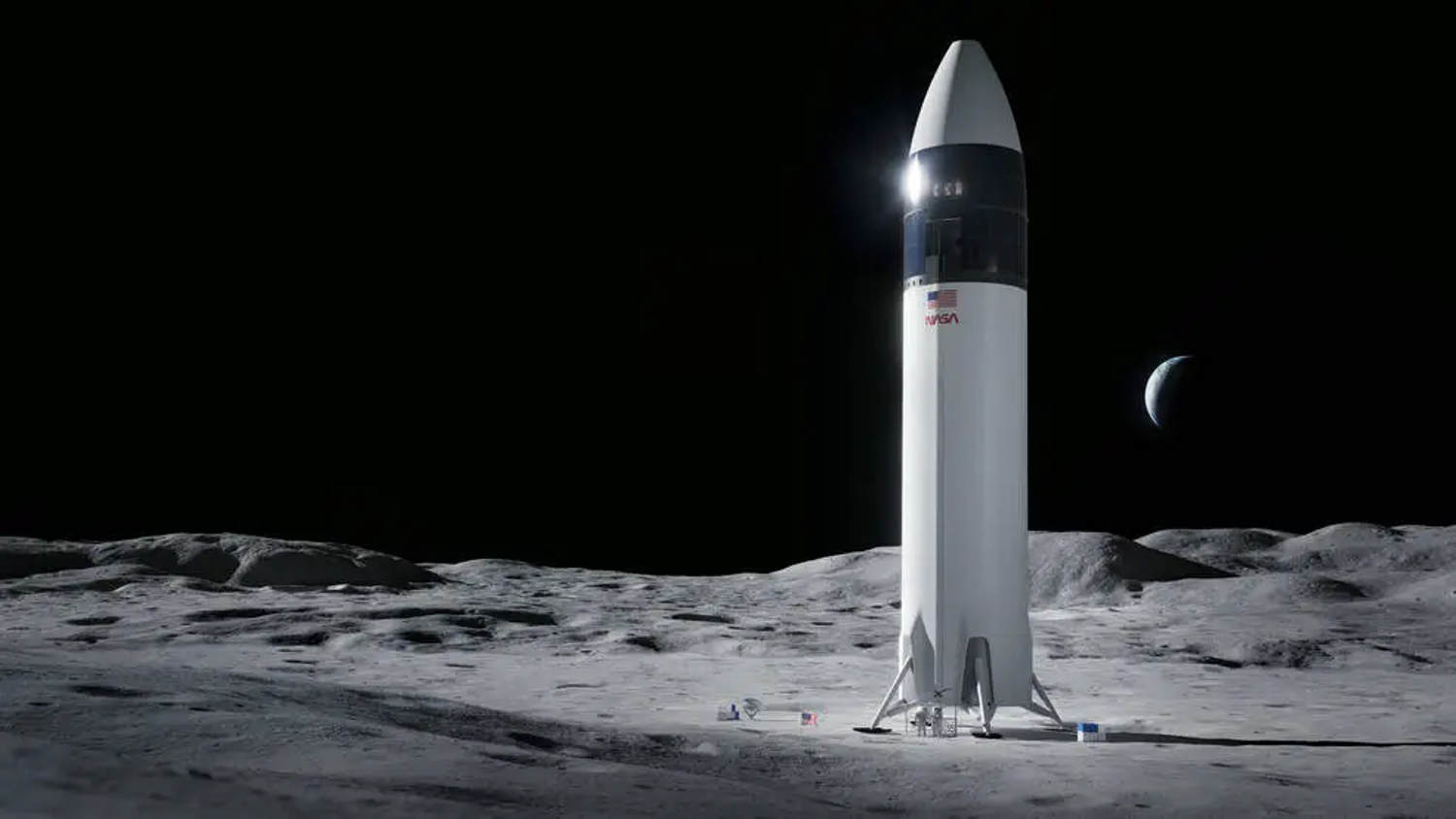
The Starship lander is set to stand nearly 150 feet tall, a stark contrast to the compact, spider-like moon landers utilized during NASA’s Apollo missions. This increased height allows Starship to carry more passengers and cargo, though it might compromise the spacecraft’s stability compared to its Apollo predecessor.
Nonetheless, Dreier remarked that reverting to older technologies would be impractical, primarily due to financial considerations. A single launch of the Saturn V rocket used in the Apollo era would equate to about $2 billion today. In contrast, SpaceX’s goal is to make Starship fully reusable, thus reducing expenses and decreasing the time needed between launches.
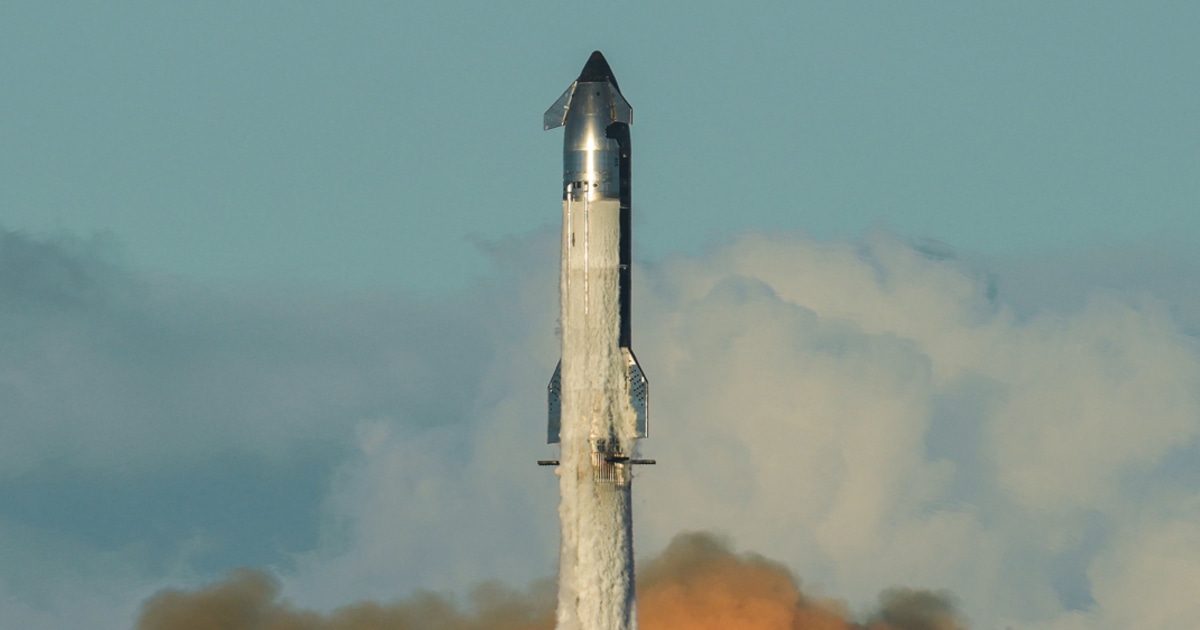
The next step for the company is to roll out its upgraded Starship prototype, which will be around 5 feet taller and have new docking mechanisms, greater energy storage and software upgrades to prepare it for long-duration flights.
The new version will be used for Starship’s first orbital flights and will help SpaceX test key procedures, such as transferring fuel and carrying payloads into space, SpaceX officials wrote in a post following Monday’s test.
Future flights, like the one this week, will be closely watched as China’s 2030 goal approaches.
“Four years in the space world is almost no time at all,” Dreier said. “These are incredibly complex and demanding things because space is trying to kill you all the time.”