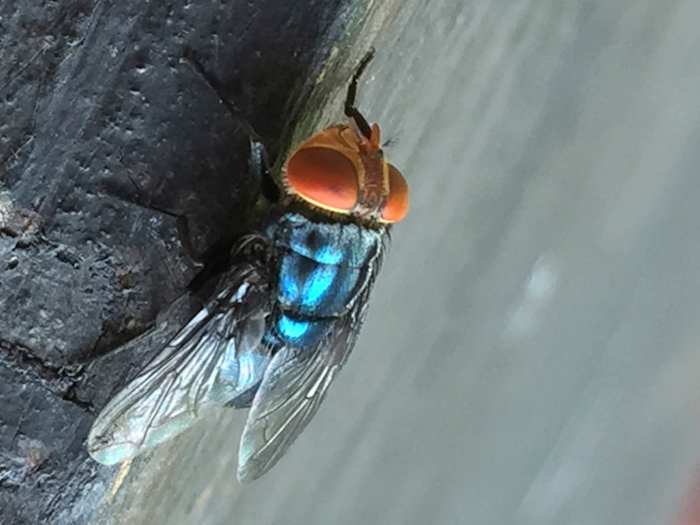


For the first time in over fifty years, the New World screwworm fly poses a significant threat to the United States’ cattle industry, valued at an imposing $113 billion. This alarm was raised following the confirmation of an infestation by the flesh-eating larvae of these flies in southern Texas.
The initial discovery occurred in a three-week-old calf located in La Pryor, Texas, a mere 100 miles southwest of San Antonio and only 50 miles from the U.S.-Mexico border. Federal and state authorities have been on high alert, striving to prevent this menacing parasite from infiltrating Texas. The state’s cattle market alone is worth a staggering $17 billion, making it the leading cattle-producing state in the nation.
This unsettling resurgence follows the detection of the deadly flies in Mexico in late 2024, after years of containment efforts had successfully restricted them to Panama.
Historically, these flies plagued cattle ranchers annually from at least the 1930s until the 1960s. Their eradication in the U.S. was achieved through an innovative program that bred sterile male flies, which were then released en masse from aircraft to mate with wild females, effectively curbing reproduction. The USDA indicates that this recent case marks the first appearance of the screwworm fly in Texas since 1966.
As the situation develops, it is crucial to understand the nature of these flies, the potential damage they can inflict, and the measures being taken to counteract their spread.
Due to their unique characteristics and aggressive nature, these flies present a significant threat to livestock and, consequently, the broader agricultural economy.
The New World screwworm fly in the Western Hemisphere and its Old World cousin in Africa and Asia are unusual among flies because their larvae, or maggots, eat live flesh and fluids instead of dead material. Females lay their eggs in open wounds and mucous membranes after mating only once in their monthslong lives.
Any warm-blooded animal, including wildlife, pets and occasionally even humans, can be infested.
Livestock are vulnerable because of how they’re handled, Lee Haines, an associate research professor of biological sciences at the University of Notre Dame, said in an email Thursday. Standard practices with cattle can break the skin, including shearing and de-horning, or even moving them in and out of corrals can cause scrapes and cuts. Birth would also make a mother and calf vulnerable, she said.
Stephen Diebel, a Texas rancher and president of the Texas & Southwestern Cattle Raisers Association, added that even wounds “as small as a tick bite,” can put cattle at risk.
“These flies can lay eggs in very, very small places,” he said.
Scientists and cattle groups say that infested wounds become foul-smelling and cause animals great pain or death if an infestation is not treated. In decades past, ranchers had tens of millions of dollars in losses — potentially billions in today’s dollars.
But agriculture officials were quick to note that the fly does not infest food.
Officials sounded alarms for nearly 2 years
Federal and state officials and cattle industry leaders have been sounding public alarms about the fly’s movement through Mexico and toward the U.S. since a case was confirmed in southern Mexico in November 2024.
The spread has hit Mexico’s beef industry hard, particularly after U.S. Agriculture Secretary Brooke Rollins closed ports of entry along the border to livestock imports in July 2025 to prevent the fly from reaching Texas.
Mexico has confirmed thousands of infestations, and Rollins has argued that the government there has not done enough to control animals moving within the country, a suggestion Mexican authorities have rejected. Rollins also has blamed former Democratic President Joe Biden’s administration, arguing that weak border security has been a factor in the flies’ migration.
But Haines said climate change is a key element in the spread of a tropical species that thrives in warm weather and disappeared after cold snaps in the U.S.
“The cold snaps that once suppressed stray populations in marginal northern regions are becoming rarer and less severe, thus removing a natural biological check on the flies’ migration north,” she said. “ Warmer temperatures are also expanding the geographical band of suitable habitat northward.”
Officials quarantine a swath of Texas
Texas State Veterinarian Bud Dinges imposed a 12-mile (20-kilometer) quarantine zone covering much of Zavala County, home to La Pryor, and a small part of neighboring Uvalde County. Animals cannot leave that zone without being inspected. Dinges has urged people to check their animals — including pets — and to “stay put.”
Rollins said the fly doesn’t travel hundreds or even tens of miles on its own. “The only way this spreads is through animal movement,” she said.
Local ranchers are concerned that the fly will spread among wildlife, particularly deer. The last U.S. outbreak was largely among deer in the the Florida Keys in 2016, though one case was confirmed last year in a Maryland man who had traveled to El Salvador and recovered. In the 2016 Florida instance, the fly was eradicated within six months by releasing sterile male flies to mate with the females.
In Texas, Haines predicted, “Their numbers will continue to expand in wildlife populations.”
In Texas, shots and fly drops
Rollins said that the USDA has been dropping millions of sterile male flies in south Texas since February in hopes of blocking the insects’ spread. The plan is to continue doing so.
The USDA opened a center in south Texas in February to disperse flies bred in Panama, and it invested $21 million in a new fly-breeding facility in southern Mexico that is expect to start operations next month.
Diebel, whose family ranch is about 200 miles (322 kilometers) east of the quarantine zone, said ranchers are proactively giving injections that prevent screwworm infestation. They’re also taking extra care to treat wounds from ear tagging and other practices and keeping a close eye for signs of illness.
“Surveillance is one of the biggest things — just constantly monitoring those cattle,” Diebel said.
He said he wouldn’t be surprised to see other isolated cases confirmed, but added, “I’m very confident we can keep this at bay.”
Officials rely on time-tested science
Government and industry officials are confident that they contain the fly in the U.S. because the best method for eradicating the pest is both time-tested and highly effective: releasing sterile male flies into the wild. While males are “promiscuous,” in the scientific sense, females are not, and if their one mating hookup is with a sterile male, no eggs from that female will hatch.
Once sterile males are prevalent enough — and millions a week can be released — the fly’s population declines and then dies out.
The U.S. shut down its own fly factories after the pest was eradicated decades ago, leaving only an international breeding facility in Panama in the Western Hemisphere until the new one in Mexico opens. However, the USDA also is spending $750 million to build a fly factory in southern Texas that can produce up to 300 million sterile flies a week.
“The sterile insect is not only the most effective tool we have, but it is also considered one of the most environmental friendly insect pest control methods ever developed,” Rollins said.


