

KERRVILLE, Texas – The U.S. Department of Agriculture announced on Monday the confirmation of two additional cases of the New World screwworm in Texas, highlighting the ongoing challenge of controlling a pest that poses a serious threat to the country’s cattle industry.
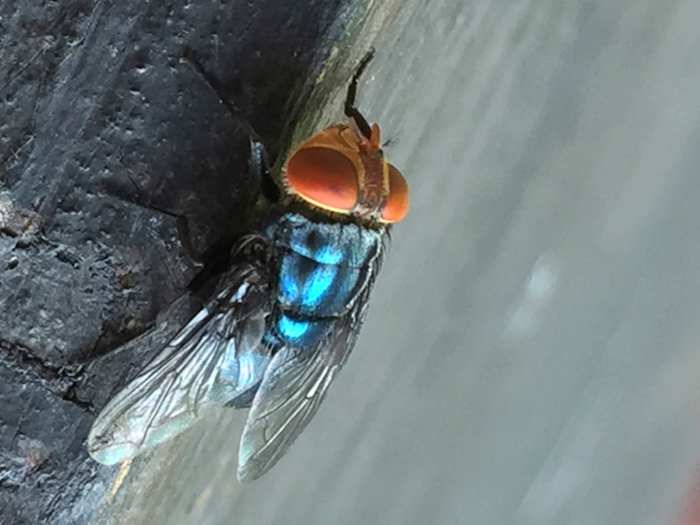
The New World screwworm is not an ordinary pest; it is a type of fly whose larvae feed on living tissue rather than decaying matter. These flies lay their eggs in open wounds of warm-blooded animals, including cattle, wildlife, pets, and even occasionally humans.
The USDA reported that the newly identified cases occurred in a calf and a dog, found in La Salle and Andrews counties respectively, which are separated by several hundred miles. This brings the total number of confirmed cases to four. The pest was initially detected in a three-week-old calf last week, shortly followed by another case in a nearby young calf.
“As we tackle these cases that demand immediate action and continue to investigate other suspected instances, our goal remains to eradicate this pest completely,” stated Dudley Hoskins, USDA’s Undersecretary for Marketing and Regulatory Programs, in an official release.
In the past, before its eradication in the U.S. during the 1960s, this fly was a persistent problem for cattle ranchers during warmer months.
Following the detection of the screwworm in Mexico in late 2024, after it had been largely contained to Panama’s southern regions for decades, both the USDA and the U.S. cattle industry have been working diligently to prevent a widespread infestation.
The government fights the fly by breeding sterile male flies, which then mate with wild females that only mate once in their monthslong life. By mating with sterile flies, the females don’t produce more flies and outbreaks can eventually be halted.
The USDA has announced plans to increase sterile fly production in plants outside the U.S. while it builds a fly factory in Texas.
USDA Secretary Brooke Rollins will be briefed on the infestation Monday afternoon at the U.S. Livestock Insects Research Laboratory in Kerrville, Texas.
___
This story has been updated to correct the spelling of Kerrville.


