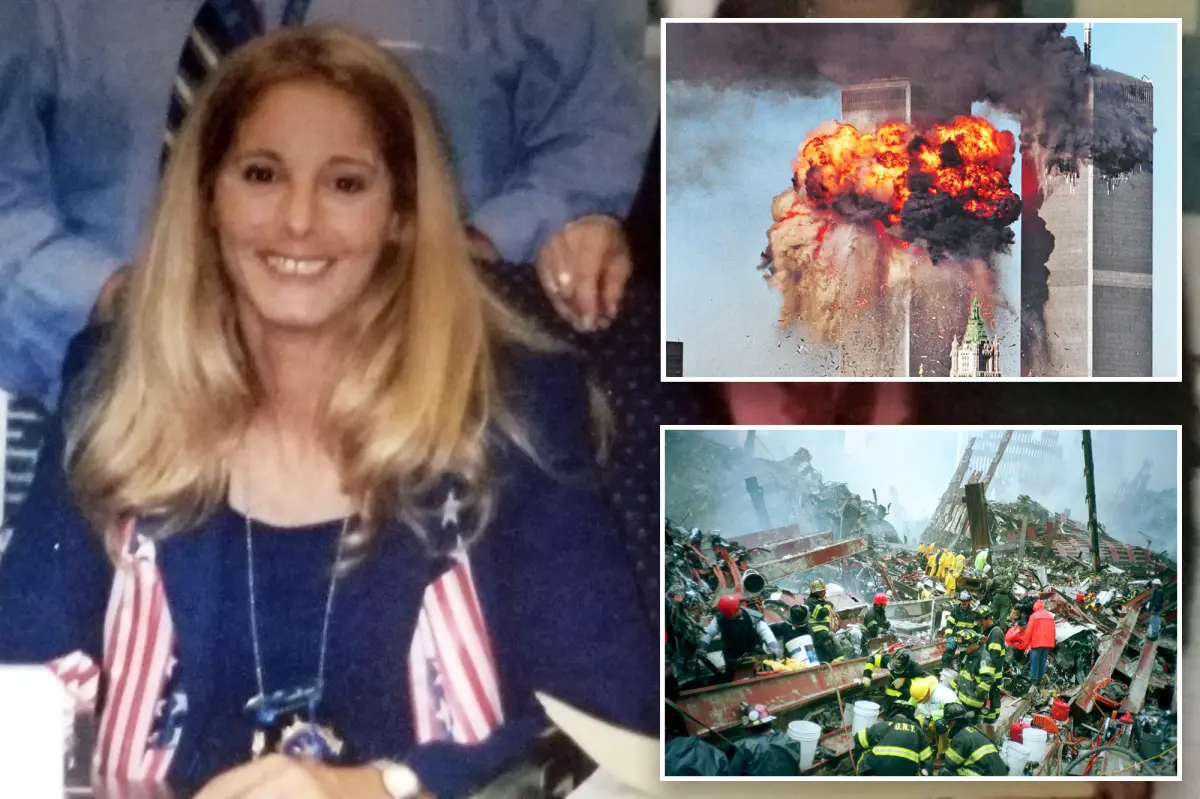
Deaths tied to illnesses connected to the Sept. 11 attacks have surpassed 10,000, marking a grim new milestone as cancer diagnoses associated with Ground Zero’s toxic dust continue to rise, The Post has learned.
An October report from the September 11th Victim Compensation Fund shows that 10,029 claims have been filed on behalf of people who died from 9/11-related conditions. That figure represents a 1,544% increase from the 610 deceased claims recorded at the end of 2015.
“That is an astounding, horrifying and heartbreaking statistic,” said attorney Michael Barasch, who represents roughly half of all 9/11 claimants. “But I have to tell you, the true number is probably thousands higher.”
As of November, the federal fund had approved 6,397 awards involving deceased claimants. Of those, 5,997 were related to cancer, meaning the disease appeared in 93% of all decisions involving death claims, according to the fund’s data.
The difference between the number of claims submitted and awards approved is largely the result of a lengthy review process, which can take more than a year, Barasch said.
Barasch’s law firm is handling nearly 2,000 cases that remain “trapped somewhere between the courthouse and the federal claims system,” according to the firm. Claims submitted on behalf of a deceased person’s estate must first receive approval from surrogate’s courts, a step that can also take more than a year.
“I speak with people every day, and I’m still stunned by how many don’t know they may qualify,” said Barasch, who worked in the contaminated area and was later diagnosed with 9/11-related prostate cancer.
Thousands of first responders took part in the recovery operation at Ground Zero, while hundreds of thousands of people lived, worked or remained in the surrounding area after the Environmental Protection Agency declared New York City’s air safe to breathe, Barasch said.
Those exposed to the toxic dust and debris may be eligible for financial assistance and medical care provided through the Zadroga Health and Compensation Act, which became law in 2010.
Former Manhattan Family Court clerk Christine Sakoutis had arrived in Manhattan from Staten Island when the first plane hit the World Trade Center on Sept. 11, 2001.
The 63-year-old, who receives benefits through the program, said she ran toward the towers.
“When the first building came down, this huge cloud rolled over us,” she said. “It was completely black, and you couldn’t breathe.”
CONTINUE READING: Elk Grove Man Gets Life Without Parole in Parents’ Inheritance Murders
Sakoutis said she spent the next 10 days assisting at the wreckage before moving to a nearby aid center. The court system and her union later honored her for her bravery.
Her health took a serious turn in 2017.
“I went to the doctor, and they found a spot,” she said. “It turned out to be 9/11 lung cancer.”
Doctors removed the tumor and treated her with chemotherapy. She has remained nearly cancer-free ever since.
“I’m incredibly fortunate,” said the Staten Island resident. “They found it early enough that it could be cured.”
Doug Mandelkow’s father, FDNY fire inspector James Mandelkow, died of esophageal cancer in 2013, just six months after receiving his diagnosis.
Following the attacks, James worked at a phone bank in Lower Manhattan, contacting the families of FDNY members to provide information about their loved ones during the recovery operation.
After his diagnosis, he initially hesitated to seek assistance from the compensation fund because he had not worked directly on the pile, his son said.
“He mistakenly believed that only people who worked on the pile were covered,” Doug recalled. “Eventually, he understood that the entire area had been affected.”
James Mandelkow was only 54 when he died.
“It’s devastating that this number continues to climb every year,” his son said. “The right thing would have been to clearly acknowledge from the beginning that the air was toxic in 2001. Unfortunately, that isn’t what happened.”


