
Share this @internewscast.com
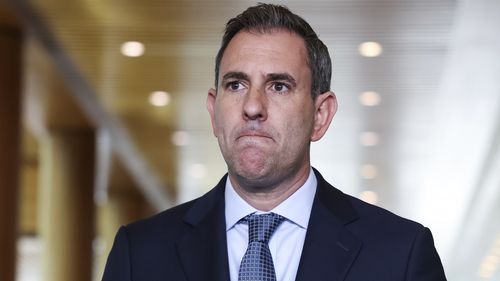
Australia’s Treasurer, Jim Chalmers, is considering the impact of rising oil prices on the upcoming federal budget in May. Current projections indicate that the inflation rate, currently at 3.8%, could climb even higher, surpassing the Reserve Bank’s target range of two to three percent.
In an interview with Sky News, Chalmers explained, “We’ve examined several scenarios based on realistic assumptions about global oil prices and their potential effect on inflation, including the duration of this impact.”
On the economic front, the situation could see average Australians facing an additional $220 a month in expenses, affecting home loan repayments, fuel, and grocery costs, according to financial expert Croucher.
The ongoing conflict in Iran, now in its third week, has disrupted the passage of oil through the Strait of Hormuz, a crucial route that typically facilitates the movement of one-fifth of the world’s oil supply.
Though optimistic that the conflict will resolve soon, Chalmers cautioned that it might persist longer if required.
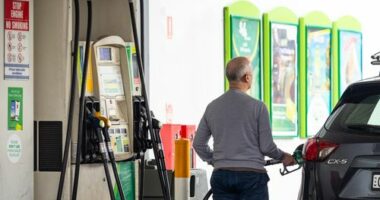
Given that Australia relies on imports for 90% of its oil, the country has released 20% of its petrol and diesel reserves to bolster supply in areas facing shortages.
Energy Minister Chris Bowen this week confirmed the country has 1.6 billion litres of petrol, 2.7 billion litres of diesel and 800 million litres of jet fuel available – translating to 37 days’ worth of petrol, 30 days of diesel and 29 days of jet fuel.
NEVER MISS A STORY: Get your breaking news and exclusive stories first by following us across all platforms.