
Share this @internewscast.com
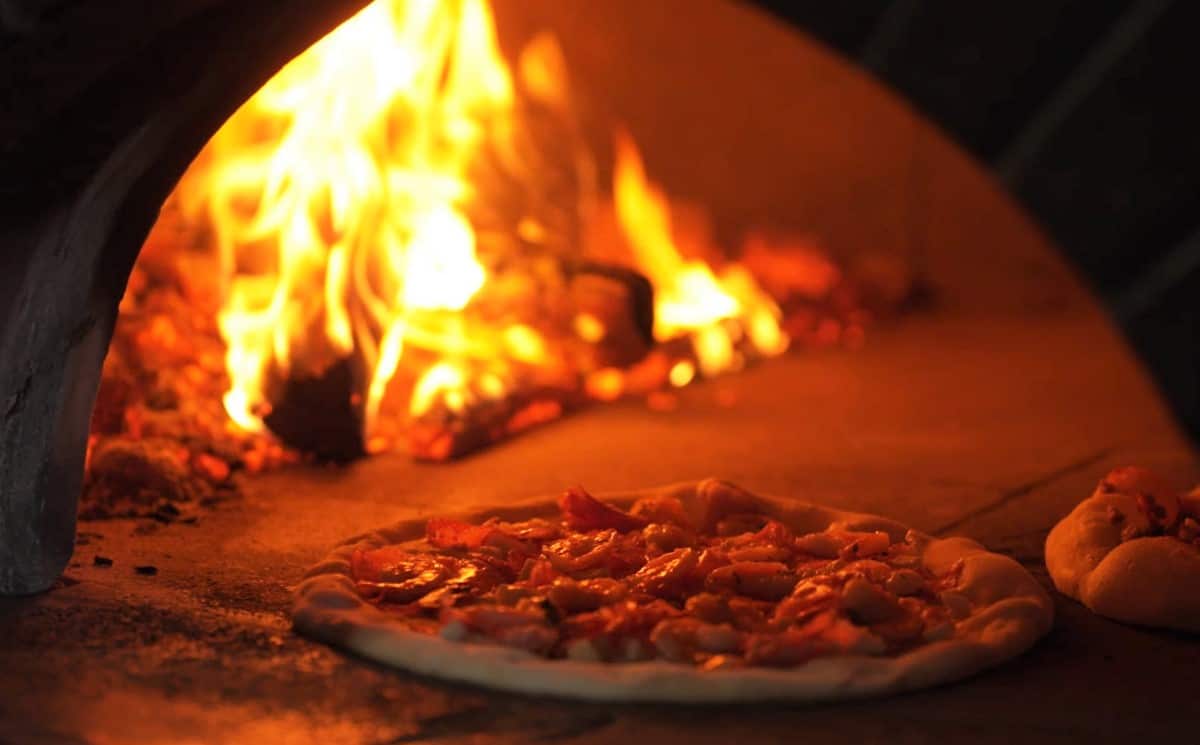
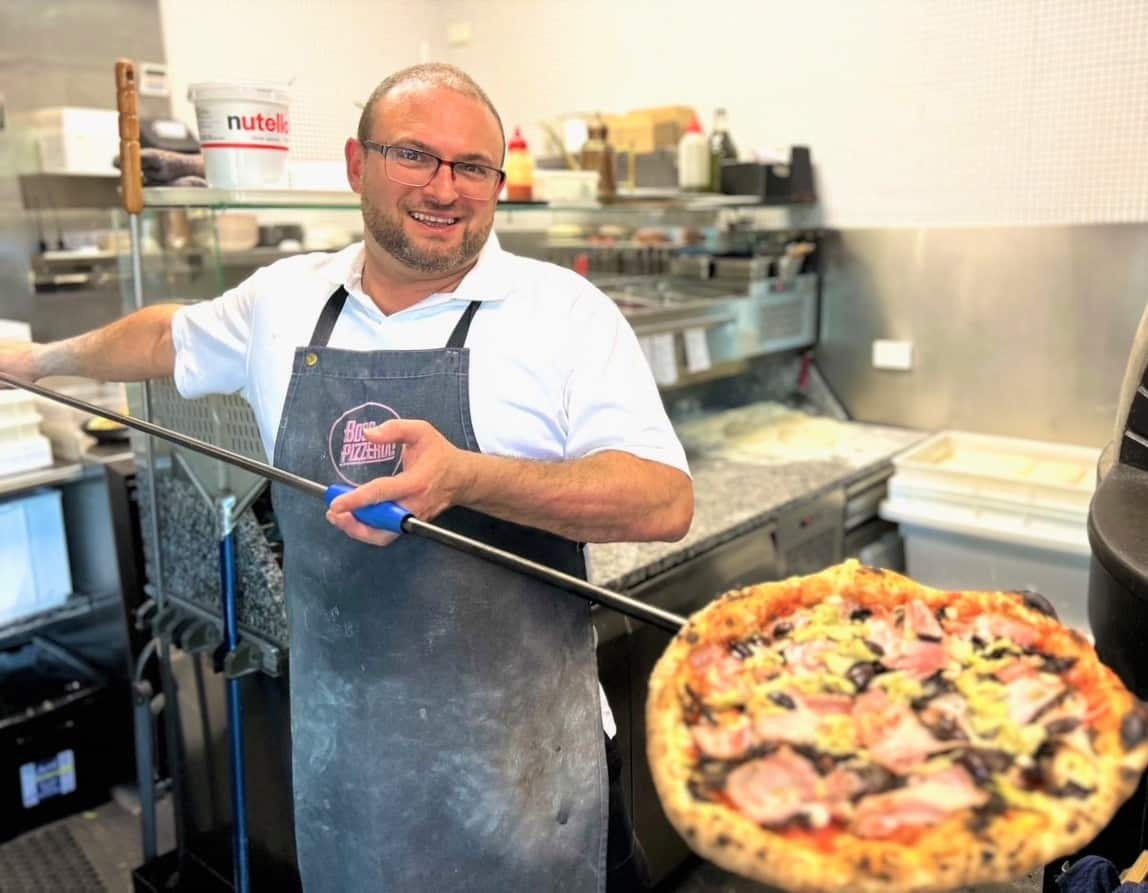
Every day at Boss Pizzeria, a bustling Italian eatery in Melbourne’s eastern suburbs, the wood oven is meticulously tended to, reflecting the heart and soul of the restaurant.
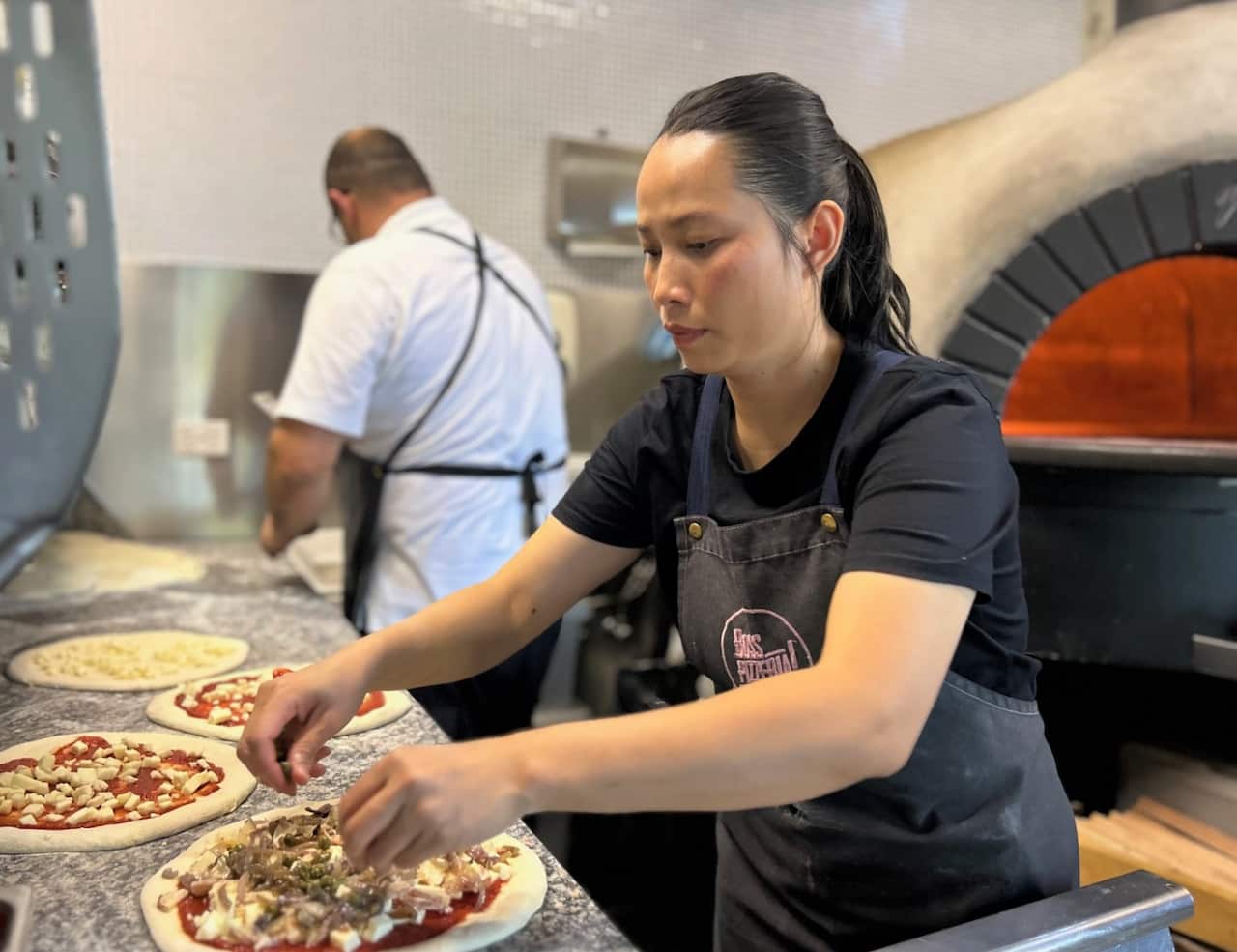
Owners and life partners Sansita Bootsrakoothanachok and Daniel Barrese have not only navigated the challenges of running a restaurant but have also managed to purchase their first home, marking a significant personal milestone.
“We are incredibly proud; achieving such a major life goal feels amazing,” Bootsrakoothanachok, 37, shared in an interview with SBS News.
Their journey to success, however, was not without obstacles. They had to work hard to improve their financial situation and manage escalating expenses.
“We always had a full house, and diners loved our offerings, yet our revenue wasn’t enough to cover all expenses,” Bootsrakoothanachok explained.
“Once we covered wages, rent, and operational costs, there was nothing left for us, so we went without a salary,” she admitted.
“Everything was gone from our account. So, it’s not very good for the business.”
To boost profits, the couple needed to cut back hard.
“At first it was very stressful, I have to be honest, and we had to make many sacrifices,” she said.
Working harder and not drawing a salary is an all-too-familiar small business story, according to credit reporting agency CreditorWatch.
Soaring prices and falling revenues have forced many restaurant and cafe owners in Australia to give up over the past year.
“Around one in 10 food service businesses are shutting their doors,” said CEO Patrick Coghlan.
“That could be voluntary administration, it could be insolvency, it could be just closing the business down.
“But this is a record high failure rate and double the national average,” he said, referring to data in the latest Business Risk Index for January.

Bootsrakoothanachok and Barrese have survived by analysing costs and making adjustments, such as curbing food waste and getting up early to buy fresh vegetables at the market.
Reducing floor staff has also helped to boost cash flow.
“At first, Daniel was busy in the kitchen, so he had to put a lot of staff on the floor,” Bootsrakoothanachok said.
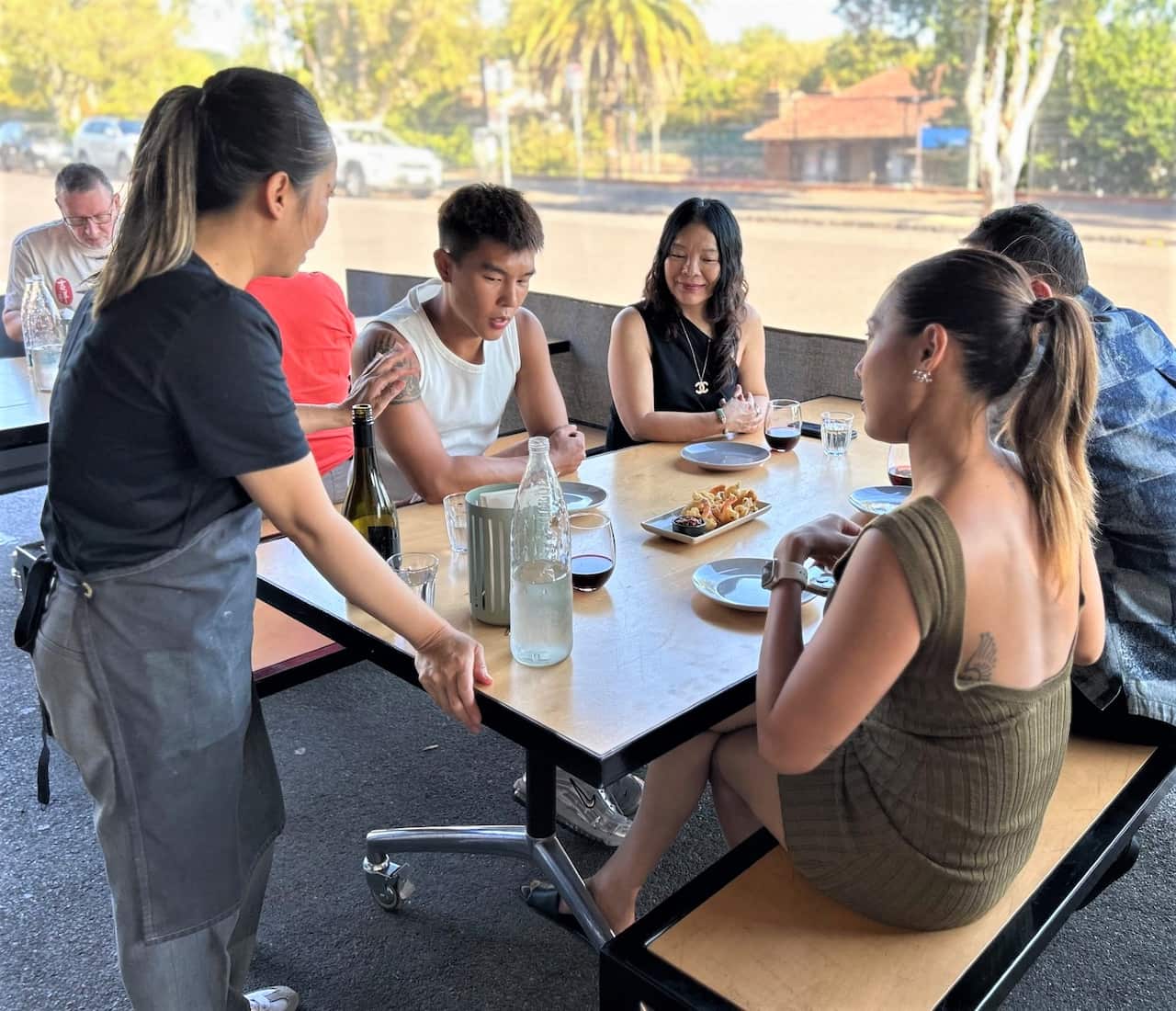
“But I said ‘I can manage the floor alone when we not busy and even when we have a full house, I can handle more tables’.”
Handling more roles was an exhausting move that took a toll on the couple, who married seven years ago.
“Sometimes we nearly gave up, and my husband actually asked me if I was alright to keep going,” Bootsrakoothanachok said.
A migrant from Thailand, Bootsrakoothanachok studied tourism. Barrese trained as a chef in Italy, before migrating to Australia.
“I told him that because I am from Thailand, I am a fighter,” Bootsrakoothanachok said.
“And after a year, we met our accountant who asked what we did with the place, because suddenly we started to turn more profit,” she said.

However, Coghlan said in the current economy, many cafe and restaurant owners are losing the battle against financial stress.
“The hospitality industry is one of the riskier industries in Australia, and pressure has been building for months,” he said.
It’s a sentiment echoed by Wes Lambert, CEO of the Australian Restaurant and Cafe Association.
“The cumulative effect of wage and interest rate rises plus other cost increases means that conditions in 2026 are as bad as they have ever been,” he said.
“Operators around the country are telling us that there is no money in hospitality, and many are not paying themselves.
“They are certainly are not able to pay any arrears to the Australian Tax Office or clear any back rent that is due.
“If interest rates and mortgage payments continue to rise then already sluggish demand in many segments of food service will only get worse,” he said.
Limited spending power
New Australian Bureau of Statistics data reveals that Australians’ pay rises are falling behind the rising cost of living.
The Wage Price Index for the 12 months to December 2025 showed that wages grew 3.4 per cent, lower than inflation for the same period of 3.8 per cent.
This is reducing disposable income for dining out.
It also means that smaller food service operators running on razor-thin margins are likely to remain at risk, Coghlan said.
“Unfortunately, Australia’s food service industry is really under pressure. It is already experiencing a higher rate of business closures than any other industry.
“With recent increases in interest rates and continuing consumer price index challenges, we expect that to continue to really hurt this industry for the rest of the year.
“The cost of ingredients, utilities have climbed and continue to climb.
“We are also seeing rent pressure, which is squeezing cafes, dining rooms and restaurants.
“Many owners are locked into leases in key retail precincts where landlords have pushed sharp increases as pandemic-era concessions ended,” he said.
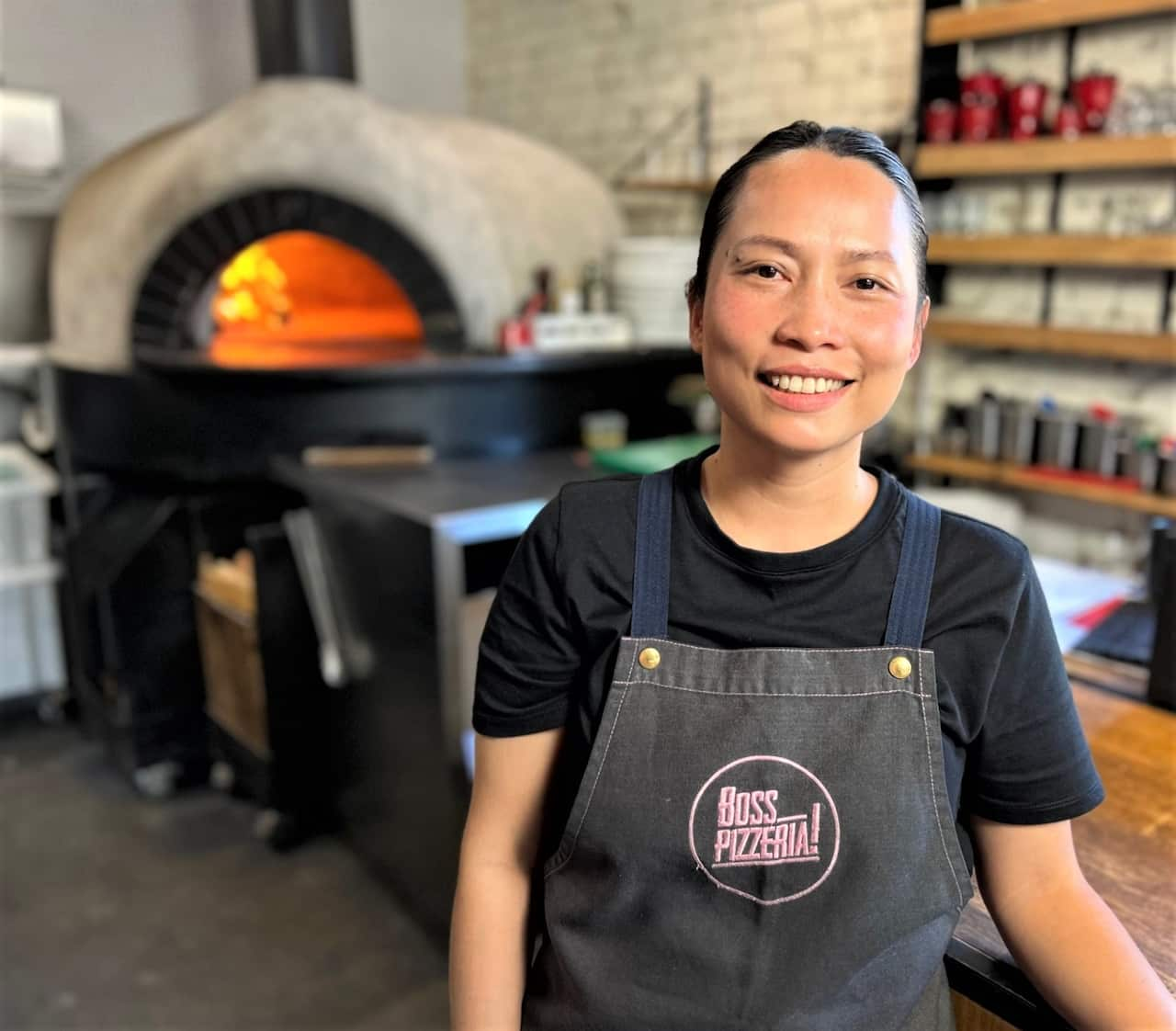
Hard work and cost-cutting have helped turn the tables at Boss Pizzeria, and Bootsrakoothanachok hopes to be an inspiration to others.
“We’ve been able to get rid of all our debts, so we do not have any loans associated with the business,” she said.
Friendly customer service has also helped build customer loyalty.
“This is the best pizza I’ve ever had, and I keep coming back because I love the taste, I love the atmosphere,” patron Angela Harris said.
Bootsrakoothanachok hopes to open a second business this year, and recently returned from visiting family in Thailand.
“I just have to keep fighting until I win, and I have actually won now,” she said.
“So, I am very proud of myself.”
This story was produced in collaboration with SBS Thai.
For the latest from SBS News, download our app and subscribe to our newsletter.