In brief
- Numerous groups have called on government to pause AI data centre approvals in Australia.
- There are questions about the amount of electricity and water the data centres consume.
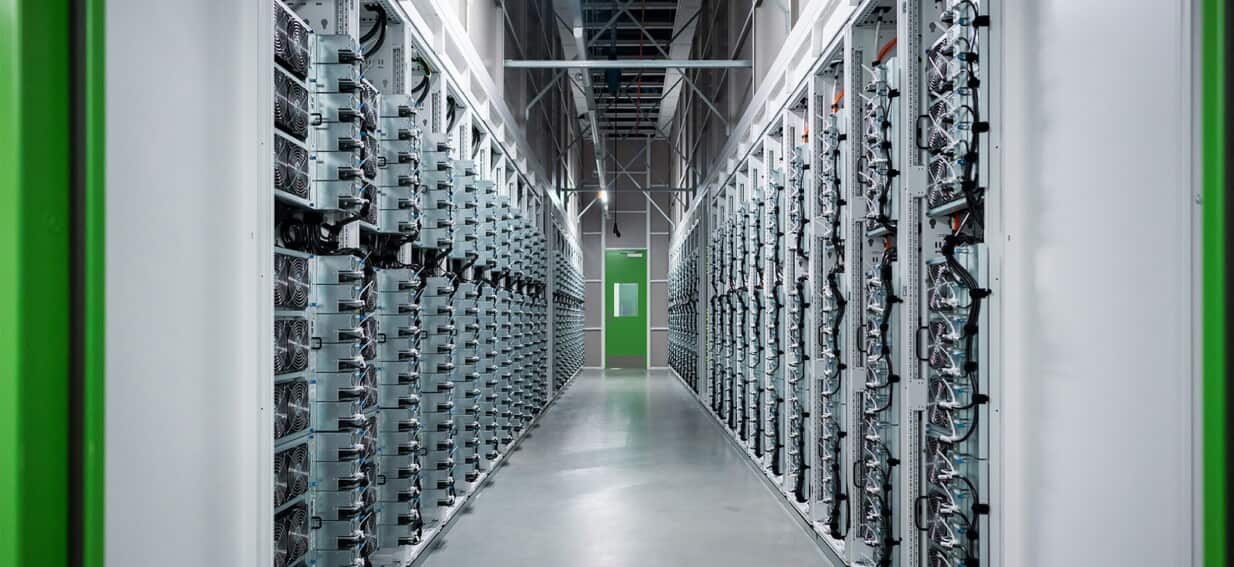
Amid growing concerns over the environmental footprint of burgeoning artificial intelligence hubs, community and environmental advocates in Australia are urging a halt to data centre approvals. They argue that a pause is necessary until authorities can fully assess their impact.
Highlighting these concerns, Sydney Water has repeated its warning that within a decade, data centres could consume up to a quarter of the city’s drinking water supply. This potential strain would necessitate significant infrastructure investments to accommodate the increased demand.
The urgency of these issues was underscored during the third hearing of the New South Wales government’s inquiry into data centres. The session, held on Friday, featured testimony from a variety of stakeholders, including energy providers, local councils, and business groups.
Australia is currently the world’s second-largest recipient of data centre investments, driven by tech companies eager to support the rising demand for AI technologies. However, as these facilities proliferate, there is escalating concern about their consumption of vital resources such as electricity and water.
Alexander Hoysted, strategy lead for the Carbon Zero Initiative, voiced apprehensions about the unchecked growth of data centres. “It’s akin to a sneeze,” Hoysted remarked. “It starts gradually, but then the issues can escalate rapidly and unexpectedly.”
“It’s a little bit like a sneeze — it starts slowly and then all of a sudden these issues burst onto the scene very quickly,” he said.
Despite claims data centres’ water consumption had been exaggerated, Sydney Water managing director Darren Cleary repeated the organisation’s forecast that data centres could use up to 25 per cent of the city’s drinkable water by 2035.
“Our forecasts do reflect applications that are coming in that are planning to go ahead and there’s clearly uncertainty when we get towards that 10-year time frame,” he said.
“We have a large new industry developing in west or in greater Sydney that will add a significant new demand to our system.”
Data centres’ commitments to renewable energy should also be examined closely, Greenpeace Australia Pacific campaigner Solaye Snider said, and a moratorium should be placed on approvals until the industry has greater certainty.
“We need to pause, especially on the largest and most energy-intensive proposals right now, because we simply don’t have enough renewable energy readily available,” she said.
“We also want to scrutinise some of the claims that are being made by data centre operators and the data centre lobby around this.”
The Lane Cove Responsible Planning Group also called for a moratorium, with member Paul Trainor telling the inquiry planning regulations were inadequate.
Six data centres were planned for the Sydney suburb, he said, including one within 20 metres of homes and 160m of a school, despite concerns about noise and air pollution.
“If data centres are truly critical infrastructure, they must be planned to a far higher standard and not cluster beside homes, beside schools, beside recreation areas without enforceable statewide planning rules and cumulative impact assessments,” he said.
New regulations should address concerns about their water use, housing and cost recovery, Urban Development Institute of Australia chief executive Stuart Ayres said, but also give developers greater certainty.
“The issue of this inquiry is not whether NSW should accommodate data centres — it should,” he said.
“The question is whether they are planned, serviced and approved within a transparent, disciplined planning framework.”
For the latest from SBS News, download our app and subscribe to our newsletter.