
When Magdalena Klopfer was preparing to move into a residential aged care facility 11 years ago, she was nervous about the change. But there was one thing she wasn’t worried about: the food.
“They were cooking the same as I was cooking at home,” she says.
Magdalena, who turns 100 next week, is a resident at Árpád — a 62-bed Hungarian aged care facility in Melbourne’s east. On the menu is a range of Hungarian specialties including székelykáposzta (sauerkraut goulash), húsleves (a clear broth soup with beef or chicken and vegetables), and túrós csusza (pasta with cottage cheese and fried bacon on top). On special occasions, they will indulge in pálinka, a Hungarian-style schnapps.
“I eat it all,” she says.
Sitting by her side, Eva Paldy, 88, explains that Christmas feasts at the facility are an especially exciting time.
“It’s absolutely beautiful,” she says, listing the strudels and pastries that are prepared for the holidays.

“Are you getting hungry?”

Three rolls of pastry with different coloured filling

At Christmas, the Hungarian chef at Árpád Aged Care prepares beigli, a sweet bread with poppy seed or walnut filling. Source: Supplied / Árpád Aged Care

In Australia, around 185,00 people aged 65 and over are currently living in residential aged care facilities across the country. Despite improvements to aged care facilities following the Royal Commission into Aged Care Quality and Safety, rates of malnutrition are still high, with one 2024 study from Griffith and Monash Universities suggesting four in 10 residents are still not getting enough nutrition.

But as our diverse population ages, there is growing awareness that culturally appropriate food can make a significant contribution to improving rates of malnutrition, while also increasing overall wellbeing and quality of life.

Meals that spark joy

In 2021, the royal commission stated that access to adequate food is a fundamental human right. Its final report identified food quality as a key problem requiring immediate attention, citing one Victorian study that found 68 per cent of homes surveyed had residents who were malnourished or at risk of malnourishment.
Cherie Hugo is the founder of Lantern Alliance, which is dedicated to improving the quality of life for older Australians through food. She says that four years on from the report, and despite many positive government initiatives driving improvement in the sector, the problem of malnutrition is still “way bigger than it should be”.

“There’s so many reasons why malnutrition is important. It increases health complications. It increases the risk of fall by eight times. It increases pressure injuries, hospitalisations, infections and cognitive decline,” she says.

Hugo says budget constraints play a role, as does a lack of training for kitchen staff. But one overlooked factor is how dietary requirements change as we get older.
“An older person’s protein needs are on par with what you would see for an athlete. But the problem that also happens as we get older is our appetites decrease. So the problem is they’re needing more protein, but not feeling as hungry.”

The issue was highlighted this week by Maggie Beer at a speech given at the National Press Club. The famous former chef was inspired to start the Maggie Beer Foundation to advocate for improved nutrition after visiting a number of facilities where she was “often appalled” by the food that was served there.

A woman in a black shirt holding her hands up wearing orange glasses and earrings

Former chef Maggie Beer spoke at the National Press Club on Wednesday where she described seeing “appalling” food being served in some aged care facilities. Source: AAP / Mick Tsikas

“What was missing was not only the joy in food, but the real belief in most places that beautiful food will make such a difference to the wellbeing of residents and pride of the teams,” she said.

Beer said that some of the best food she’s eaten in aged care facilities were ones with strong links to countries with vibrant food cultures, such as the Italian, Greek and Vietnamese communities.
Hugo agrees that enjoyable food that connects with a person’s cultural identity is a “huge uplift to resident satisfaction”.
“Food is a reflection of identity, it triggers memories, particularly when you have residents living with dementia. It’s something that can bring that spark back.”

Residents are also more likely to finish a meal and subsequently not lose weight, which Hugo says is crucial to older people’s overall health as they age.

More than meatballs

Tasty and culturally appropriate food can bring other benefits too.
While living in an Italian-focused aged care facility during her PhD research, Hugo saw that a successful meal was about more than its nutritional content.
“I remember having a meatball dish that was just delicious. But the thing that hit me was that often in an aged care space, it’s not a noisy space. But what really struck me at this one home were the animated conversations in Italian.”
It appeared people were shouting at each other but Hugo discovered it was a heated debate about what constitutes the perfect meatball recipe.

“The food is there to nourish, but there’s that social connection too. It’s a social lubricant if you have a great meal or you see the menu displayed and people get excited, that in itself elicits conversation,” she says.
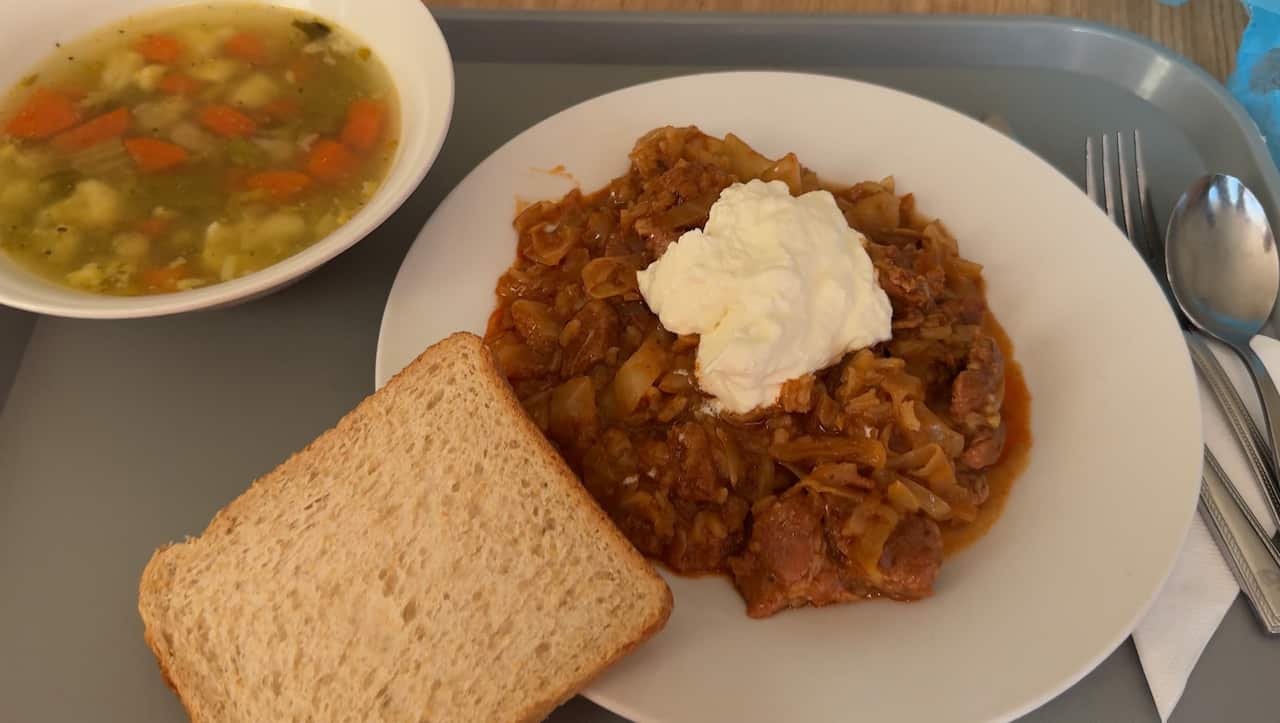
A piece of bread on the edge of a grey plate, with a pile of stew in the middle.

A traditional Hungarian székelykáposzta or sauerkraut goulash, where the fermented cabbage is cooked with the meat and served with a dollop of sour cream on top. Source: Supplied / Árpád Aged Care

Similarly, at the Árpád facility in Melbourne, meal times are social events. Magdalena says that her daughter will often join her for dinner so they can enjoy the food together. They are planning to do so again next week for her 100th birthday.

“She has said to me she likes to come here and eat because it feels like being back home, like the restaurants in Budapest.”

Risottos against social isolation

There are also a growing number of culturally appropriate options catering to the older Australians who want to continue living independently at home.
In Adelaide, not-for-profit initiative Nonna’s Cucina delivers home-cooked Italian food to 500 clients.
CEO Marco Staltari says the service started 26 years ago out of concern for older members of the Italian community who were struggling to cook for themselves, and the meal services on offer “didn’t really suit Italian tastebuds”.

They emphasise flavours that Italian migrants grew up with. Traditional creamy risottos cater to those with northern Italian heritage. For Italian Australians with heritage from the south, they prepare pipi e patate, a dish of capsicum and potatoes. They also provide texture-modified foods to support people who are at higher risk of choking.
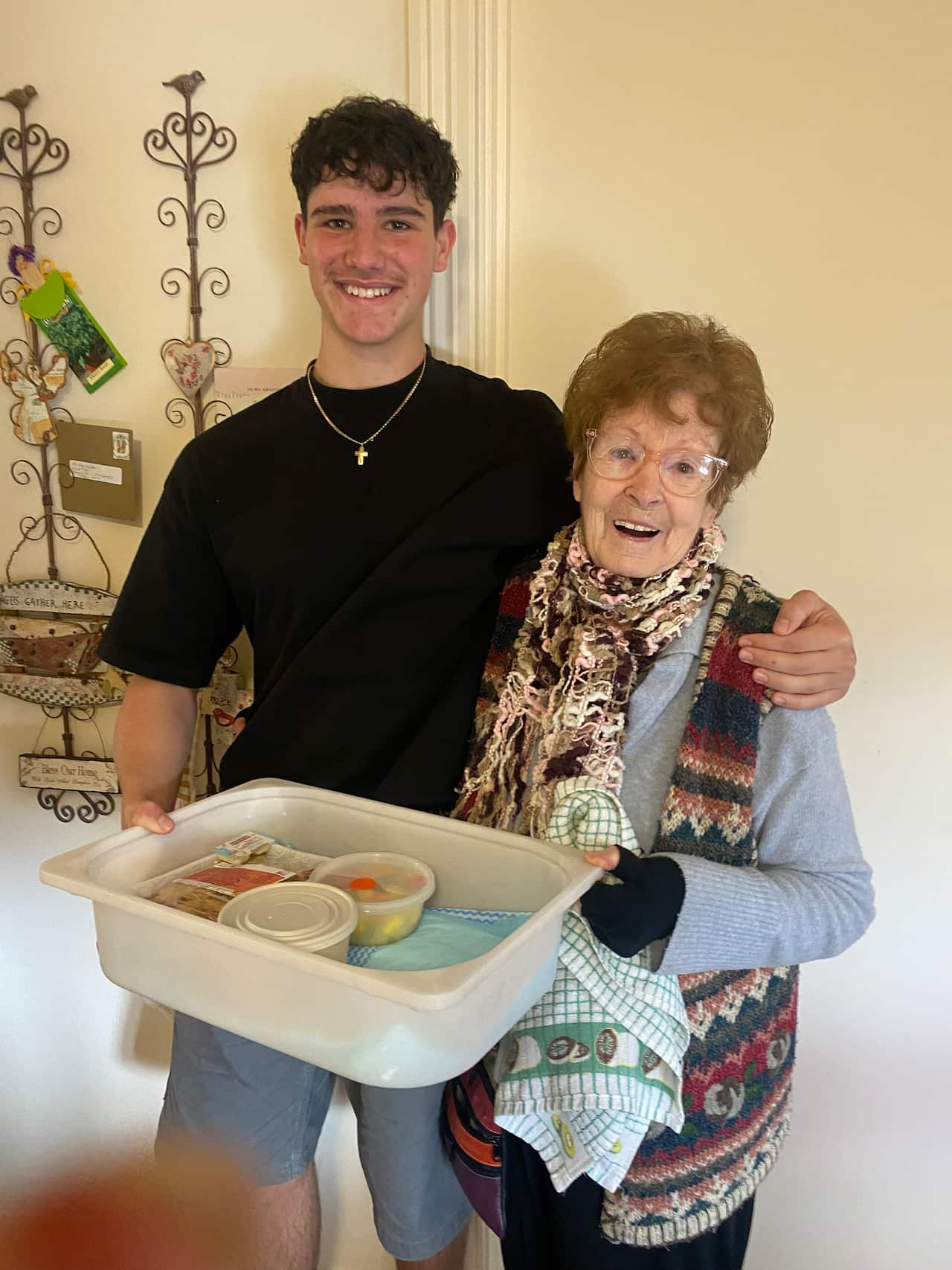
A man in a black shirt and a woman in grey shirt and knitted scarf hold a white tray with boxes inside

Adelaide-based charity Nonna’s Cucina delivers 500 home-style Italian meals daily and helps to reduce social isolation for older members of the community staying at home. Source: Supplied / Nonna’s Cucina

“When people are older and lose a bit of their memory, these flavours always bring you back to your home.”

Their menu rotates every five weeks, which general manager Dario Fabretto says provides their clients more choice.

“When you get older and you can’t cook for yourself as much anymore, you might feel a bit hard done by or that it’s unfair that you can’t cook. And then you get told what you have to eat. So we try to provide as much variety as we can,” Dario says.

A feeling of home

Hugo says that being able to choose your meals, and feeling as if your preferences are being listened to, makes a significant impact in the quality of life for older Australians.
“It’s about residents feeling like their preferences are heard and understanding that they feel safe and can share their feedback. [This] links to a sense of maintaining your agency and having a voice and input into your community … It’s what it is to be human.”
Back at Árpád Aged Care in Melbourne, Eva says she values the familiarity of home-cooked Hungarian meals.
“When you’re young, you don’t think about these things, but when you’re getting older and your time is over, you are just looking for a place where you belong.”

You May Also Like
'I'm still shaking': Villagers found alive after week trapped in cave

Survivors Rescued After Week-Long Ordeal Trapped in Cave

Five villagers stuck in a flooded cave in central Laos for more…
Vivid cancels shows after drones plummet due to 'technical difficulties'

Vivid Sydney Halts Shows as Drone Failures Cause Technical Turmoil

Vivid Sydney has been forced to cancel its centrepiece drone show for…
David Jones' average overdue payments to suppliers were 16 days - more than double the industry average, according to a new report by a commercial credit agency

Iconic Australian Business Faces Uncertain Future Amid Alarming Repayment Delays

Concerns have been sparked about the longevity of one of Australia’s most…
Mr Morrison's most famous debacle was sneaking out of the country to holiday with his family in Hawaii in the midst of the 2019-20 bushfires crisis

Could Scott Morrison’s Missteps Impact His Re-election Bid?

As Scott Morrison faces the electorate, he is acutely aware that any…

Rescue Team Nears Group Trapped for Days in Laos Cave

in brief Seven people have been trapped in a cave in Laos’…
More than 17.2 million Aussies are enrolled to vote in the election on Saturday May 21, with thousands already having their say in pre-polling centres (pictured, voters in Sydney in 2019)

Australia Election 2022: The Financial Penalty for Non-Participation in Voting

Australians are navigating some of the most stringent compulsory voting regulations worldwide,…

Iran Accuses US of Ceasefire Breach Amid Intensified Israeli Strikes on Lebanon

In brief Iran says US strikes represent a “gross violation” of a…
Pedestrians and office workers walk through the Sydney CBD.

Revolutionizing JobSeeker: Unprecedented Overhaul Promises Transformative Benefits

The JobSeeker program is set to undergo its most significant transformation in…
In a special episode of the Daily Mail's Palace Confidential, royal editor Rebecca English tours an exhibition which charts Queen Elizabeth's historic reign through clothes, guided by its curator, Caroline de Guitaut. To mark what would have been the monarch's centenary, Queen Elizabeth II : Her Life in Style puts many of her most iconic outfits and accessories on public display for the first time at The King's Gallery, Buckingham Palace. Among the pieces visitors can study up close is the historic gown from the Queen's 1953 coronation, created by royal couturier and longtime collaborator Sir Norman Hartnell. Hartnell was given around eight months to realise his vision for the outfit, eventually presenting the monarch with eight separate designs to choose from.

Queen Elizabeth’s Unique Coronation Dress Request Revealed

In a unique episode of the Daily Mail’s Palace Confidential, royal editor…

Australian Business Leaders Warn of Potential Talent Drain to New Zealand and USA Amid Economic Concerns

Entrepreneurial Australians may be lured abroad to New Zealand or the United…
White House transformed, but this isn't for the ballroom

White House Undergoes Exciting New Makeover—And It’s Not for Dancing

Images have emerged showing a UFC octagon taking shape on the lawn…

Solomon Islands’ New Prime Minister to Make Landmark Visit to Australia

Stay informed about the world with our reliable coverage. Receive complimentary daily…