
The UAE’s recent decision to distance itself from OPEC has been anticipated for some time, as the nation has expressed dissatisfaction with production quotas that it felt were too restrictive. These limitations curtailed the UAE’s ability to maximize its oil exports globally.
The UAE has been a steadfast member of OPEC, initially joining through the emirate of Abu Dhabi in 1967 and continuing its membership after becoming a unified nation in 1971.
Prior to the escalation of tensions involving the United States, Israel, and Iran on February 28, the UAE was producing approximately 3.4 million barrels of crude oil daily.
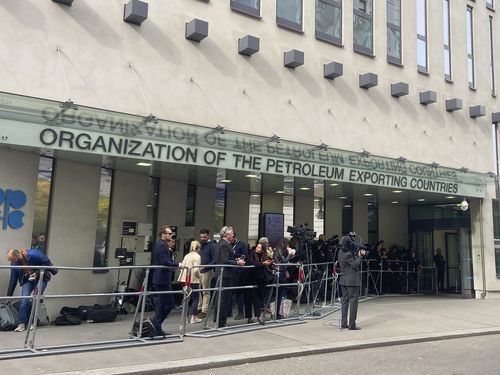
In an announcement via its state-run WAM news agency, the UAE declared its intention to exit the Organization of the Petroleum Exporting Countries (OPEC), as well as the broader OPEC+ alliance led by Russia, which aimed to stabilize global oil prices.
The UAE stated, “This decision is a reflection of our long-term strategic and economic vision and our evolving energy profile, which includes increased investment in domestic energy production. It underscores our commitment to being a responsible, reliable, and forward-looking player in global energy markets.”
Following its withdrawal, the UAE assured that it would continue to act responsibly by incrementally and thoughtfully increasing its production in line with market demand and conditions.
Major blow to oil cartel and Saudi Arabia
OPEC quotas had most recently limited the UAE to 3.2 million barrels of production a day, when in fact it has capacity to produce closer to 5 million barrels a day, Robin Mills the CEO of Dubai-based consultancy QamarEnergy told CNN’s Connect the World.
The implications for global energy markets of the UAE pumping more oil will likely be limited in the short-term, however, given that the Strait of Hormuz still remains largely shut. A large share of the oil and natural gas exported by Gulf producers transits through the strait in normal times.
“But it does suggest that global supplies will be higher than would otherwise be the case once the Strait of Hormuz re-opens,” David Oxley, chief climate and commodities economist at consultancy Capital Economics wrote in a note.
The “bigger picture is that the UAE has been itching to pump more oil,” having invested heavily in expanding production capacity in recent years, he added.
The announcement reflected an “intensifying focus on national interests” among Gulf countries, according to Robert Mogielnicki, the head of Polisphere Advisory, a Paris-based consulting firm.
“This decision has been in the works for some time, but it comes at a pivotal moment for the (Middle East) and OPEC itself,” he told CNN.
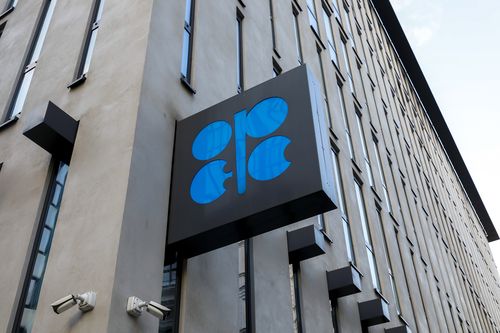
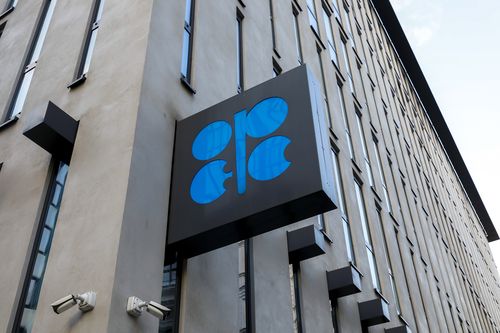
Saudi Arabia long has been considered a heavyweight of OPEC, an oil cartel based in Vienna that has seen some of its market power wane as the United States increased its production of crude oil in recent years.
Saudi Arabia and the UAE increasingly have competed over economic issues and regional politics, particularly in the Red Sea area.
The two countries had joined in together in a coalition to fight against Yemen’s Iran-backed Houthi rebels in 2015.
However, that coalition broke down into recriminations in late December, when Saudi Arabia bombed what it described as a weapons shipment bound for Yemeni separatists backed by the UAE.
Saudi broadcasters long based in Dubai, the economic hub of the UAE, have pulled back to the kingdom in recent months as well as the tensions rose.
NEVER MISS A STORY: Get your breaking news and exclusive stories first by following us across all platforms.