Share this @internewscast.com
Understanding the recent turbulent shifts in Venezuela’s political scene is crucial, especially as we ponder the future of its governance.
Delcy Rodriguez has emphasized the need for a “balanced and respectful” diplomatic relationship between Venezuela and the United States.
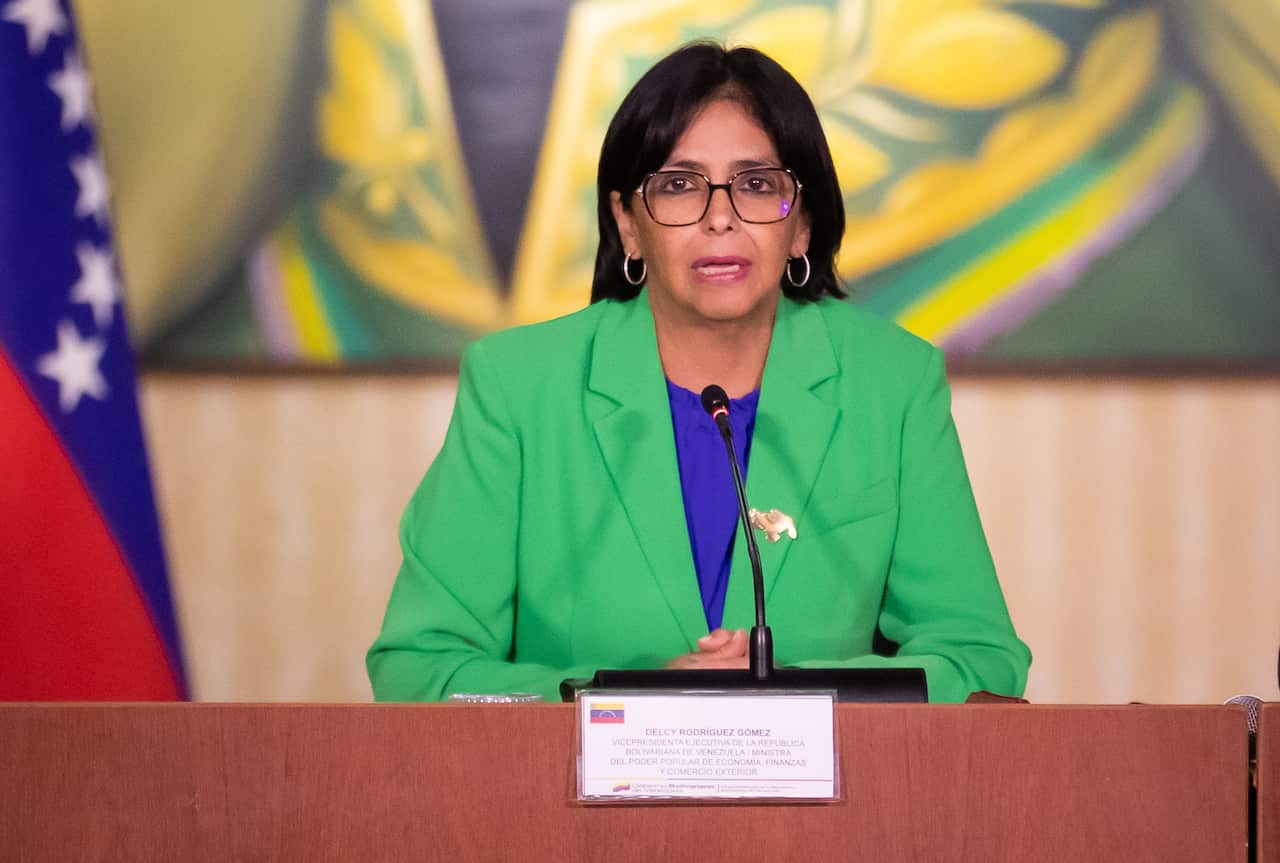
During a recent address, she declared, “We will never again be a colony of any empire,” alluding to Venezuela’s history under Spanish rule from the 16th century until its independence in the early 19th century.
Meanwhile, Rubio has presented a more measured stance compared to Trump’s previous rhetoric. Speaking with ABC, he indicated that the U.S. intends to steer the situation through diplomatic channels, stating, “We are guiding the direction in which this will progress.”
He also highlighted that genuine legitimacy for Venezuela’s governance would come through a transition period and the establishment of true democratic elections, which have been absent thus far.
Pressed on what he meant, Trump said: “It means we’re in charge.”
What might the US’ next steps be — and is there any framework?
Rothwell said Maduro’s seizure had been “perhaps the most expansive interpretation that one can immediately identify at the moment”.
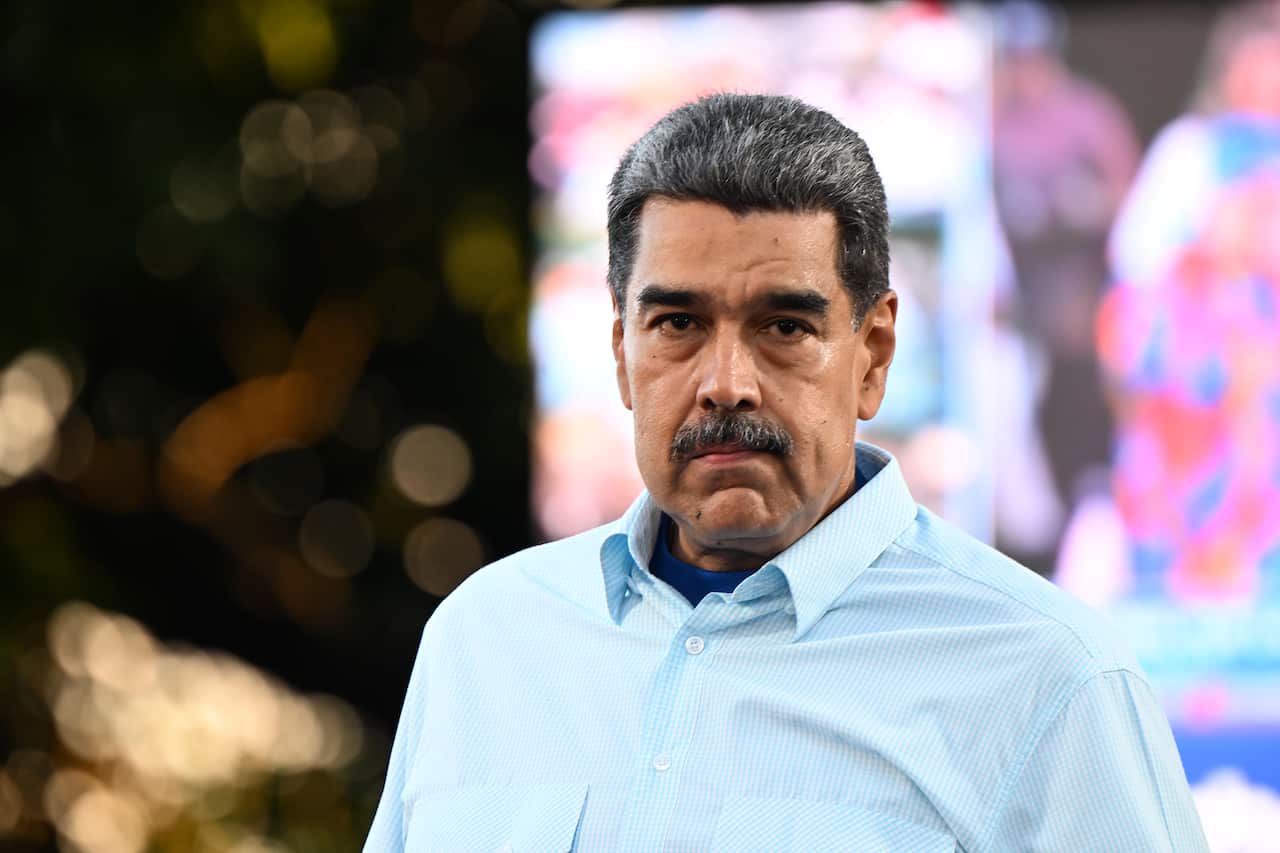
Nicolás Maduro is awaiting trial on criminal charges in New York. Source: Getty / Alfredo Lasry R
With Maduro on trial in New York, having pleaded not guilty to the narco-terrorism charges against him, Rothwell said two scenarios could hypothetically see the US “run” Venezuela as Trump has flagged, but that neither seems likely.
“In the face of a functioning Venezuelan government, where, it needs to be acknowledged, there’s been a transition of power to the acting president, Rodriguez, all of that at the moment seems very far-fetched,” he said.
“Specifically after 1945 we banned what is known as conquest, which is states can take territory or take resources by use of force.”
What about the opposition?
Vote tallies were not publicly provided, and the government-controlled National Electoral Council were accused of falsifying results. Protests erupted, and multiple world governments — including the US — challenged the result, made allegations of electoral fraud and recognised González as Venezuela’s leader.
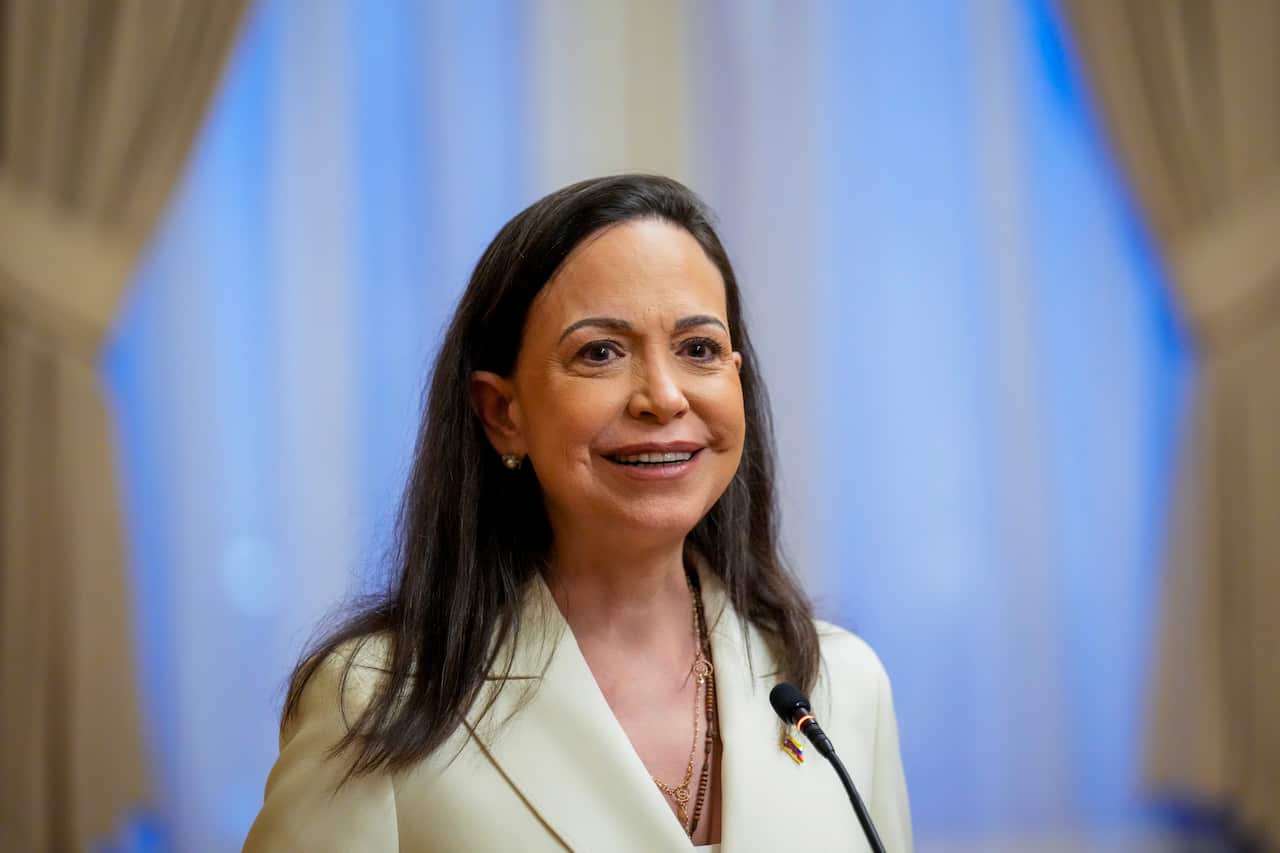
While Venezuela’s opposition leader, Maria Corina Machado, has been suggested as a possible next leader of the country, US officials have dismissed the idea. Source: AAP / EPA / Ole Berg-Rusten
After a request from the public prosecutor’s office, an arrest warrant was issued for González in the aftermath, on a range of charges, and he was granted asylum in Spain.
“I think it would be very tough for her to be the leader,” Trump said on the weekend.
How are Venezuelans feeling?
On the ground, reactions to Maduro’s ousting have appeared conflicted.
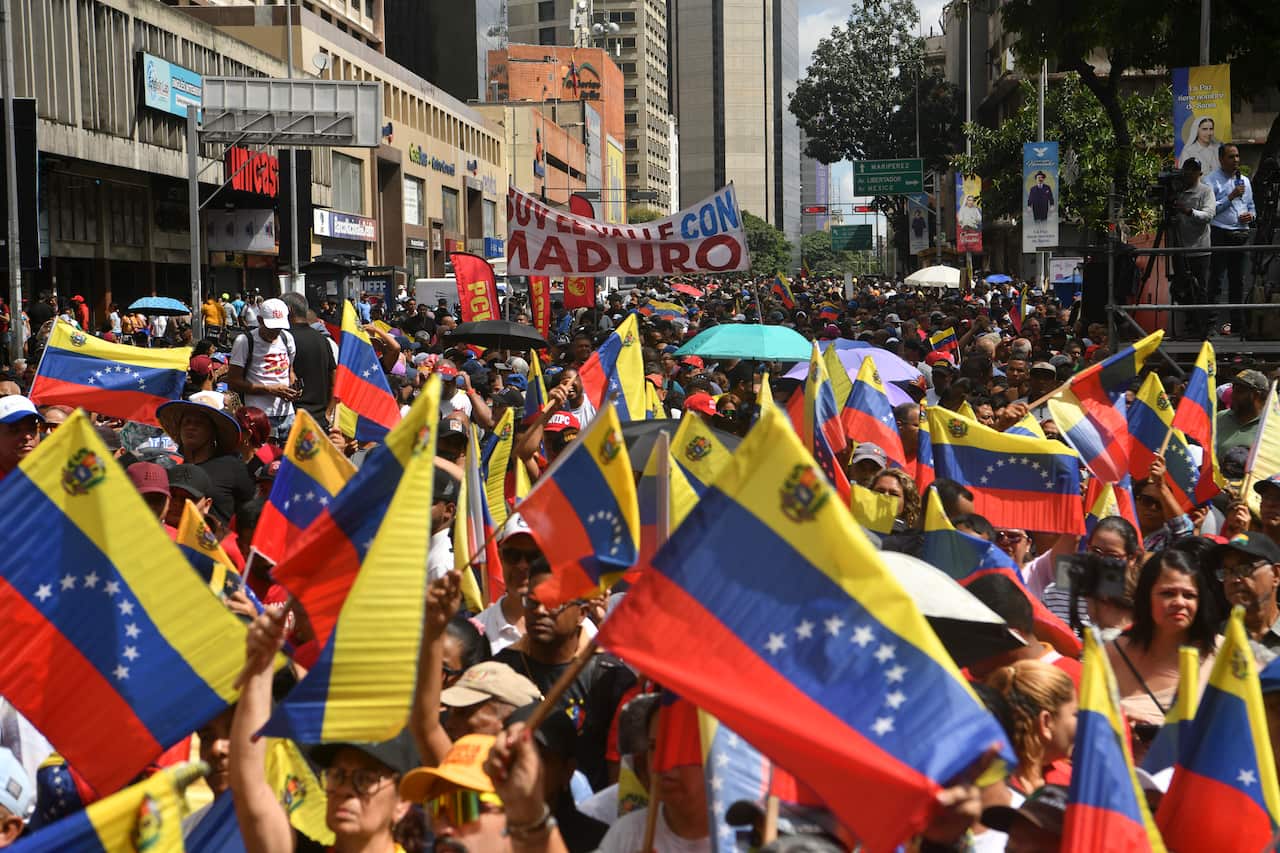
Pro-government supporters attend a rally a day after the capture of Nicolás Maduro in Caracas. Source: Getty / Carlos Becerra
While some Venezuelans have expressed joy at Maduro’s ousting and hope for the future, others worry the US intervention will create further instability.
Khaty Yanez lives in the Chilean capital Santiago and is one of an estimated 7.7 million Venezuelans — 20 per cent of the population — who have left the country since 2014.
“We’re all living with this uncertainty to see what will happen, what the directives will be, so we can continue with life,” Restrepo said.