
Prehistoric hobbits vanished 50,000 years ago - now we know why

An ancient human species known as “hobbits” for their petite stature disappeared about 50,000 years ago. Recent findings might shed light on the reason behind their extinction.

Researchers from the University of Wollongong, working with an international science team, have been delving into the mystery of why Homo floresiensis suddenly vanished from the fossil record.

The initial discovery of these “hobbits” occurred in 2003 on the Indonesian island of Flores, where evidence revealed that Homo floresiensis had inhabited the Liang Bua cave for a remarkable 140,000 years.
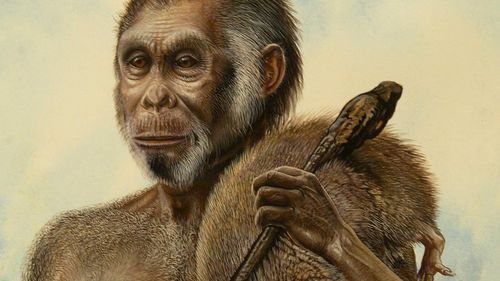
An artistic impression of a hobbit, based on existing analysis. (Robert Pearce)

Their small size posed a significant challenge to pre-existing human evolutionary theories.

Scientists now believe a prolonged drought lasting several millennia was the catalyst that forced these hobbits to leave their ancient dwelling.

By analyzing chemical traces in cave stalagmites and fossilized teeth of a pygmy elephant species that the hobbits hunted, researchers identified a severe drought in the region occurring between 61,000 and 55,000 years ago.

Liang Bua Cave in Flores, Indonesia. (Getty)

“The ecosystem around Liang Bua became dramatically drier around the time Homo floresiensis vanished,” UOW Honorary Professor Mike Gagan, the lead author of the study, said.

“Summer rainfall fell and river-beds became seasonally dry, placing stress on both hobbits and their prey.”

And when hobbits, faced with dwindling prey and shrinking water sources, struck out on their own, they may have met an even more implacable enemy.
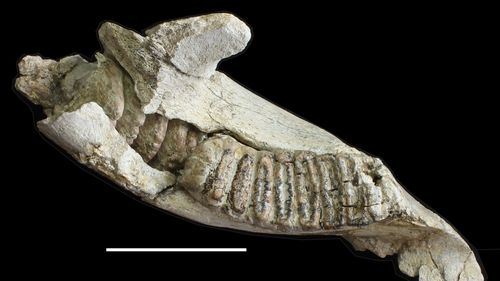
The fossilised teeth of a pygmy elephant helped identify a possible reason hobbits died out. (Gerrit van den Bergh)

While the hobbits predate the earliest evidence of modern humans on Flores, homo sapiens were travelling the Indonesian archipelago around the time their smaller cousins vanished.

“It’s possible that as the hobbits moved in search of water and prey, they encountered modern humans,” Gagan said.

“In that sense, climate change may have set the stage for their final disappearance.”

You May Also Like

Skyrocketing Drug Costs Leave Families Struggling to Afford Essential Medications

Jade Hlucshniow faced a heartbreaking decision—selling her home to afford the necessary…

US Declares Troop Withdrawal from Germany

IN BRIEF Transatlantic tensions are simmering over Iran war and tariffs. The…

Unpacking Profits: How Pokémon Cards Are Revitalizing Australian Retailers

The surging price of Pokémon products has been no secret over the…

Inside Alex Jones’ Grand Designs Journey: A £2.8M Berkshire Home Renovation with Her Husband

Alex Jones, a leading contender for the role of host on “Strictly…

Grandfather of Kumanjayi Little Baby Urges Community for Peace Amidst Tensions

WARNING: Aboriginal and Torres Strait Islander readers are cautioned that this article…

Tragic Incident in Sydney: Suspect Apprehended Following Triple Family Homicide

A man is in custody after three of his family members died…

Trump to Evaluate Iran’s Latest Proposal, Cautions Against Potential US Military Action

IN BRIEF Trump said he was going to review a new Iranian…

No Campaign Sets Sights on New Objective Following Voice Defeat; Leader Claims: ‘Australia Delivered a Lasting Blow

The No campaign against the Voice to Parliament has unveiled a new…

Adelaide’s Sole Unique Rental House: The Sobering Truth Behind Its Exclusivity

in brief Anglicare Australia’s latest rental affordability snapshot has warned that the…

Trump Hints at ‘Very Interesting’ UFO Revelations in Upcoming Document Release

President Donald Trump has set the stage for what could be an…

Alice Springs Community Honors Memory of Young Girl with Heartfelt Floral Tributes

WARNING: Aboriginal and Torres Strait Islander readers are advised that this story…

Revolutionary Shark-Spotting Drones Deployed in Honor of Beloved Surfer: A New Era in Beach Safety

A new initiative is equipping surfers with the skills to operate drones…