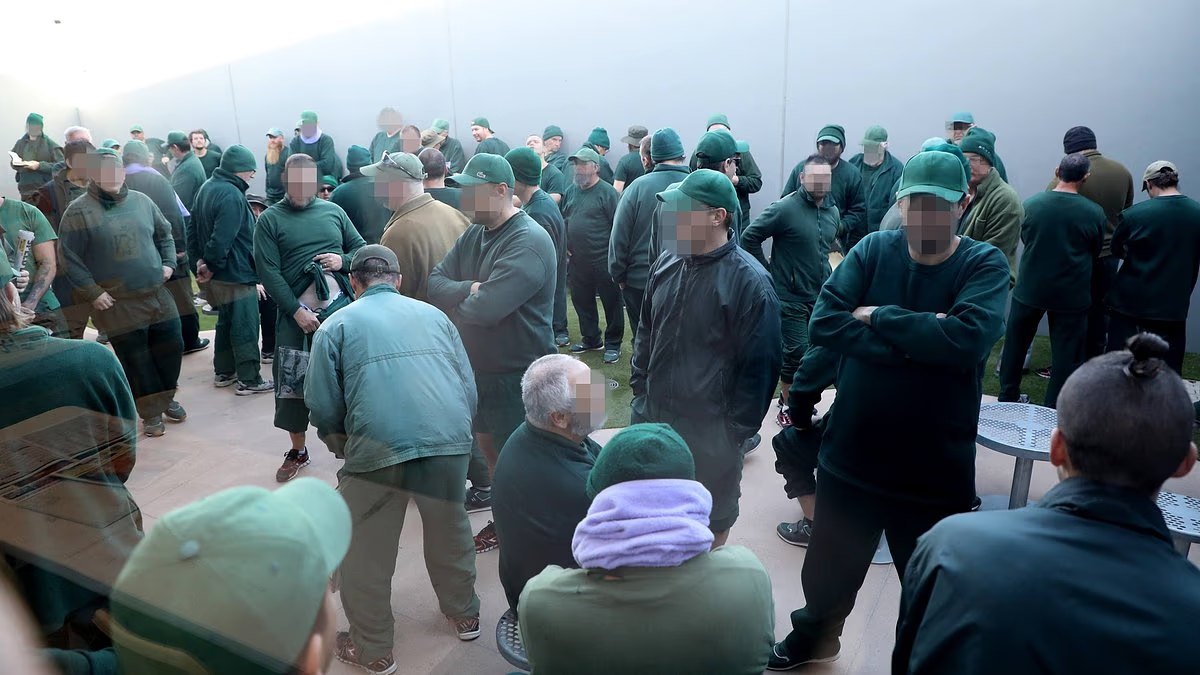

Taxpayers are footing compensation payments for prisoners made to sleep on mattresses beside cell toilets, as Western Australia’s deepening prison overcrowding crisis also prompts judges to cut sentences for some offenders.
The WA Department of Justice has confirmed inmates placed in so-called “alternative sleeping arrangements” can receive gratuity payments of up to $10.15 a week, following a judge’s description of conditions inside the state’s prisons as “significant and inhumane”.
In one case last year, District Court Judge Linda Black reduced a man’s jail term after taking into account the conditions he faced at Hakea Prison.
Judge Black said Hakea’s prisoner numbers had climbed beyond its official capacity, with extreme overcrowding leaving 80 men sleeping on mattresses placed on cell floors close to toilets.
She described the environment as cramped, unhygienic and degrading, adding that the conditions had contributed to prisoners being hurt.
The revelations follow a stark warning from Inspector of Custodial Services Eamon Ryan, who said Western Australia’s prison network has reached a “crisis point” and is edging towards “functional collapse”.
His report found the state’s prison population has jumped 37 per cent since January 2023, with inmates still being forced onto floor mattresses beside toilets even after hundreds of cells were fitted with triple bunks.
According to the watchdog, as many as 200 prisoners were sleeping on mattresses on the floor while the system continued to operate above capacity.

Newly appointed Corrective Services Minister Tony Buti (pictured) is facing a huge challenge of repairing a prison system buckling under overcrowding

A picture of the cramped conditions prisoners are housed in at Hakea Prison

Prisoners forced to sleep on mattresses beside prison toilets are being compensated by taxpayers
He warned conditions posed ‘a serious risk to the safety and wellbeing of both prisoners and staff’ and in some cases may amount to ‘cruel, inhuman or degrading treatment’.
Prisoners are usually paid a gratuity for taking part in meaningful activities such as work or education programs.
The Justice Department did not answer questions about when the payment was introduced for prisoners housed in alternative sleeping arrangements, or which prisons were using the practice.
‘The gratuity has been a long-standing administrative practice while managing prison population pressures,’ a spokesperson said.
‘The number of prisoners receiving the payment varies from day to day depending on the number of prisoners accommodated in alternative sleeping arrangements across the prison system.’
In a bid to ease pressure on the system, the government last week announced a 480-bed expansion of Acacia Prison, a medium-security facility about 50 kilometres east of Perth.
‘The Acacia Prison expansion is about more than additional beds; it is about providing facilities, programs, and services that support rehabilitation and help reduce reoffending,’ Buti said.
‘New education, allied health, and industries facilities will provide prisoners with opportunities to develop skills, participate in meaningful activities, and prepare for life beyond custody.

Convicted child rapist Fernando Octavio Salas-Collard (pictured) is among several inmates taking legal action against the State of Western Australia over conditions at Hakea Prison
‘Strengthening the State’s custodial system to meet growing demand will ensure the continued safety and security of staff, prisoners and the community.’
The funding commitment comes as rapist who preyed on a terrified 16-year-old girl sues Australian taxpayers, claiming he is the victim of ‘inhumane’ living conditions while serving a prison sentence.
Despite being jailed for raping a 16-year-old girl in a men’s toilet block at Coogee Beach in 2024, Fernando Octavio Salas-Collard, 35, is among several inmates taking legal action against the State of Western Australia over conditions at Hakea Prison.
It is one of three writs lodged by the Aboriginal Legal Service in the Supreme Court of WA on behalf of inmates alleging the state, Department of Justice chief executive and Hakea superintendent failed in their duty of care.
According to court documents, Salas-Collard, who was previously jailed for aggravated grievous bodily harm for abusing a former partner, claims he was repeatedly confined to his cell between December 2022 and August 2026, leaving him with severely reduced access to services and entitlements.


