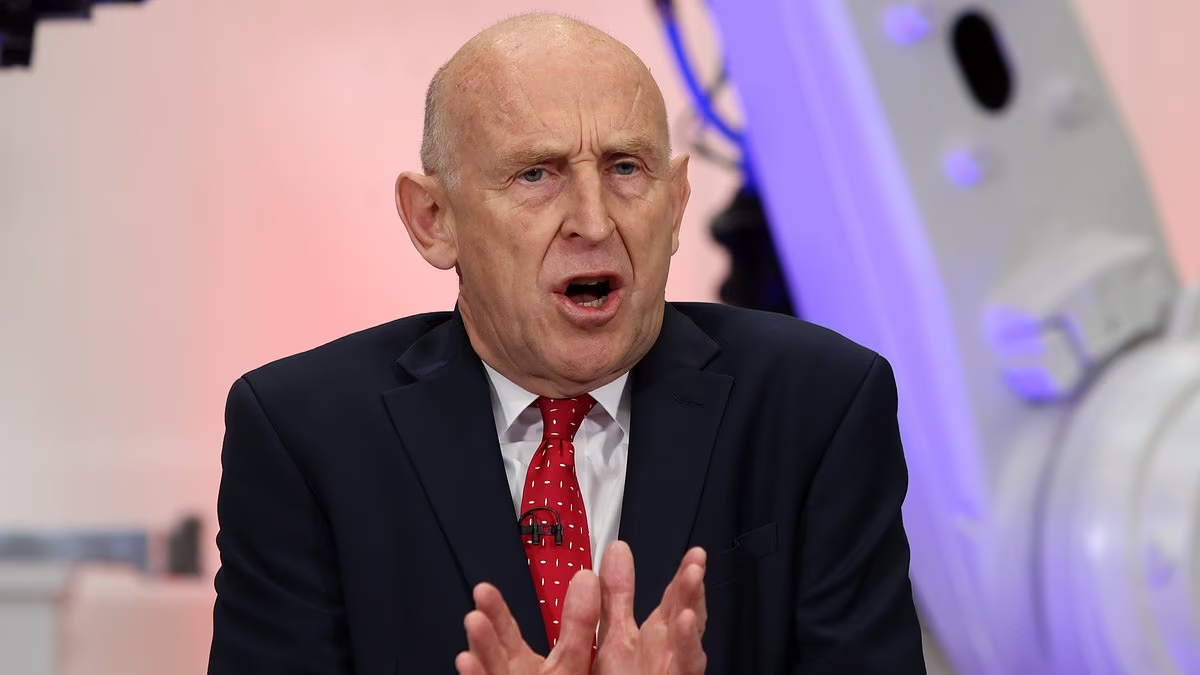

Chancellor John Healey is under mounting pressure to reduce Fuel Duty in this month’s Budget as motorists struggle with soaring costs at the pump.
Edmund King, president of motoring organisation the AA, said the Chancellor must “put the brakes” on rising petrol and diesel prices, particularly as Labour plans to increase Fuel Duty in the new year.
Mr King urged Mr Healey to preserve the existing 5p-per-litre Fuel Duty reduction, introduced by the Conservatives and due to end on January 1, while applying a further 5p cut.
Together, the measures would reduce the cost of fuel by 12p per litre once VAT is taken into account, saving about £6.60 when filling an average family car.
The appeal follows a sharp rise in diesel prices, with the national average exceeding £2 a litre for the first time this month.
Some filling stations have charged motorists as much as £2.20 per litre in recent weeks.
An AA review of the Government’s Fuel Finder figures showed that, in early October, more than 2,500 of the roughly 8,000 forecourts tracked were selling diesel for at least £2 a litre.

Chancellor John Healey is facing demands to preserve the 5p-per-litre Fuel Duty reduction, introduced by the Conservatives and due to expire on January 1, while cutting the tax by a further 5p in the Budget on October 28

AA president Edmund King said the Chancellor should “put the brakes” on escalating forecourt prices by reducing Fuel Duty
Campaigners for lower Fuel Duty warn that expensive fuel fuels inflation, with increased transport costs feeding through to supermarket prices and other household goods. Diesel is particularly important to the haulage sector, which carries much of the nation’s freight.
The latest surge in pump prices has been linked to the Iran war, which began on February 28. Mr King has joined a growing number of voices calling for the tax to be cut, saying drivers need the Chancellor to act against rising fuel costs.
“The immediate priority must be to retain the current 5p Fuel Duty reduction,” he said. “But with prices continuing to climb, we believe the Chancellor should go further and cut the levy by another 5p.”
ALSO READ: What Happened To Howie Long? Health Update After Surgery – Where Is He Today? Net Worth
He added that fuel costs affect far more than motorists, saying higher prices make it more expensive to transport goods, deliver products and operate businesses. Those increases ultimately appear in household bills.
“As the underlying price of fuel rises, the Treasury collects more VAT,” Mr King said. “The Chancellor should recognise that additional income in the Budget and provide drivers and businesses with some much-needed breathing space.”
Figures from the RAC Foundation estimate that the Iran war has added £9.2billion to motorists’ fuel bills since February 28.
The increase has also generated an estimated £1.5billion VAT boost for the Treasury, because the 20 per cent tax is charged on the higher forecourt prices.
Existing plans would see Fuel Duty rise by 3p per litre on January 1, just as household energy costs are expected to increase following a rise in Ofgem’s price cap. A further 2p increase is scheduled for March 1.
The Treasury is also due to end its 16-year Fuel Duty freeze next year, with an additional 1p-per-litre rise planned for April.
VAT would add a further 1.2p per litre, taking the total increase to 7.2p and raising the cost of filling an average family car by almost £4.
Treasury sources have insisted that ministers have made “no decision” on whether the planned Fuel Duty increases will go ahead.
But retaining the 5p duty cut, first introduced by the Tories in 2022 amid sky-high pump prices sparked by Russia’s invasion of Ukraine, alone would cost the Treasury £2.4billion a year at a time when Mr Healey is struggling to balance the books.
According to RAC figures, average diesel prices across the UK dipped slightly in recent days to 199.90p a litre for diesel on Friday. Petrol was on average 174.79p a litre.
A Treasury spokesman said: ‘As has always been the case, decisions on tax are a matter for the Chancellor to set out at fiscal events, rather than routinely commenting on rumour, speculation or proposals.’


