
NSW Premier Chris Minns has broken with Prime Minister Anthony Albanese, saying the federal government must take stronger action to manage immigration.
Speaking to Kyle Sandilands on KSLive, Mr Minns said immigration levels had risen too sharply in the years following the Covid pandemic.
“In terms of immigration, in the years after Covid, too many people came into the country in too short a space of time,” he said.
More than 500,000 people arrived in Australia within a 12-month period, he said, as the federal government sought to revive the economy after the pandemic.
While acknowledging the government was trying to “juice up the economy” and get the country moving again, Mr Minns said the rapid population growth had placed “massive pressure” on housing, hospitals and emergency departments.
The Albanese government is facing mounting pressure to bring net overseas migration down to its target of 225,000.
Government figures show net overseas migration fell to 306,000 in 2024-25, compared with 429,000 the previous year. The figure remains below the post-pandemic high of 538,000 recorded in 2022-23.
Mr Minns said federal governments had a responsibility to set a clear immigration limit and enforce the rules needed to meet it.

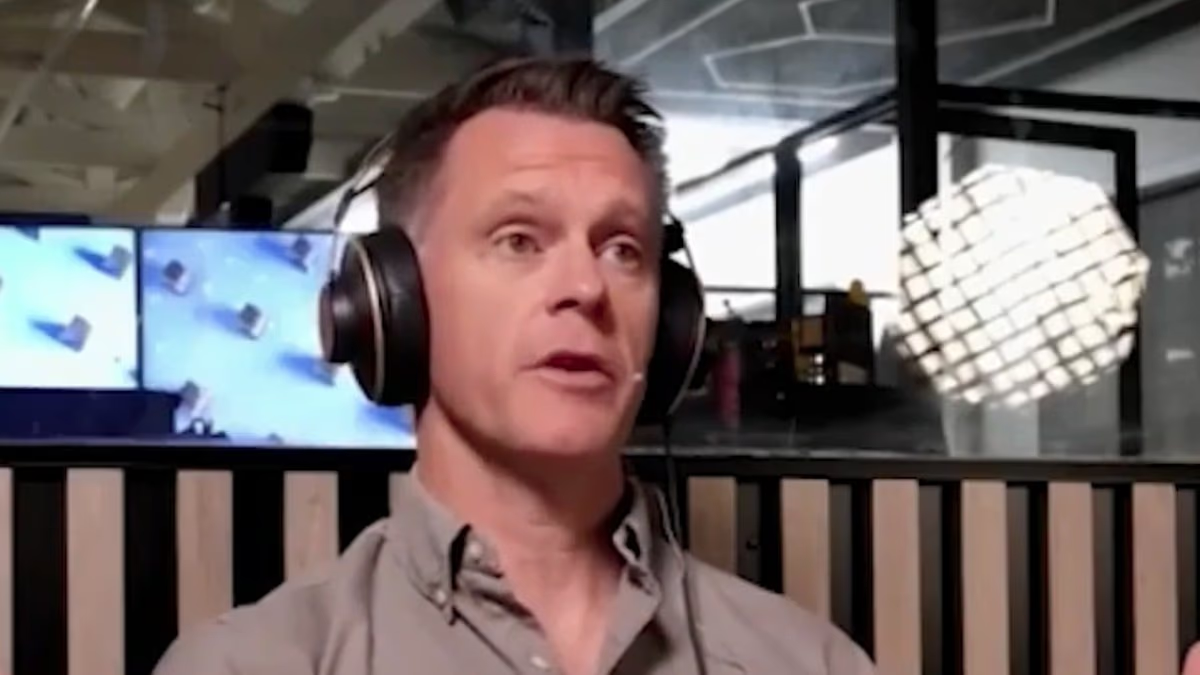
NSW Premier Chris Minns discussed immigration during an appearance on Kyle Sandilands Live
He recognised the contribution of skilled migrants, but warned that high intake levels could overwhelm essential services and make life more difficult for the wider community.
The NSW Premier said he understood the importance of maintaining relationships with Labor colleagues, but was prepared to disagree with them when he believed it was necessary.
“Even though I’m Labor, it’s still my responsibility to get on with them. And you can’t just go hammer and tongs at each other all day long,” he said.
“My job’s to fight for this state, and I’ve got to put New South Wales above the Labor Party.”
This is not the first occasion on which Mr Minns has taken a position at odds with Mr Albanese.
He has previously criticised the Labor government’s tobacco tax, an issue he also discussed during the Sandilands interview.
YOU MAY ALSO READ: Sydney Nurses Accused of Anti-Semitic Threats Appeal to High Court
Mr Minns said the excise on cigarettes had become too high and was failing to achieve its intended outcome.
He also agreed with Mr Sandilands’ view that the policy had generated billions of dollars for criminal enterprises.

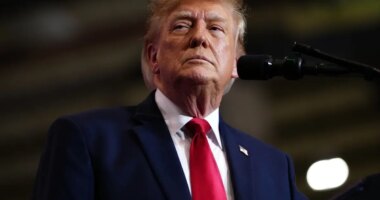
Mr Minns’ stance places him at odds with Labor Prime Minister Anthony Albanese
The Premier said the high excise was pushing otherwise law-abiding people towards the black market, rather than keeping them within the legitimate economy.
On Wednesday, Mr Minns also declined to endorse Canberra’s fiscal strategy after inflation climbed to 4 per cent in the 12 months to August 2026, a day after the Reserve Bank raised interest rates.
The Premier said he had ‘heard the advice from the Reserve Bank of Australia over the last two years that we need to be careful with public funds’.
His comments come amid signs of a widening gap between NSW Labor and the federal government as Minns seeks to emphasise his political identity.
In recent months, the Premier has diverged from his federal colleagues on several policy issues.
He has supported One Nation leader Pauline Hanson and the federal Coalition’s push for a reduction in tobacco excise, and publicly clashed with Chalmers over GST arrangements.
Some NSW Labor MPs would like Minns to go even further.
Our News Outlet has previously reported that several state MPs believe the premier should put as much distance as possible between himself and the Prime Minister ahead of the 2027 election.
They have suggested he adopt a similar approach to former Premier Gladys Berejiklian’s decision to keep Scott Morrison at arm’s length before the Coalition’s victory in 2019.
‘I wish [Albanese] could stay away,’ one NSW Labor MP told Our News Outlet last week.
The private frustration reflects growing concern within sections of the NSW Labor caucus that the Prime Minister could drag down the party’s vote, especially in regional areas where cost-of-living pressures remain acute and support for major parties has softened.
Those worries have been sharpened by the rise of Pauline Hanson and One Nation, with the party believing it can make significant gains across regional and outer-suburban NSW at the next state election.