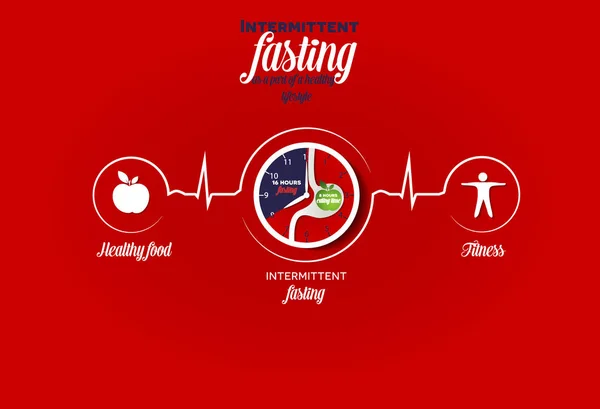

Can Intermittent Fasting Enhance Heart Health? Intermittent fasting (IF) has gained momentum as a lifestyle approach for managing weight and boosting overall well-being. One of the purported advantages is its potential to improve cardiovascular health, a topic that has generated both excitement and caution among healthcare professionals. This piece delves into the findings of research on the connection between intermittent fasting and heart disease, evaluates its advantages and drawbacks, and shares expert perspectives on whether fasting is an effective strategy for heart health. Additionally, it offers alternatives for individuals seeking to prevent cardiovascular disease without fasting.
What Research Says About Intermittent Fasting and Heart Disease
Scientific studies on intermittent fasting present a nuanced view. On one side, many studies indicate that IF can positively affect various cardiovascular risk factors. For instance, intermittent fasting has been found to aid in weight loss, decrease waist size, and enhance cholesterol levels by lowering LDL (“bad”) cholesterol and triglycerides while elevating HDL (“good”) cholesterol. Such changes can lower the chances of heart attacks and strokes. Research also suggests that IF may reduce blood pressure by an average of 3-5 mmHg and decrease inflammation markers like C-reactive protein (CRP), both crucial in mitigating cardiovascular disease risks.
Additionally, intermittent fasting boosts insulin sensitivity, lowering insulin resistance by 20-30%, which decreases inflammation in arteries and plaque formation, major factors in atherosclerosis. The activation of autophagy during fasting aids in clearing damaged cells and oxidative stress, further safeguarding cardiovascular health.
However, contrasting findings have emerged. A notable 2024 study by the American Heart Association raised concerns by linking an 8-hour eating window (a common IF pattern) to a 91% higher risk of death from cardiovascular causes. This association was particularly observed in individuals with pre-existing cardiovascular disease. The study’s limitations—such as reliance on memory recall and lack of long-term data—mean its conclusions should be interpreted cautiously.
The Pros and Cons of Fasting for Heart Health — Confirms Jennifer Cheng, DO
Jennifer Cheng, DO, Chief of Endocrinology at Hackensack Meridian Jersey Shore University Medical Center, emphasizes that intermittent fasting can be beneficial but requires careful consideration. The pros include:
- Effective weight loss, which reduces heart strain and improves metabolic parameters.
- Improved cholesterol levels and blood pressure.
- Enhanced insulin sensitivity and reduced inflammation.
Yet, she warns of potential downsides:
- Increased cortisol (stress hormone) during fasting can elevate blood pressure and heart rate if unmanaged.
- Risk of nutrient deficiencies if fasting is paired with poor dietary choices.
- Not suitable for everyone, especially those with existing heart conditions, diabetes, or on certain medications.
Dr. Cheng stresses the importance of medical supervision when adopting fasting, particularly for individuals with cardiovascular risk factors.
Should You Try Fasting for Heart Health? Doctors Weigh In
Medical experts generally agree that intermittent fasting may benefit heart health primarily through weight loss and improved metabolic health. However, the effectiveness and safety of IF vary widely among individuals. Dr. Gregory Katz, a cardiologist at NYU Langone, notes that only those who achieve weight loss through fasting tend to see cardiovascular benefits. For others, IF may have little impact or could even be harmful if it leads to stress or poor nutrition.
Doctors advise consulting healthcare providers before starting IF, especially for people with heart disease, diabetes, or other chronic conditions. The variability in fasting protocols and individual responses means a personalized approach is essential. For some, traditional balanced diets combined with regular physical activity may be safer and equally effective for heart health.
An Alternative to Fasting for Heart Disease Prevention
For those hesitant about intermittent fasting or unable to fast safely, alternative strategies exist to protect heart health:
- Balanced Diet: Emphasizing fruits, vegetables, whole grains, lean proteins, and healthy fats can improve cholesterol and blood pressure.
- Regular Exercise: Physical activity strengthens the heart, improves circulation, and aids weight management.
- Weight Management: Even modest weight loss (5-10%) significantly reduces cardiovascular risk.
- Stress Reduction: Managing stress through mindfulness or therapy helps lower cortisol and blood pressure.
- Medical Management: Controlling diabetes, hypertension, and cholesterol with medications as prescribed.
These approaches, supported by extensive research, offer proven benefits without the potential risks associated with fasting.
In summary, intermittent fasting holds promise for improving heart health through weight loss, better cholesterol, and reduced inflammation. Yet, emerging evidence also highlights potential risks, particularly with certain fasting patterns and in vulnerable populations. Experts like Jennifer Cheng, DO, advocate for cautious, medically guided use of fasting. Meanwhile, traditional heart-healthy lifestyle measures remain reliable and accessible alternatives. Individuals interested in intermittent fasting should engage healthcare professionals to tailor a plan that aligns with their unique health profile and goals.
Also Read | How Calcium Levels Change with Age and What Abnormal Readings Mean for You
We offer the most up-to-date information from top experts, new research, and health agencies, but our content is not meant to be a substitute for professional guidance. When it comes to the medication you’re taking or any other health questions you have, always consult your healthcare provider directly.